DUSU Vote Counting Threatened
Delhi High Court Warns It May Halt DUSU Vote Counting Over Campaign Violence
Anonymous
Key Points
1
Voting is divided into two shifts: day-college students can vote from 8:30 a.m. to 1 p.m., while evening-college students can vote from 3 p.m. to 7:30 p.m.
2
The High Court’s proceedings followed an urgent application by lawyer Prashant Manchanda alleging violations of earlier court orders, the Lyngdoh Committee recommendations, anti-defacement rules and the DUSU election code of conduct.
3
The court directed lawyers representing the various student organisations to appear before it along with status reports from Delhi University and Delhi Police on the action taken over the alleged violations.
4
Teachers told Vice-Chancellor P.C. Joshi that students allegedly assaulted a teacher at Motilal Nehru College (Evening) after attempting to enter the campus to campaign, and said similar threats and physical altercations had been reported elsewhere at the university.
5
In rejecting the challenge to candidates linked to student wings, the High Court emphasized that the Lyngdoh rules also bar candidates who are not bona fide students and said Delhi University must ensure that political parties or people associated with them do not interfere in the elections.
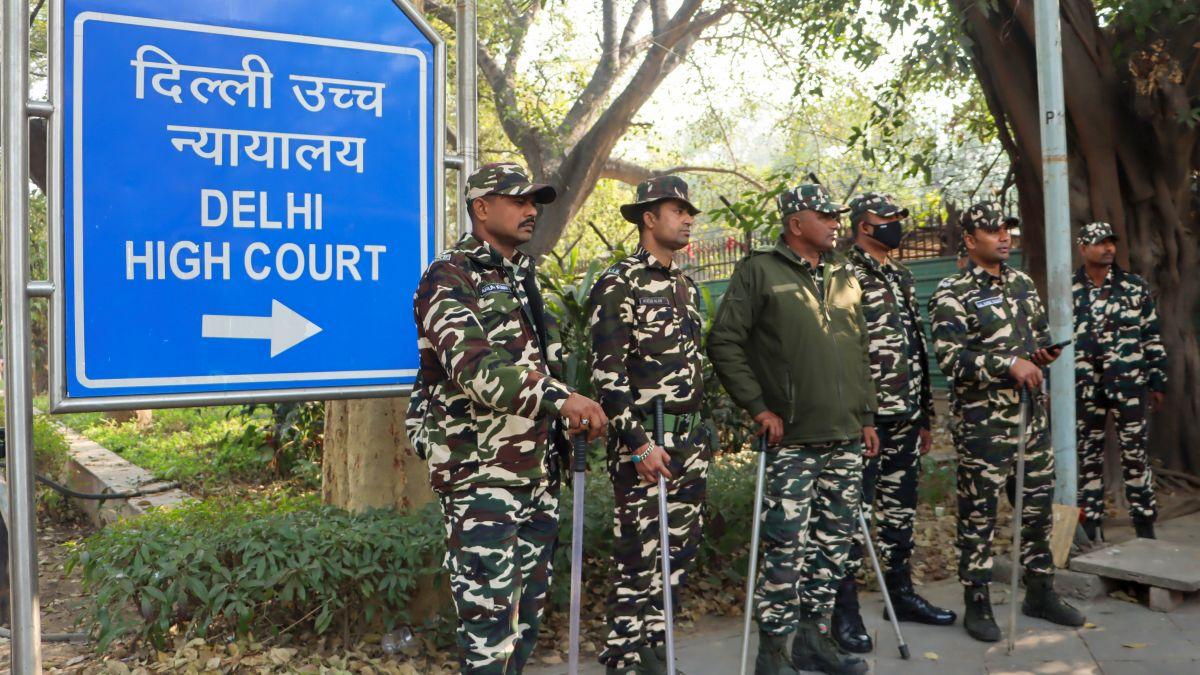
Delhi's university student elections face a possible court shutdown. The Delhi High Court warned on September 17 that it could halt vote counting and delay results if authorities fail to control campus violence. Voting happens today with counting set for tomorrow, but the court has demanded proof of action against alleged campaign attacks, vandalism, and outsider entry Delhi High Court.
Twenty candidates are running for four top student union posts across the university. The court also banned all victory processions after results and ordered both Delhi University and police to file reports by Friday Delhi High Court. A lawyer alleged that campaign violence has spiraled into what the court called a transition to a 'criminal society,' with teachers assaulted and campus hijacked.
Campus Clashes Mark Chaotic Campaign Week
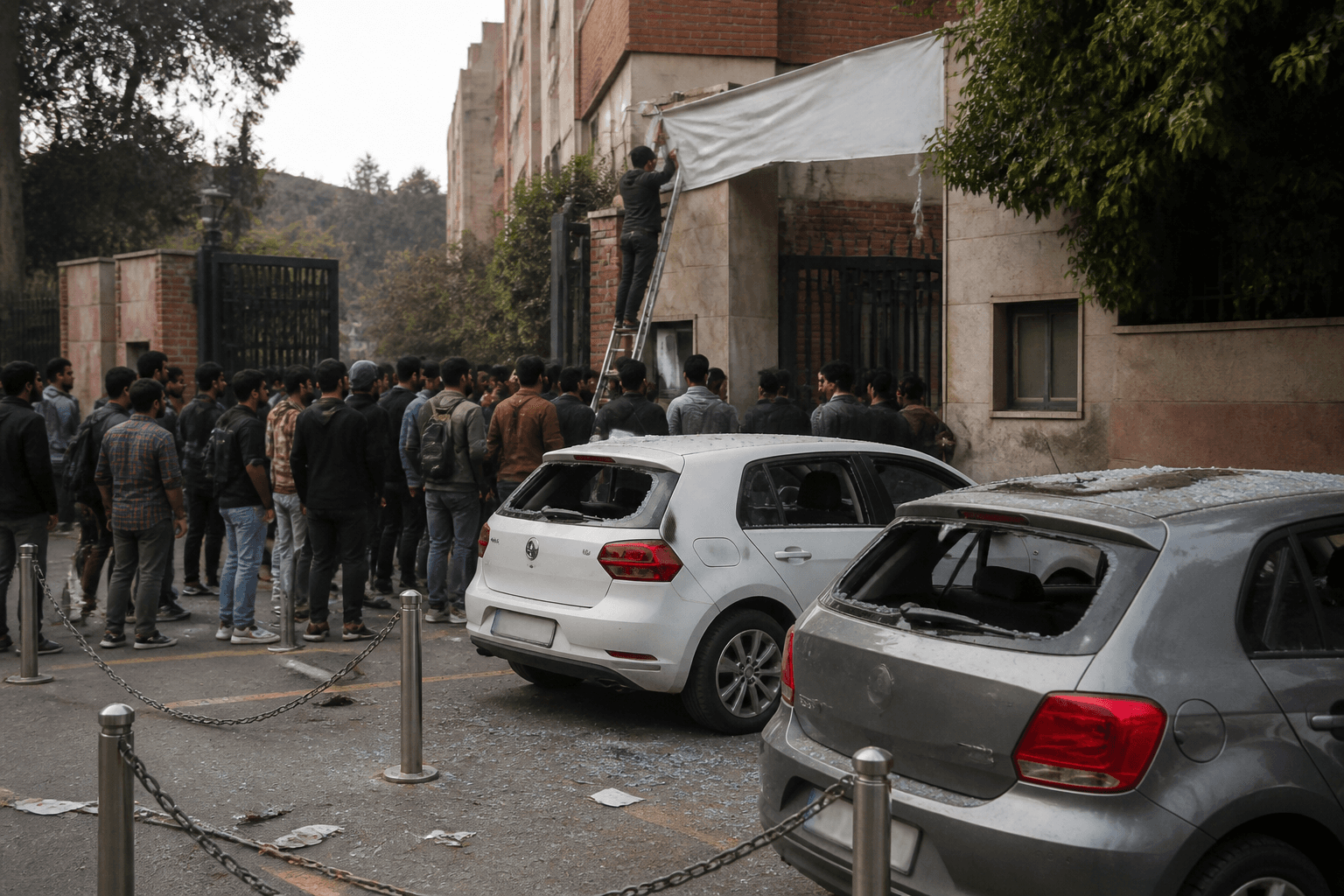
Violence erupted across three major campuses on September 16, the final day of campaigning. Fights broke out at Law Centre-I, Sri Aurobindo College, and Motilal Nehru College (Evening). At Motilal Nehru, a teacher was allegedly assaulted by students attempting to enter for unauthorized campaigning. Faculty members protested the attack, threatening to boycott election duties entirely Verdictum.
The clashes centered around outsiders entering campus without permission and muscle-power tactics. Rival student groups blamed each other: ABVP said three members were injured including head injuries and fractures. NSUI alleged ABVP workers attacked one of their members outside Law Centre-I Verdictum.
High Court Warns It Can Block Election Results
Chief Justice Devendra Kumar Upadhyaya and Justice Tejas Karia declared the violence 'unacceptable at any cost.' They told authorities: 'If you are unable to control the situation, we know how to get it done.' The bench said student elections have turned into chaos ruled by money and weapons, not democracy Verdictum.
The court ordered Delhi University Vice-Chancellor P.C. Joshi and police to explain their response by Friday. If satisfied, vote counting proceeds September 19. If not, the court can halt counting and delay results indefinitely. The bench also issued notices to all 140 candidates warning of potential financial penalties to repair campus vandalism Verdictum.
Student Wing Members Can Run, But Parties Cannot Interfere
The High Court clarified that simply being a member of a political party's student wing does not disqualify a candidate. However, the ruling emphasized that political parties themselves—whether RSS-linked ABVP, Congress-linked NSUI, or others—remain banned from directly running student elections Verdictum.
The decision follows longstanding Lyngdoh Committee rules that prohibit party interference in campus polls. Delhi University must ensure that political operatives stay off campus during voting. Voting split into two shifts today: day-college students vote 8:30 a.m. to 1 p.m., evening students 3 p.m. to 7:30 p.m. The court has banned all victory processions after results Rediff
Lawyer Calls September 16 the 'Blackest Day' in Union History
Advocate Prashant Manchanda filed the urgent application that triggered court action. He called September 16 the darkest moment in DUSU history, alleging that guns, outsiders, and organized muscle power hijacked the campus. He highlighted earlier court orders that were allegedly ignored by both university and police Verdictum.
Manchanda's case, pending since 2017, documented systematic failures: candidates violating spending caps, defacement rules ignored, and bona fide student requirements unenforced. The court agreed, criticizing university authorities for allowing outsiders entry and failing basic security. In 2024, the High Court previously halted counting for weeks until defacement was cleaned Verdictum.
Sentiment
Mostly NegativeNEGATIVENEUTRALPOSITIVE
Publishers
57
Articles
77
Reach
134
A
AnonymousAuthor