DUSU Elections Underway
Delhi University student union elections begin under heavy security and strict court warnings.
Anonymous
Key Points
1
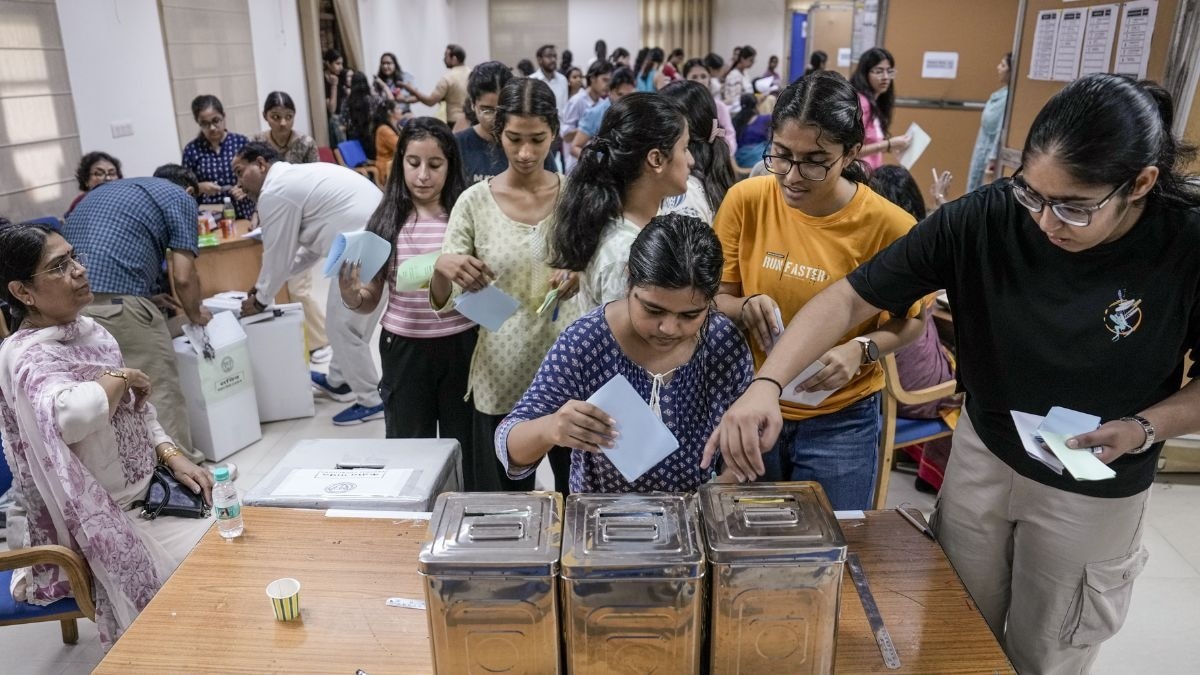
A total of 1,51,842 students are eligible to vote, with 158 polling booths established across the university. NDTV reported that the election is using 830 ballot units and 281 control units, totaling more than 1,100 EVMs.
2
ABVP has nominated Yash Dabas for president, Ishu Maurya for vice-president, Riya Chhawadi for secretary and Lakshya Raj Singh for joint secretary. The party is contesting all four central posts under ballot number 7-3-3-3 and has campaigned on infrastructure, education, women’s safety and accountability.
3
The campaign has focused partly on student welfare, hostel accommodation and campus safety after a five-storey PG building collapsed in Satya Niketan earlier in September, killing seven people, including students.
4
The university’s traffic advisory specifically restricts vehicular movement on Chhatra Marg, Probyn Road and University Road; the restrictions remain in effect on both polling and counting days until the results are declared.
5
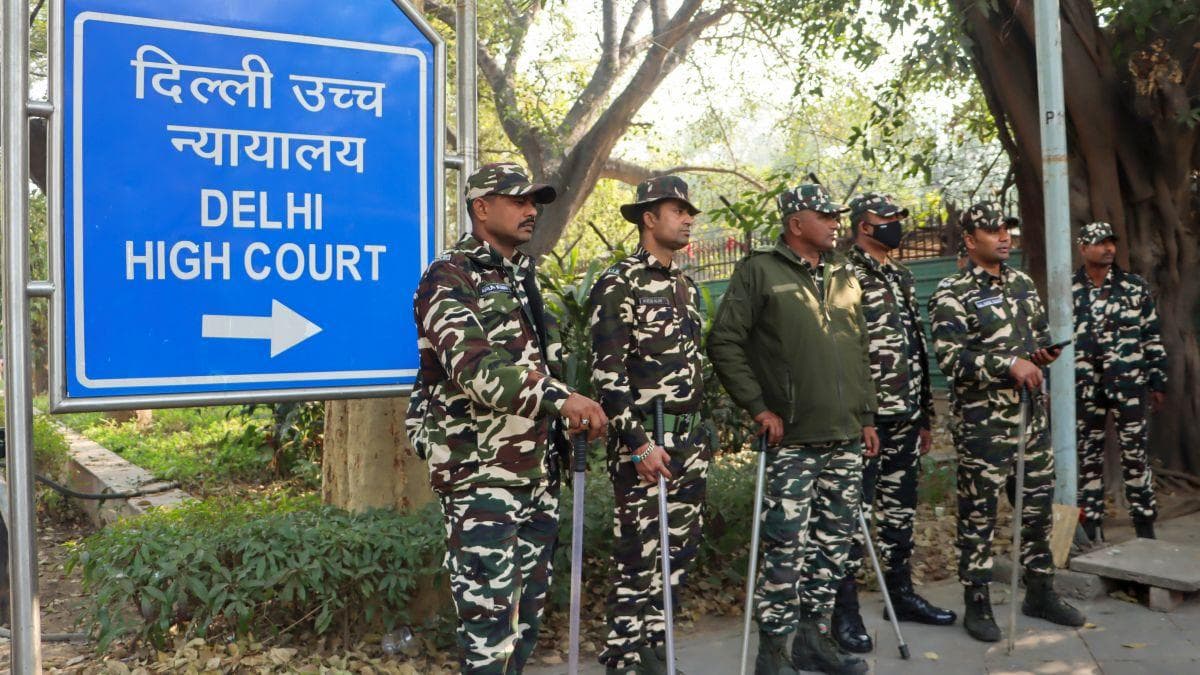
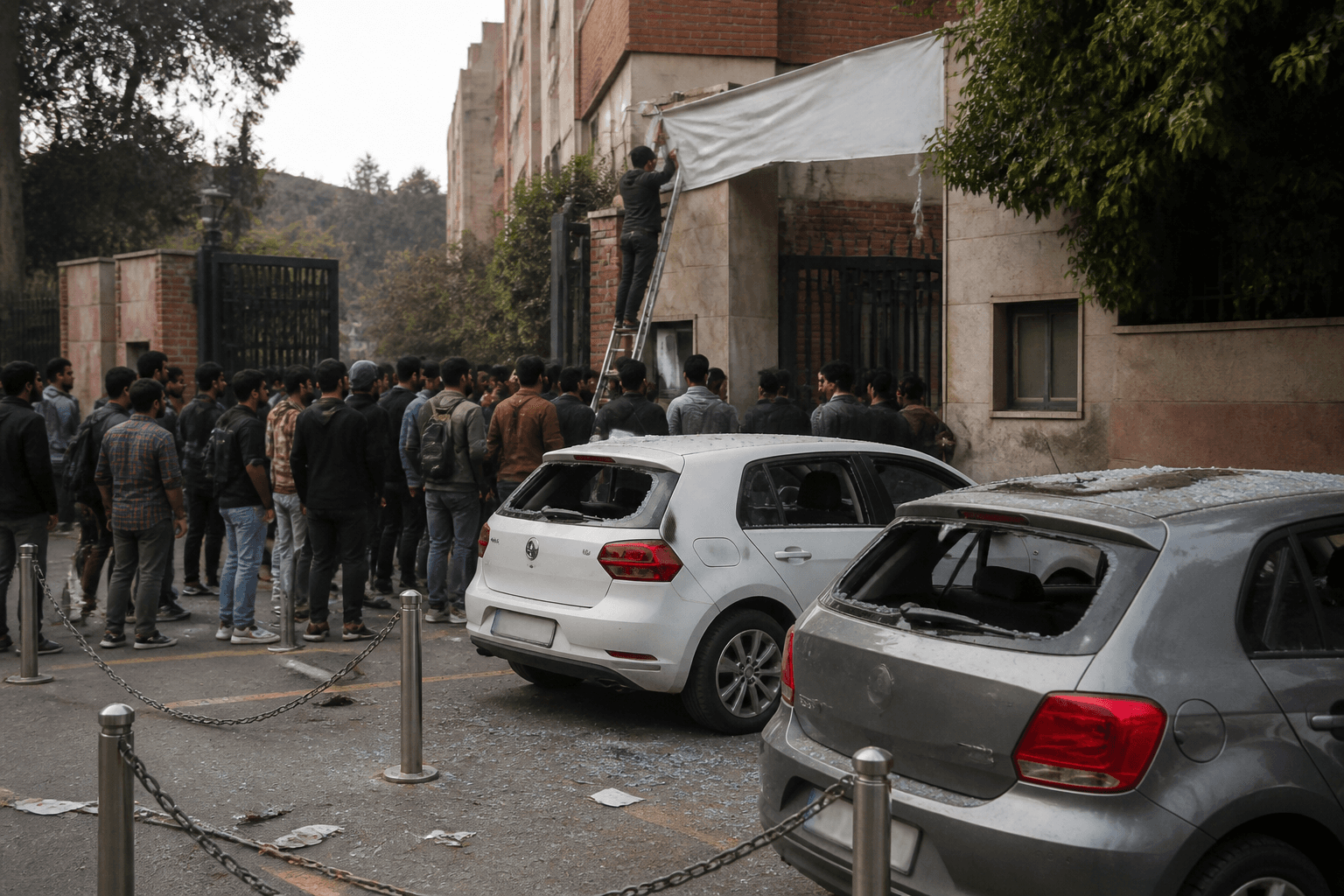
The Delhi High Court issued an especially stark warning over alleged violence, telling the university: “We will abandon the elections” if it could not control the situation. The court also referred to students allegedly assaulting teachers and brandishing guns, and demanded that university officials take responsibility for campus safety.
Delhi University held its 2026 student union elections on September 18, with voting split across morning and evening shifts to accommodate the university's 1,51,842 eligible voters. India Today reported that roughly 40 percent of students cast ballots across 158 polling booths, while authorities deployed over 2,000 police and paramilitary personnel to prevent violence and enforce strict campaign rules after the Delhi High Court threatened to scrap the elections entirely.
The vote comes weeks after a five-story paying guest building in Satya Niketan collapsed in early September, killing seven people including five DU students. This tragedy pushed campus housing safety into the center of campaign debates, with candidates pledging new hostels, fire audits, and stricter building codes to address the university's chronic shortage of on-campus accommodation.
ABVP Leads Four-Way Race for Central Posts
The Akhil Bharatiya Vidyarthi Parishad (ABVP) fielded candidates for all four central posts: Yash Dabas for president, Ishu Maurya for vice-president, Riya Chhawadi for secretary, and Lakshya Raj Singh for joint secretary. Press Trust of India reported that ABVP's campaign focused on infrastructure, education, women's safety, and accountability. The party won three central posts in 2025 and entered 2026 as the frontrunner.
The National Students' Union of India (NSUI) and the AISA-SFI left alliance split the opposition. India Today stated that internal dissent within NSUI produced independent candidates linked to the Congress-affiliated group. Twenty candidates total contested the four central posts, with the left alliance framing the election around negligence by authorities and demanding state rent subsidies.
Delhi High Court Issues Sharp Warning Over Campaign Violence
The Delhi High Court pulled up university officials on September 17, two days before polling. The bench—Chief Justice Devendra Kumar Upadhyaya and Justice Tejas Karia—rebuked both students and police for widespread vandalism, physical violence, and unauthorized rallies. Bar and Bench reported that judges told officials: "We will abandon the elections" if the university could not control the situation and guarantee campus safety.
The court also cited troubling allegations: students allegedly assaulting teachers, brandishing firearms, and intimidating voters. NDTV reported that the High Court issued an emergency order on polling day banning all victory processions and student rallies after results, and issued show-cause notices to 140 candidates for violations. Judges demanded that university officials take direct responsibility for campus order.
1,000 Machines and 2,000 Officers Secure the Vote
Authorities deployed unprecedented security infrastructure to prevent fraud and violence. Press Trust of India reported that the university deployed 1,000 electronic voting machines across 158 polling booths—830 ballot units plus 281 control units. More than 2,000 police and paramilitary personnel were stationed across North Campus, with drones, CCTV feeds, and 12 control rooms monitoring voting in real time.
Voting ran from 8:30 a.m. to 1 p.m. for morning classes and 3 p.m. to 7:30 p.m. for evening classes on September 18. India Today noted that sealed voting machines were transported under police protection to the Multipurpose Hall at the University Sports Stadium for counting on September 19. Traffic restrictions barred vehicles from Chhatra Marg, Probyn Road, and University Road on both polling and counting days.
Housing Crisis Becomes Core Campaign Issue
The Satya Niketan collapse shifted election rhetoric away from ideology toward concrete demands for safe student housing. The Indian Express reported that Delhi University currently houses fewer than 5 percent of its total student body across roughly 20 official hostels—far below the University Grants Commission's 60 percent target. Students told Press Trust of India that reopening and expanding university housing remains urgent because private paying guest rents near campus are increasingly predatory.
ABVP pledged dedicated girls' hostels in every college, a housing helpline, and mandatory fire audits. The left alliance blamed administrative negligence and demanded strict rent controls under the Delhi Rent Control Act. ThePrint reported that both camps acknowledged the tragedy as a turning point: voters now prioritize practical safety measures over campaign slogans about nationalism or ideology.
Sentiment
Mostly NegativeNEGATIVENEUTRALPOSITIVE
Publishers
34
Articles
20
Reach
54
A
AnonymousAuthor