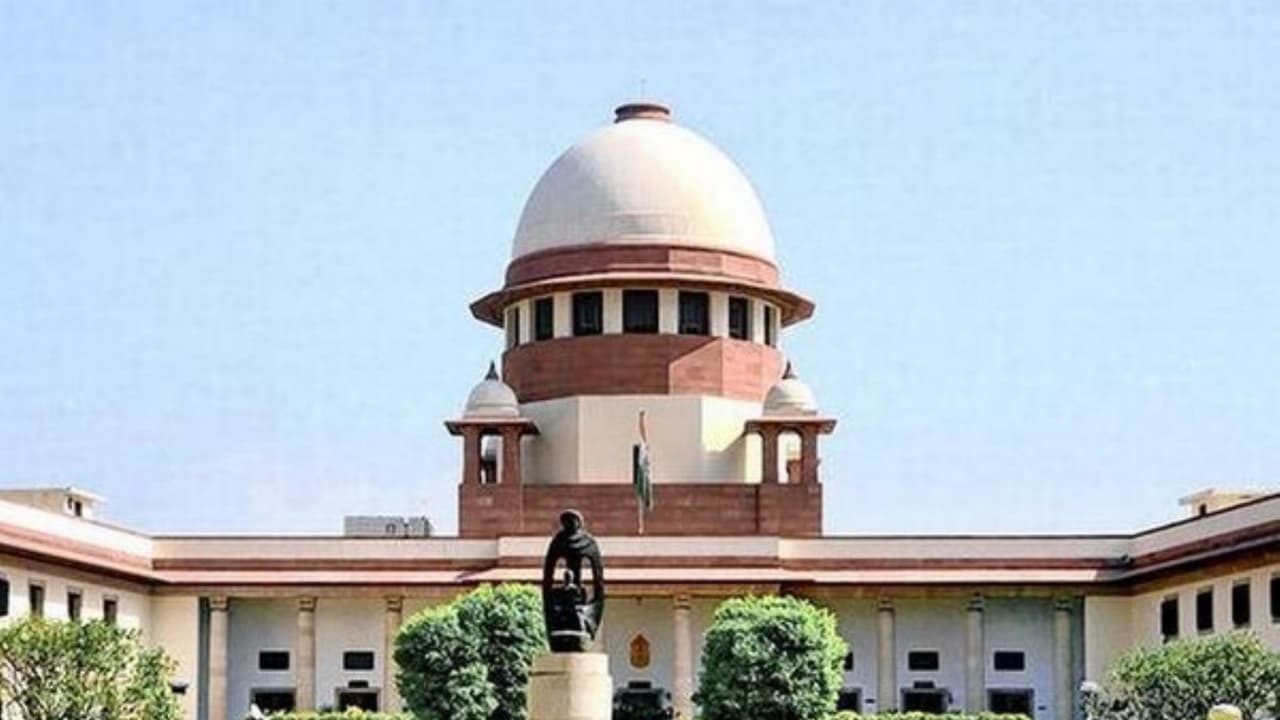
Delhi High Court Quashes Seven Patanjali Tax Orders
Delhi High Court Quashes Seven Patanjali Tax Orders
Anonymous
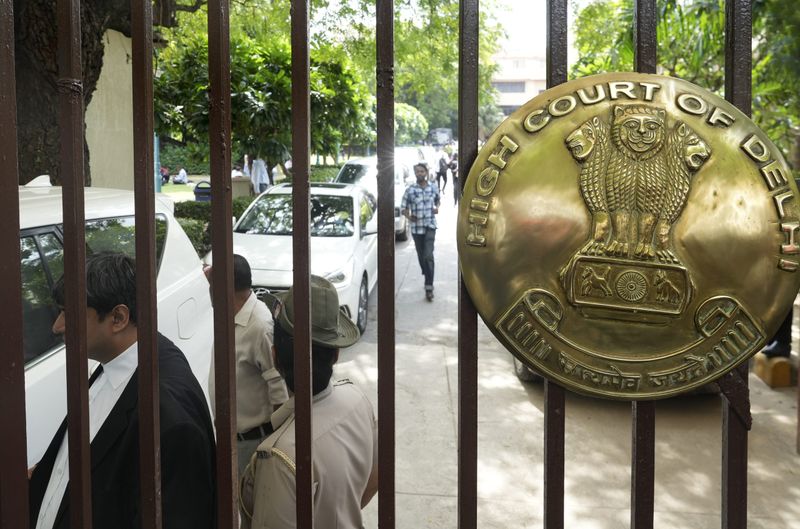
Key Points
1
The case involved appeals filed by the Principal Commissioner of Income Tax, Central-1, Delhi, and arose from proceedings under Section 153C of the Income Tax Act for assessment years 2013-14 to 2015-16 and 2017-18.
2
The High Court bench comprised Justices Dinesh Mehta and Rajneesh Kumar Gupta, who emphasized that the ITAT occupies the highest level of the appellate fact-finding structure.
3
The court said the ITAT’s staff also failed to alert the Tribunal members to the discrepancy before the order was signed, intensifying the court’s criticism of the process.
4
The judgment described the order as “bereft of any logic, reasoning or rationale” and said the court was unable to comprehend it, rather than merely objecting to its short length.
5
The High Court’s order was issued on September 10, while reports on September 15 described the decision as quashing the seven ITAT orders.
The Delhi High Court struck down seven tax orders involving Patanjali Ayurved on September 10, criticizing the Income Tax Appellate Tribunal for procedural failures and "undue haste." The Wire reported that the court found the ITAT's seven-paragraph order "bereft of any logic, reasoning or rationale" and ordered the appeals reheard by a different tribunal bench.
A Tribunal Order Too Rushed to Explain Itself
The ITAT disposed of all seven appeals in a single order containing fewer than seven paragraphs, failing to address the parties' arguments or explain the legal issues at stake. The Wire noted that four appeals were recorded as heard and pronounced on August 6, 2025, while three others were listed for August 13, 2025—yet all received a single ruling.
Justices Dinesh Mehta and Rajneesh Kumar Gupta emphasized that the ITAT occupies the highest appellate fact-finding position in India's tax system. The court emphasized the order's lack of comprehensibility, stating it could not understand the reasoning rather than merely objecting to its brevity.
Internal Failure: Staff Never Flagged the Date Mismatch
Court staff failed to alert tribunal members to a glaring discrepancy before the order was signed. The fact that appeals supposedly decided on two different dates appeared in the same ruling suggested either procedural chaos or inattention. The High Court intensified its criticism by pointing out this administrative failure.
Assessment Years 2013-14 Through 2017-18 Return to Square One
The appeals arose from Section 153C proceedings—special reassessment actions—covering assessment years 2013-14, 2014-15, 2015-16, and 2017-18. The Principal Commissioner of Income Tax, Central-1, Delhi, filed the appeals challenging the original assessments. The High Court sent all matters back for fresh consideration before a new ITAT bench.
Judgment Escalated to Senior Judicial and Tax Officials
The Delhi High Court forwarded its judgment to senior judicial officials and government agencies responsible for tax administration. The move signals serious concern about tribunal conduct at India's appellate tax level. The court did not rule on the underlying tax dispute itself, focusing entirely on whether the ITAT followed proper process.
Sentiment
Mostly NegativeNEGATIVENEUTRALPOSITIVE
Publishers
18
Articles
15
Reach
33
A
AnonymousAuthor