HAL Hands Over Three Indigenous Aircraft
HAL Hands Over Three Indigenous Aircraft
Anonymous
Key Points
1
The handover is scheduled for 18 September 2026 in Bengaluru and is expected to be attended by Defence Minister Rajnath Singh, Civil Aviation Minister K. Rammohan Naidu and Chief of the Air Staff Air Chief Marshal A.P. Singh.
2
Honeywell delivered the first batch of HTT-40 engines in June 2026 under a contract worth more than $100 million for 88 TPE331-12B engines; 16 are being supplied directly and the remainder through technology transfer.
3
HTT-40 indigenous content is about 56% currently and is expected to exceed 60%, providing an additional measure of the programme’s localisation beyond its domestic assembly and production capacity.
4
The Dhruv NG has received type certification from India’s Directorate General of Civil Aviation, and its induction marks HAL’s return to the civil helicopter market after a focus largely on military variants.
5
The civil Dhruv NG includes wheeled landing gear, a new glass cockpit and improved vibration control, features intended to support its wider commercial and passenger-service roles.
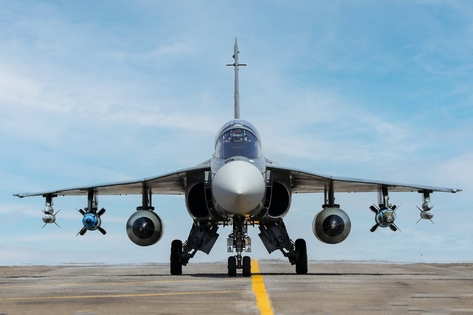
India is taking a major step toward building its own military aircraft. GKToday reports that Hindustan Aeronautics Limited (HAL) will hand over three domestic aircraft on September 18, 2026, in Bengaluru: three HTT-40 basic trainers, an LCA Tejas trainer jet, and Dhruv NG helicopters. The ceremony will be attended by Defence Minister Rajnath Singh and other top officials. These deliveries mark India's push to replace foreign aircraft and build more of its own aviation technology at home.
The HTT-40 is India's first domestically built basic trainer aircraft. ABP Live explains it will replace the Swiss-made Pilatus PC-7 MkII and features a digital cockpit, aerobatic capability, and zero-zero ejection seats. HAL signed a ₹6,838-crore deal in 2023 to build 70 HTT-40s. Engine delays from Honeywell held up production, but supplies arriving in 2026 now allow HAL to make as many as 20 aircraft per year across two production lines.
Engine Bottleneck Finally Cleared After Years of Delays
The HTT-40 programme hit a major snag: Honeywell engines. The US company did not deliver engines fast enough to keep production moving. ABP Live reports that Honeywell finally shipped the first batch of HTT-40 engines in June 2026 under a contract worth more than $100 million. The deal covers 88 TPE331-12B engines—16 supplied directly and the rest through technology transfer to HAL.
This supply breakthrough unblocks years of delays. HAL can now ramp up production to 20 aircraft annually, making the September 2026 handover possible. The combination of Honeywell engines and HAL's manufacturing lines marks a turning point for India's trainer aircraft programme.
HTT-40 Reaches Over Half Indigenous Content
The HTT-40 is becoming increasingly Indian. GKToday notes that indigenous content now sits at about 56 percent and is expected to exceed 60 percent. This measure shows how much of the aircraft is made or assembled in India rather than imported. Higher indigenous content means less reliance on foreign suppliers and more jobs and technology staying at home.
Reaching 60 percent indigenous content is a major milestone for HAL. It demonstrates that India can design, build, and integrate complex aircraft systems without fully depending on overseas suppliers. As localization grows, the programme supports India's defence manufacturing base.
Dhruv NG Marks HAL's Return to Civil Helicopter Market
Beyond military trainers, HAL is re-entering the civil helicopter business. Asianet News reports that HAL will hand over Dhruv NG helicopters to Pawan Hans Limited, a civil operator. The Dhruv NG has received type certification from India's Directorate General of Civil Aviation, clearing it for commercial use. The helicopter features wheeled landing gear, a new glass cockpit, and improved vibration control.
These improvements open the door to wider roles. The Dhruv NG will support offshore operations, air ambulances, passenger transport, and helicopter pilgrimages. After years focused on military variants, HAL is building aircraft for India's growing civilian aviation market and expanding its commercial footprint.
India's Broader Effort to Make Its Own Aircraft
These three handovers fit into a bigger picture: India wants to cut aerospace imports and build more advanced aircraft at home. Swarajya notes that the ceremony will showcase HAL's role in reducing India's dependence on foreign defence suppliers. The HTT-40 replaces Swiss trainers. The Tejas fills a gap with indigenous fighter jets. The Dhruv NG opens civilian markets to Indian helicopters.
September 18, 2026, marks a symbolic moment. Three different aircraft types—trainer, fighter, and helicopter—underline India's ambition to become self-sufficient in aviation. Defence Minister Singh and other officials attending the ceremony will highlight the government's commitment to 'Make in India' and indigenous defence technology.
Sentiment
Mostly PositiveNEGATIVENEUTRALPOSITIVE
Publishers
16
Articles
27
Reach
43
Topics
A
AnonymousAuthor