Autumn Foliage Arrival
Vibrant fall foliage spreads across North America as cool weather arrives
Anonymous
Key Points
1
Minnesota’s first cool front brought weekend highs into the 60s and overnight lows into the 50s in the Twin Cities area and the 40s in northern Minnesota, potentially jump-starting the color change.
2
Minnesota has 43 species of deciduous trees that change color. State parks official Lauren Peck said cool nights and abundant daytime sun signal trees to stop producing leaves and begin shedding them.
3
AccuWeather meteorologist Chad Merrill said Minnesota could have some of the best fall-color viewing in the nation this year, calling the state “in the sweet spot.”
4
Elgin County’s Clovermead Adventure Farm and Honey Shop is scheduled to hold its Pumpkin Festival from Sept. 19 through Oct. 31, with wagon rides, farm animals and a corn maze.
5
Great Lakes Farms in Elgin County offers apple picking across numerous varieties, along with a bakery selling apple pies and crumble and cider available on its patio; nearby Skye Chase Estate Winery specializes in cool-climate wines such as rieslings, sauvignon blancs and cabernets.
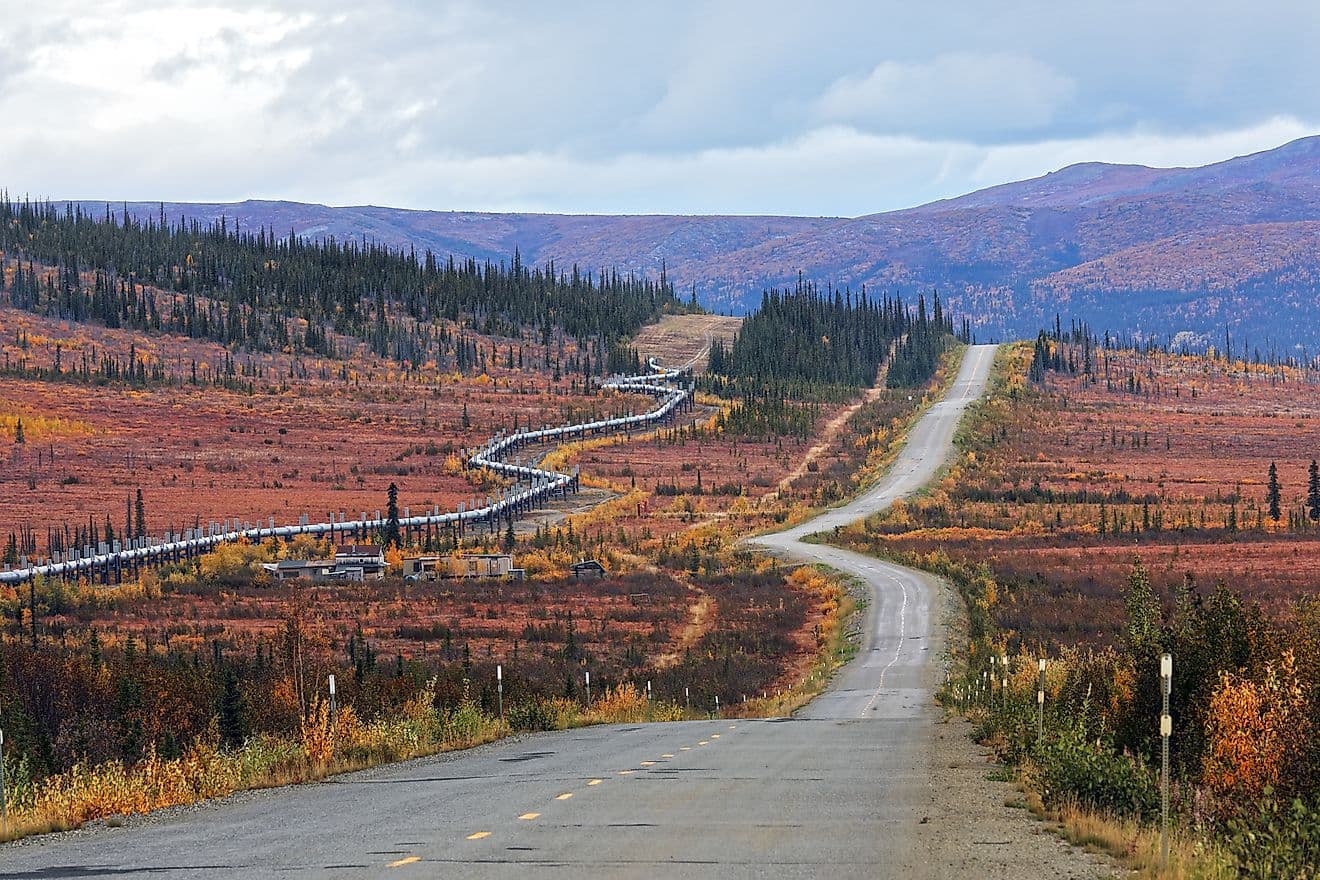
Fall colors are beginning to spread across North America as cooler temperatures arrive. AccuWeather reports that Minnesota could see some of the best fall-color viewing in the nation this year. Early reds, oranges and yellows are already appearing near Nunavut's Coppermine River and in northern Minnesota, with peak viewing expected in September and early October in the Northland.
Weather will determine whether colors are vibrant or muted. Drought and heat could make leaves drop early or appear dull in some areas. But abundant sunshine and summer moisture in other regions could produce exceptionally brilliant displays. Minnesota DNR officials say cool nights and sunny days signal trees to stop producing leaves and begin shedding them.
Minnesota's Sweet Spot for Peak Color Season
Minnesota's first cool front brought weekend highs into the 60s and lows in the 40s and 50s. Minnesota DNR's Fall Color Finder map shows trees in southeastern Minnesota should start changing this weekend. The state has 43 species of deciduous trees that change color. Peak viewing arrives in mid-October for southeastern Minnesota and northern Iowa, while the Northland reaches its peak in September and early October.
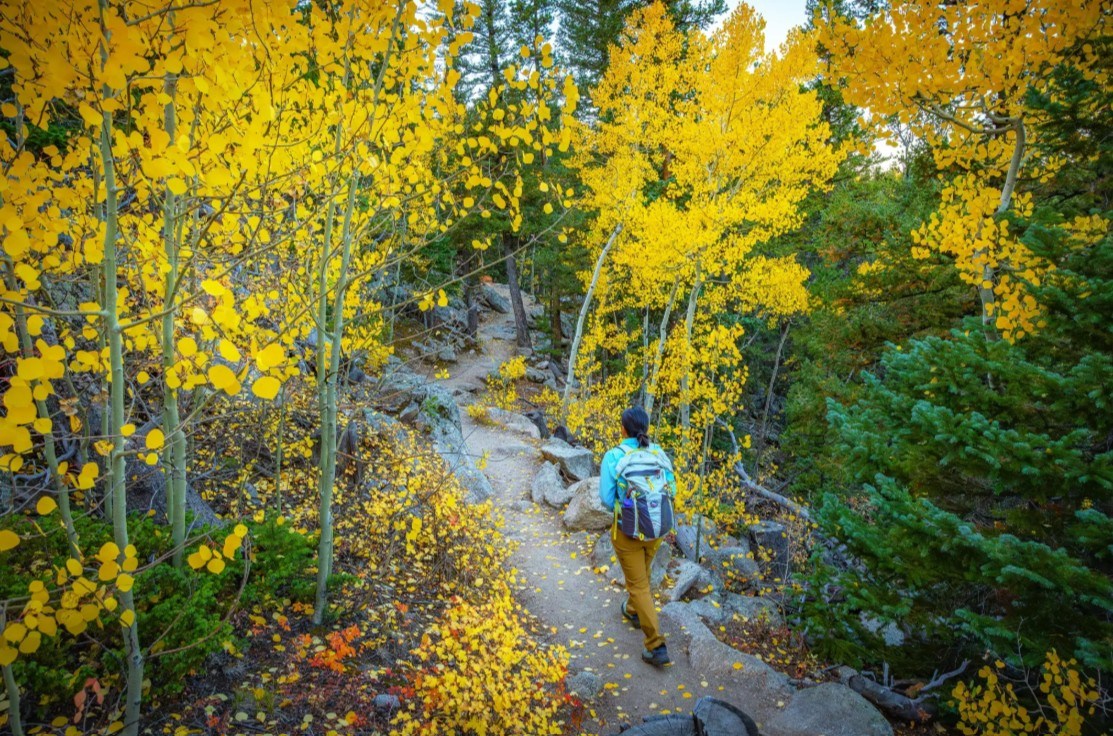
AccuWeather meteorologist Chad Merrill said Minnesota is "in the sweet spot" for exceptional fall colors this year. Cool nights and abundant daytime sun tell trees to stop growing leaves and begin shedding them, revealing the vibrant reds, oranges and yellows underneath. Wildfire damage and drought in northeastern and central Minnesota may reduce color quality in those areas.
Upper Peninsula and National Parks Peak in Mid-October
Michigan's Upper Peninsula expects peak fall colors from October 3 through 18. Shorter days reveal yellow and gold pigments hidden during summer. Cool nights combined with warm sunny days and adequate moisture intensify red hues in tree leaves. Major national parks including Acadia and Shenandoah generally peak in early to mid-October as temperatures drop across the eastern half of the continent.
Harvest Festivals and Agritourism Draw Visitors
Ontario's Elgin County is capitalizing on fall foliage with harvest-season attractions. Clovermead Adventure Farm and Honey Shop holds its Pumpkin Festival from September 19 through October 31, featuring wagon rides, farm animals and a corn maze. Great Lakes Farms offers apple picking across numerous varieties plus a bakery selling apple pies and cider. Skye Chase Estate Winery specializes in cool-climate wines including rieslings, sauvignon blancs and cabernets.
Nunavut's Brief and Distant Color Display
Northern regions like Nunavut are seeing early fall colors near the Coppermine River. However, peak displays in the Arctic may last only about one week. The far north's compressed fall season means color viewers must act quickly to catch the reds, oranges and yellows before winter arrives. Cooler fall weather is also reaching northern Utah, signaling the start of peak viewing season in that region.
Sentiment
Mostly PositiveNEGATIVENEUTRALPOSITIVE
Publishers
17
Articles
5
Reach
22
A
AnonymousAuthor