Altered Fall Foliage
Drought and Warm Temperatures Alter Fall Foliage Timelines Across the US
Anonymous
Key Points
1
Vermont forester Josh Halman said last year’s extreme drought scorched more than 64,000 acres, but this year’s damage is nowhere near that level. His monitoring project has also found that Vermont sugar maples’ growing season has lengthened by 21 days since 1991, offering evidence of long-term climate effects on forests.
2
Michigan’s southeast region experienced its 20th-warmest summer on record and ranked among the 30% driest summers, conditions that arborist Luke Brunner said are already producing brown, crispy leaves and bare smaller trees. Detroit’s colors are expected to begin peaking around Oct. 5.
3
The strongest fall colors generally follow a wet growing season and then a dry autumn with sunny days and cool, frost-free nights. In the western Carolinas, however, rainfall was uneven: areas near Asheville and the Black Mountains received adequate moisture, while the Upstate and western mountains remained drier; only four to six days of rain were forecast for the latter half of September.
4
In North Carolina, tree species may respond differently to drought: maples are more likely to retain stress tolerance and produce some vivid color, while tulip poplars and other yellow-leafed species may shed leaves earlier. Greg Paige of JC Raulston Arboretum said trees receiving supplemental water have a better chance of a colorful display.
Drought and warm temperatures are scrambling fall foliage across the eastern and central United States this year, creating uneven colors, earlier leaf drop, and duller displays in many regions. AccuWeather forecasts most areas will peak between late September and mid-October, but drought-stressed zones face abbreviated seasons and muted hues, while better-watered forests may still deliver vibrant reds and golds.
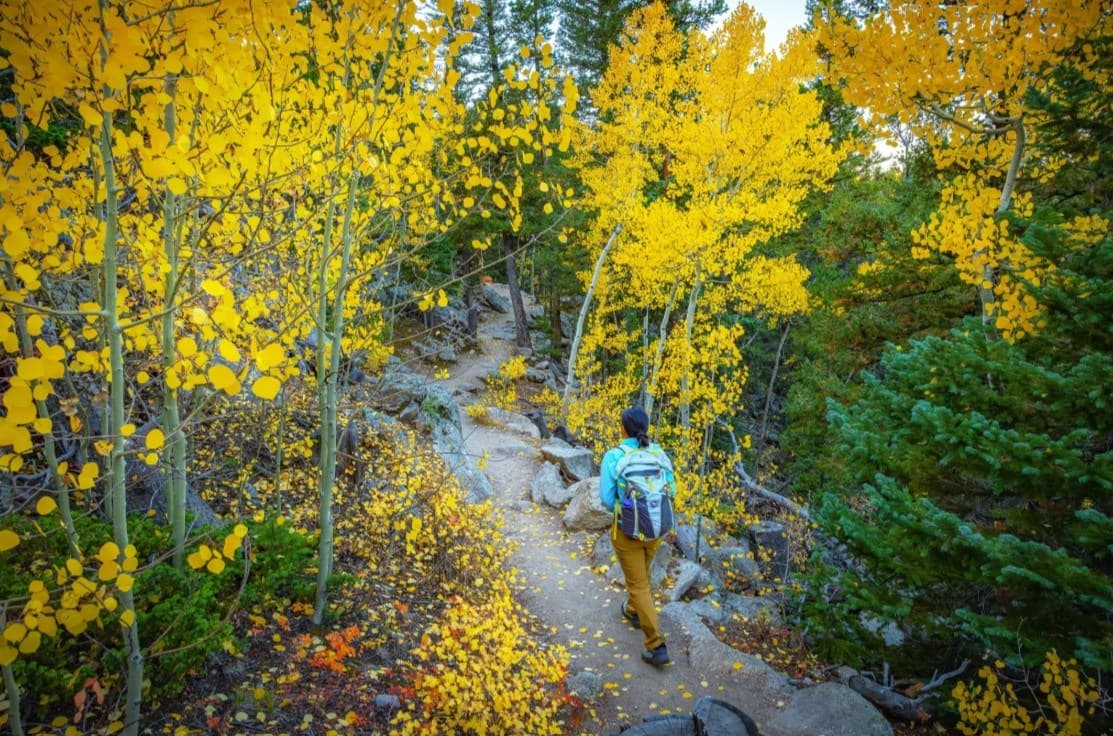
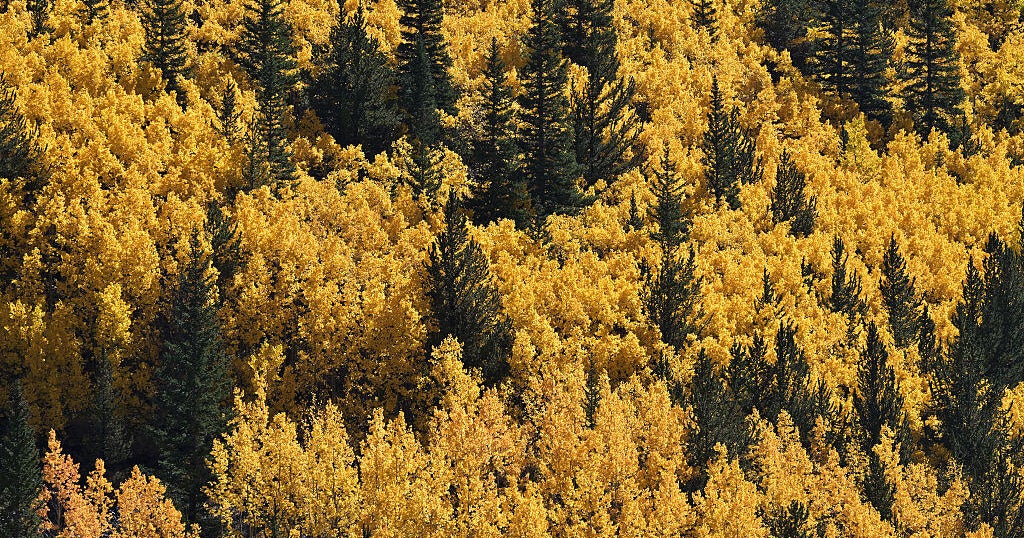
In Colorado, dry conditions are accelerating aspen color changes so rapidly that Colorado officials warn leaf-peepers to visit sooner rather than later to catch peak colors. Vermont's forests have largely recovered from last year's devastating drought, yet a 21-day lengthening of the growing season since 1991 signals long-term climate shifts reshaping when trees change.
Missouri and Michigan Brace for Uneven Autumn Color
Missouri will see sharp regional divides this fall. Central and northern areas could display favorable color around mid-October, but southern zones ravaged by drought face muted colors, abbreviated seasons, or early leaf drop. Cincinnati Dispatch reports that Michigan's southeast region suffered its 20th-warmest summer on record while ranking among the driest 30%. Arborist Luke Brunner said smaller trees are already bare, with brown, crispy leaves appearing early. Detroit's peak colors are expected around October 5.
Colorado Aspens Turn Fast as Heat Intensifies
Colorado's drought and heat are speeding up fall color changes dramatically. Foresters recommend viewing aspens now rather than waiting, since dry, warm conditions are accelerating both color shifts and leaf loss. Cottonwoods growing near waterways, with better access to moisture, may still produce strong displays. CBS News reports that early leaf changes are already backing up traffic on I-70 and Highway 285, two of the state's most popular leaf-peeping routes.
Vermont's Recovery Masks Longer-Term Climate Shift
Vermont's forests have largely bounced back from last year's extreme drought, which scorched over 64,000 acres, according to forester Josh Halman. However, Halman's monitoring project reveals a troubling trend: sugar maples' growing season has lengthened by 21 days since 1991. This shift reflects long-term warming that is fundamentally changing when and how trees enter fall senescence, suggesting future foliage seasons will differ significantly from the past.
Carolinas Face Patchy Colors, Better Displays in Mountains
The Carolinas are bracing for uneven results. Uneven rainfall, worsening drought, and above-normal temperatures could trigger early leaf drop and muted colors across much of the region. However, better-watered areas—especially the North Carolina and western Carolina mountains near Asheville and the Black Mountains—may still deliver good displays. Greg Paige of JC Raulston Arboretum noted that maples are more stress-tolerant and may hold vivid color, while tulip poplars and other yellow-leafed species may shed leaves early. Trees with supplemental water have a better shot at colorful foliage. Visitors should stay on marked trails, park in designated areas, and avoid damaging vegetation.
Sentiment
Mostly NegativeNEGATIVENEUTRALPOSITIVE
Publishers
20
Articles
16
Reach
36
A
AnonymousAuthor