Florida Dengue Alert
Orange County Issues Mosquito Alert After New Dengue Fever Cases
Anonymous
Key Points
1
Aedes aegypti mosquitoes typically remain close to where they emerge, flying no more than about 200 yards, and commonly breed in small containers such as flowerpots and buckets. Orange County Mosquito Control manager Steve Harrison said residents finding larvae in a container likely have adult mosquitoes on the same property.
2
Only two Florida mosquito species are known to transmit dengue—Aedes aegypti and Aedes albopictus. The dark-bodied mosquitoes with white-striped legs are most active shortly after sunrise and before sunset and can also transmit Zika, yellow fever and chikungunya.
3
Dengue symptoms generally begin four to 10 days after a bite, and some infections can progress to dengue hemorrhagic fever or dengue shock syndrome, causing blood-vessel leakage, internal bleeding, organ failure or death.
4
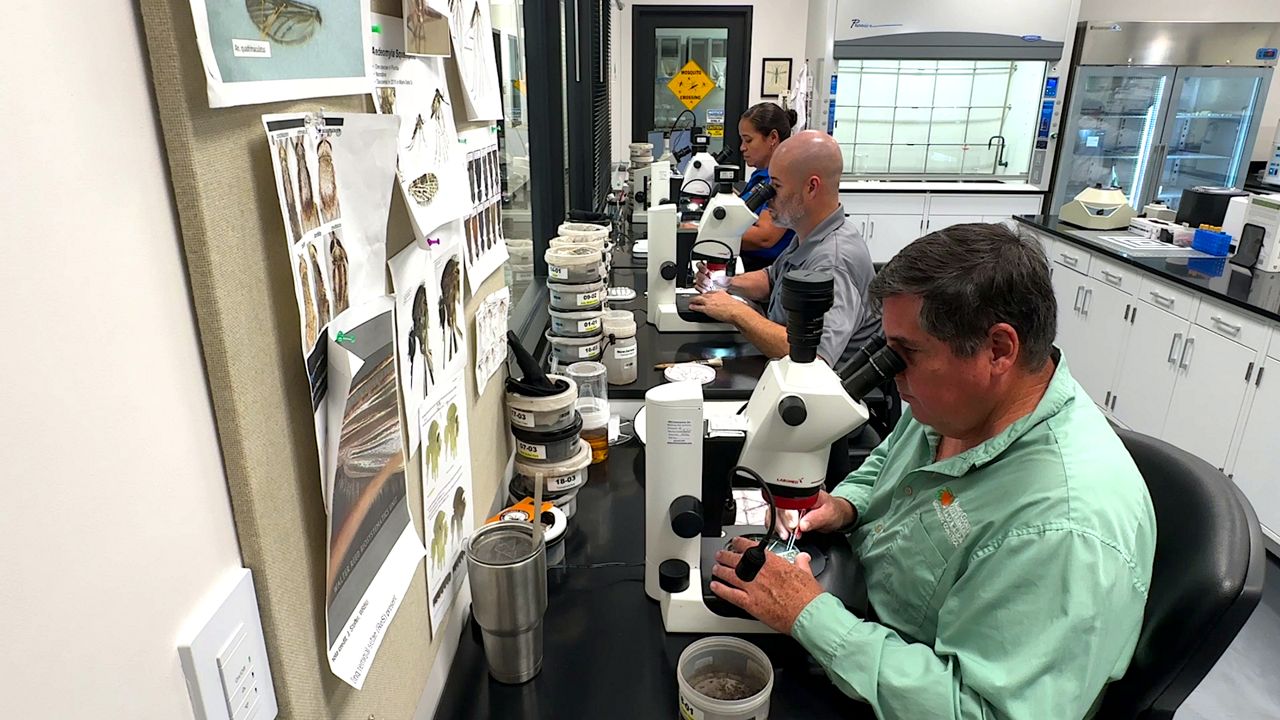
Orange County’s new mosquito-testing system replaces outside laboratory testing that could take days to a week; officials said PCR results can now be available the same afternoon mosquitoes are collected and processed.
5
Hillsborough County officials said infected people can act as reservoirs by being bitten again and passing the virus to mosquitoes. Senior environmental scientist Paolo Pecora urged infected residents to stay home, seek medical care and contact the county so officials can investigate and treat their yards for free.
Orange County, Florida has confirmed two additional locally acquired dengue cases in Apopka, bringing the county's total to three, according to mynews13. The Florida Department of Health responded by issuing a mosquito-borne illness alert and expanding surveillance and control efforts. Florida overall is facing one of its worst dengue surges in decades, with gulfcoastnewsnow reporting 152 cases this year and the state's first dengue-related death confirmed in Hillsborough County.
Hillsborough County Drives Florida's Outbreak
Hillsborough County remains the state's hotspot for dengue transmission, with nearly 100 locally acquired cases — far more than Orange County's three. outbreaknewstoday reported that infected residents can become reservoirs for the virus. When mosquitoes bite them again, those mosquitoes spread dengue to others.
Hillsborough County officials are asking infected residents to stay home and notify authorities immediately. Senior environmental scientist Paolo Pecora urged people to seek medical care and contact the county so officials can investigate and treat yards for free, outbreaknewstoday reported.
Why Aedes Mosquitoes Breed in Your Backyard
Only two mosquito species in Florida transmit dengue: Aedes aegypti and Aedes albopictus. These dark-bodied insects with white-striped legs breed in tiny amounts of standing water — flowerpots, buckets, and other small containers. Orange County Mosquito Control manager Steve Harrison explained that if residents find larvae in a container, they likely have adult mosquitoes already living on their property.
Aedes mosquitoes typically stay within 200 yards of where they emerge, meaning local removal of standing water matters greatly. Heavy rain followed by drought has worsened breeding conditions across Florida. The insects bite primarily at sunrise and sunset and also transmit Zika, yellow fever, and chikungunya.
Dengue Symptoms Appear Within Days
Dengue symptoms — high fever, severe headache, eye pain, nausea, and intense muscle or joint pain — generally start four to ten days after a mosquito bite. Some infections worsen to dengue hemorrhagic fever or dengue shock syndrome, which cause blood-vessel leakage, internal bleeding, organ failure, or death.
The Florida Department of Health urges residents to remove standing water, use insect repellent, and seek immediate medical care for suspected dengue symptoms. Orange County has launched in-house PCR testing to identify viruses in mosquitoes within hours — replacing laboratory testing that once took days or a week.
Sentiment
Mostly NegativeNEGATIVENEUTRALPOSITIVE
Publishers
20
Articles
33
Reach
53
A
AnonymousAuthor


