Europe Confronts Hybrid Threats
Czech Prime Minister Urges Diplomacy as Europe Confronts Intensifying Russian Hybrid Warfare
Anonymous
Key Points
1
Babiš said that roughly 300 defense conferences take place worldwide each year, yet he had never heard the word “peace” used in their discussions. He criticized such gatherings for excluding diplomacy from their agendas.
2
Czech companies have supplied Ukraine with weapons valued at 274 billion crowns (€11.3 billion), while the Czech government secretly allocated €706 million for armaments. Under Babiš’s coalition, Prague will continue permitting ammunition deliveries but will no longer finance them directly.
3
The Czech government’s approach contrasts with President Petr Pavel, a former NATO general and prominent supporter of the initiative that has delivered millions of ammunition rounds to Ukraine.
4
A reported example of Russia’s hybrid activity involved Romania’s intelligence service, which said it had thwarted a Russian-coordinated sabotage operation allegedly involving a Russian citizen living in Romania who collected images of military installations.
5
An analysis challenging fears of an imminent conventional Russian attack says Russia’s war in Ukraine has severely depleted its military capability: Western intelligence agencies and independent observers estimate losses of more than 12,000 tanks and about 25,000 armored vehicles, forcing Moscow to draw on Cold War-era reserves, including T-62 and T-55 tanks.
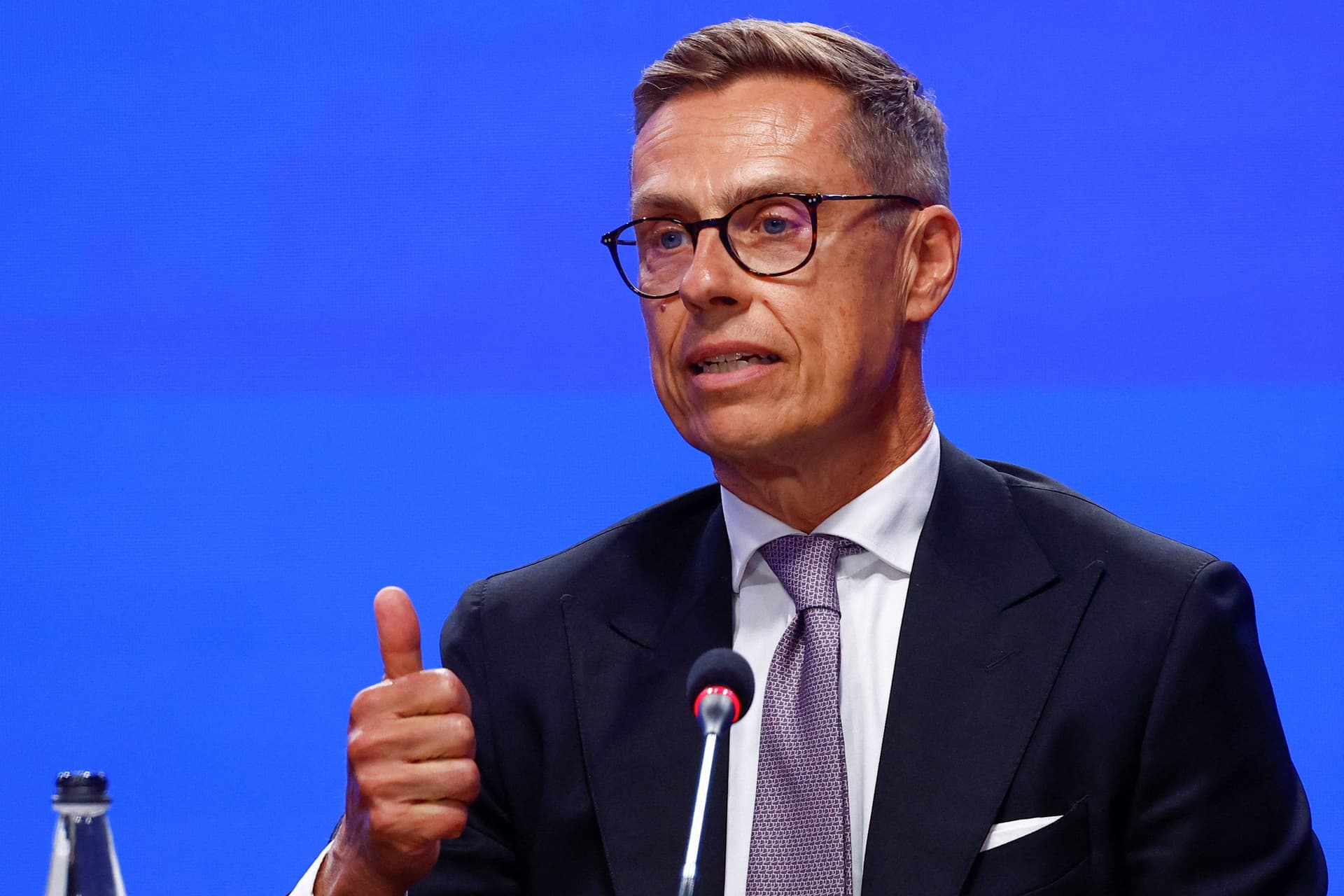
Europe is warning of intensifying Russian hybrid warfare—sabotage, cyberattacks, drone strikes, and espionage designed to stay below the threshold of direct war. At the Prague Defense Summit, Czech Prime Minister Andrej Babiš urged Europe and the US to pursue peace negotiations with Russia, warning that the current security path could lead to wider conflict Reuters.
Babiš criticized the militarized tone of global defense discussions, saying out of 300+ annual defense conferences worldwide, he had never heard the word "peace" used. Meanwhile, Russia continues testing Europe's defenses: Romania's intelligence service recently thwarted a Russian sabotage plot targeting NATO military sites, and German authorities defused an explosive drone near a cargo aircraft in August Reuters.
Czech Leader Calls for Diplomacy Over Military Buildup
Babiš warned that Europe's trajectory risks "World War III" and proposed a jointly funded European missile-defense network called "Euro Patriot" to reduce NATO dependency. His government is shifting away from direct state financing of Ukraine weapons supplies. Czech companies have delivered €11.3 billion worth of arms to Ukraine, but Babiš's coalition will permit ammunition deliveries without funding them directly Reuters.
This contrasts sharply with Czech President Petr Pavel, a former NATO general and leading advocate for the ammunition initiative that has sent millions of rounds to Ukraine. The policy shift reflects growing political divisions within Europe over how aggressively to support Ukraine Reuters.
Russia's Sabotage Campaign Targets NATO Infrastructure
Russian hybrid operations are escalating across Europe. Romania's intelligence service disclosed it thwarted a gray-zone plot involving a Russian operative gathering photographs of military installations and NATO bases. German authorities also defused an explosive-laden drone near a Ukrainian cargo aircraft at Leipzig/Halle Airport in August, later attributing the plot to Russian hybrid operations Reuters.
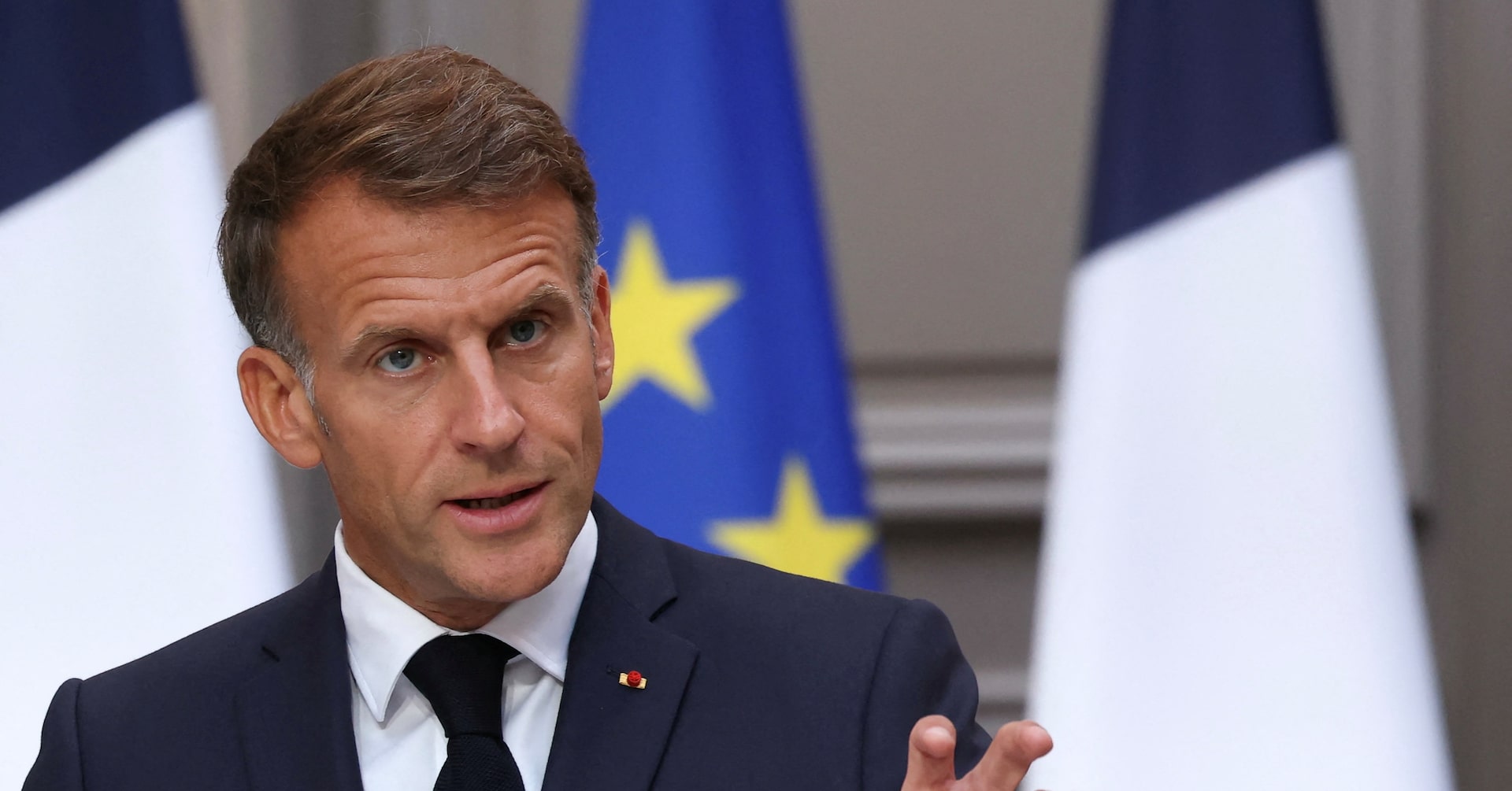
These tactics—cyberattacks, drone incursions, espionage, and sabotage—are deliberately engineered to disrupt Western logistics while avoiding direct military confrontation. French President Emmanuel Macron has warned of intensifying hybrid threats and plans to mobilize protective measures across vital sectors Reuters.
Military Analysts Say Russia Lacks Capacity for Full-Scale War
Some analysts challenge fears of an imminent Russian conventional attack. Western intelligence estimates Russia has lost over 12,000 tanks and about 25,000 armored vehicles in Ukraine, forcing Moscow to deploy Cold War-era T-62 and T-55 tanks from reserves. This severe depletion means Russia cannot wage a full-scale war against the European Union Reuters.
Skeptics argue that social-media alarmism and Russian disinformation are amplifying public fears beyond Russia's actual military capacity. While hybrid attacks are real, the catastrophic losses in Ukraine have severely constrained Moscow's ability to launch a broader regional conflict Reuters.
French Politicians Warn of Escalation Spiral
French opposition politician Marine Le Pen warned that NATO's direct entry into the Ukraine conflict could trigger World War III. She also cautioned that failure to resolve the war could produce a prolonged conflict that drains European resources and resolve Reuters.
Le Pen's warnings align with Babiš's calls for diplomatic solutions. Both leaders argue that unyielding military escalation increases the risk of catastrophic conflict, though NATO leadership and military officials contend that robust deterrence is the only effective safeguard against Russian aggression Reuters.
Sentiment
Mostly NegativeNEGATIVENEUTRALPOSITIVE
Publishers
79
Articles
247
Reach
326
A
AnonymousAuthor