Asian Games Carry Legacy of Diplomatic, Sporting Disputes
Asian Games Carry Legacy of Diplomatic, Sporting Disputes
Anonymous
Key Points
1
The Olympic Council of Asia has governed the Asian Games since 1982 and is headquartered in Kuwait City, Kuwait.
2
The Games’ origins predate the 1951 inaugural edition: the idea of an “Oriental Olympic Games” emerged in 1913 and later developed through the Far Eastern Championship Games.
3
The Asian Games’ motto is “Ever Onward,” and their symbol is a bright sun with 16 rays surrounding a white circle.
4
The AFC Asian Cup, another major Asian sporting event, began in 1956 and is the world’s second-oldest continental football championship; it is organized by the Kuala Lumpur-based Asian Football Confederation.
5
Despite accommodation problems in Nagoya, local staff provided notable assistance: a railway employee helped a traveler who had entered the wrong line and refunded the fare, while airport media staff personally guided journalists to a location selling SIM cards and data packages.
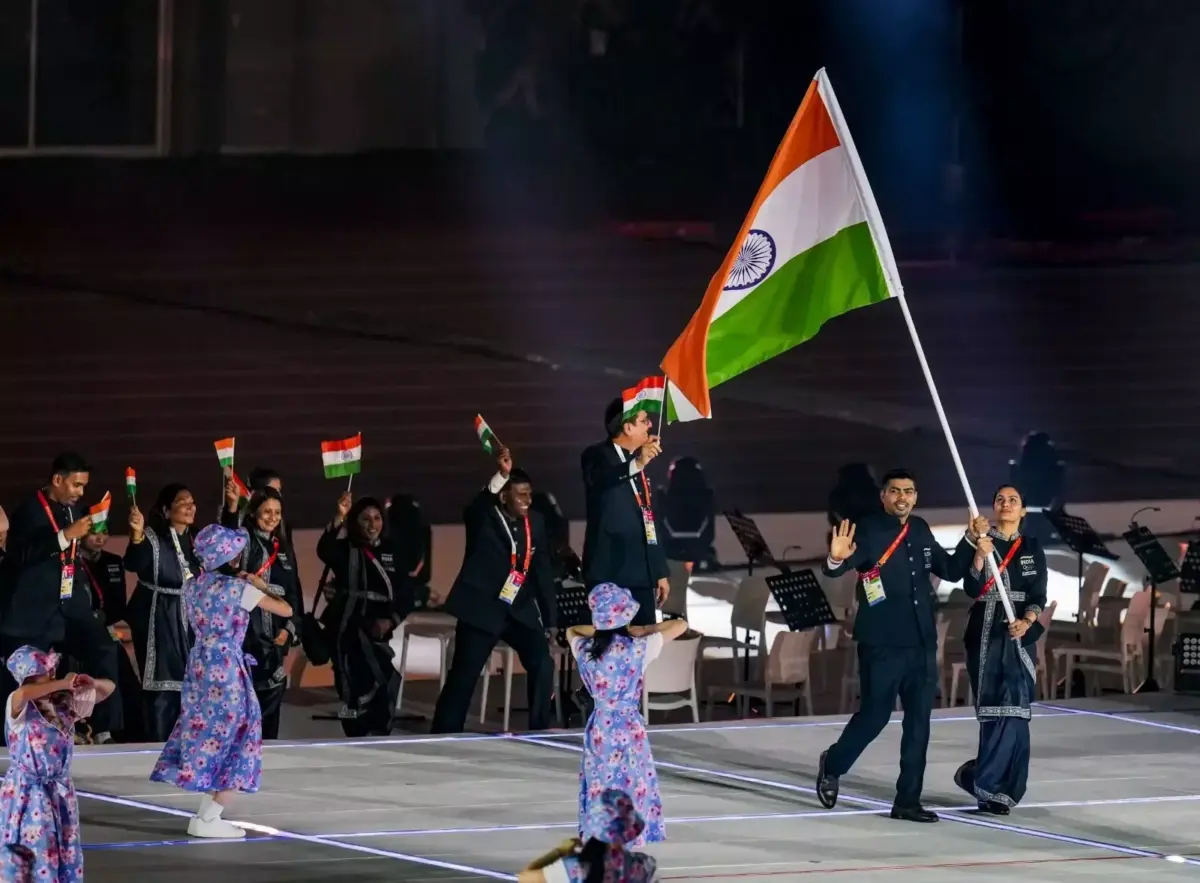
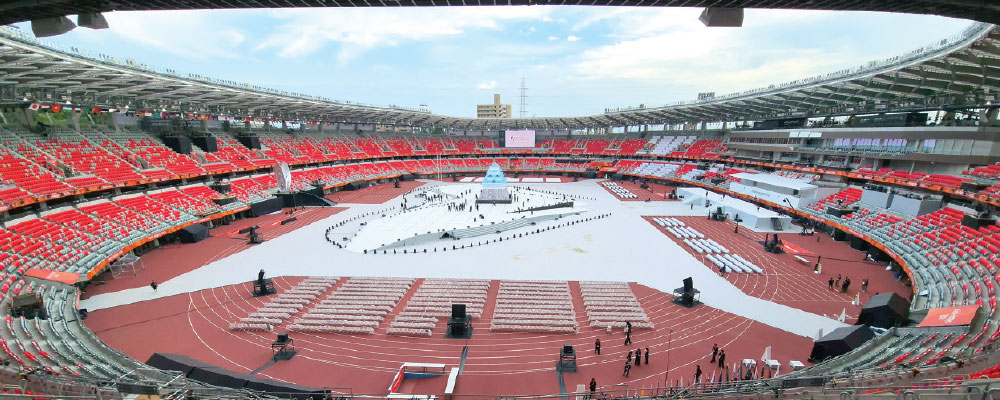
Asia's biggest sporting event returns to Japan for the first time in 32 years as the 20th Asian Games open in Aichi-Nagoya on September 19. Nearly 11,000 athletes will compete across 43 sports, making this the second-largest multi-sport event after the Olympics. Moneycontrol reports that preparations have drawn criticism, with athletes waiting hours at airports and facing accommodation issues, though local staff have earned praise for their helpfulness.
The Asian Games, held every four years since 1951, have become a major platform for regional diplomacy and national pride across Asia. The Federal notes the Games carry a complex history marked by political disputes, selection controversies, and officiating rows that reveal tensions running deeper than sport alone.
When Diplomacy Overshadows Athletic Competition
The Asian Games have repeatedly become arenas for geopolitical conflict. In 1962, Indonesia excluded Israeli and Taiwanese athletes from the Jakarta Games, a political decision that underscored how host nations wield control over participation. GK Today explains the Games serve as platforms for national soft power, meaning political tensions often spill into the sporting arena.
More recent disputes show the pattern continues. An administrative error barred Indian wrestler Satish Kumar from the 2002 Busan Games. Selection rows and questions over sporting regulations have plagued multiple editions, demonstrating how even unintentional decisions can ignite controversy.
Logistical Stumbles Plague Nagoya's Host Duties
Organizers in Nagoya have faced sharp criticism over basic logistics. Moneycontrol reports athletes endured two-hour waits at airports for shuttles to hotels, with some accommodation falling short of expectations. The Games feature 71 disciplines spread across 43 sports—a complex operation prone to gaps in execution.
Yet the story is not uniformly negative. Railway employees refunded fares for confused travelers. Airport media staff personally guided journalists to shops selling SIM cards and data packages. These gestures reveal a gap between top-level planning failures and the genuine hospitality of local staff.
The Asian Games' Roots Run Deeper Than 1951
The vision for an 'Oriental Olympic Games' first emerged in 1913. GK Today traces the modern Games back to the Far Eastern Championship Games, which eventually evolved into the Asian Games inaugurated in 1951. The Olympic Council of Asia, headquartered in Kuwait City, has governed the event since 1982 and oversees all competitions.
The Games' official motto—"Ever Onward"—reflects their growth into Asia's most prominent multi-sport event. The symbol is a bright sun with 16 rays surrounding a white circle. 24 News HD notes this edition will feature more participants than the Olympics themselves, underscoring the Games' continental importance.
Sentiment
Mostly NegativeNEGATIVENEUTRALPOSITIVE
Publishers
21
Articles
26
Reach
47
Topics
A
AnonymousAuthor