Asian Games Housing Controversy
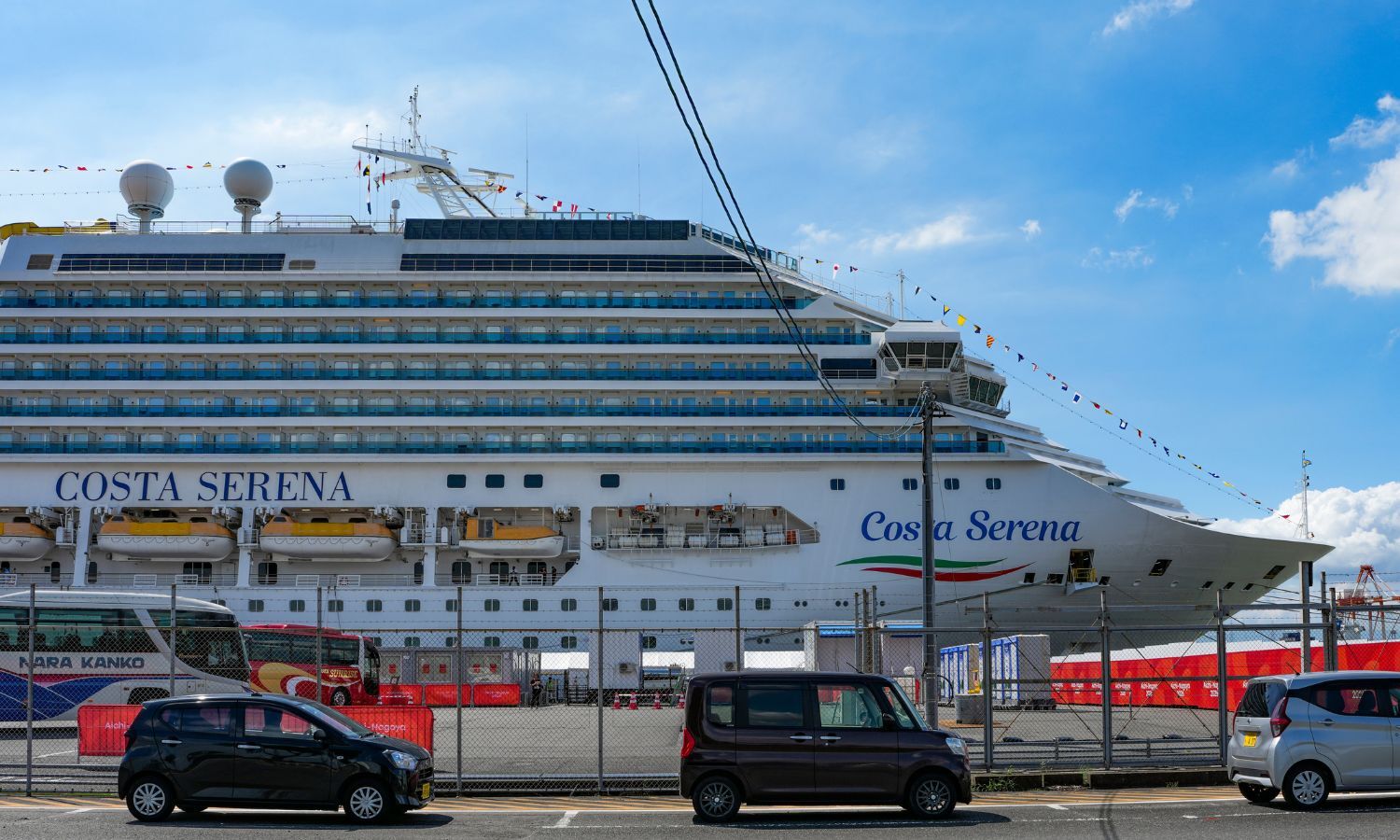
Cruise ship docks in Nagoya to house Asian Games athletes amid mounting complaints.
Anonymous
Key Points
1
Organizers chartered the Costa Serena, a sister ship of the ill-fated Costa Concordia, for approximately $28 million.
2
The temporary wooden units at Nagoya Port’s Garden Wharf are intended to be repurposed after the Games as disaster-response facilities and tourist lodging.
3
Taiwan reported a general shortage of beds, while the Philippines said coaches and support staff had to be moved to hotels and Airbnbs outside the main accommodation area.
4
Because of limited space, teams are expected to stagger arrivals, with athletes competing in early events leaving the ship or other accommodation to make room for later arrivals.
The Costa Serena cruise ship docked in Nagoya on Tuesday to house approximately 4,000 athletes during the 2026 Asian Games, which begin Saturday and run through October 4. DailyHunt reported that the unconventional arrangement—mixing the ship with hotels, Airbnbs, and temporary container-style huts—has drawn sharp criticism from South Korean, Philippine, and Taiwanese officials, who cited cramped rooms, undersized beds, leaking sinks, and flooded floors as serious concerns.
With no traditional athletes' village built to save construction costs, organizers must accommodate over 17,000 participants across the decentralized setup. TheBridge reported that some rooms meant for two athletes are housing three, while TheChronicle noted that heavy rain forced brief evacuations last week. Organizers defended the $28 million cruise ship charter and temporary housing as a sustainable model for future sporting events, though critics say cost-cutting has compromised athlete welfare.
Container Huts Draw Backlash From Foreign Delegations
South Korea's basketball players faced the harshest conditions in the wooden container units at Nagoya Port. HeadTopics reported that South Korean officials called the accommodations the "worst ever," citing beds too small for tall athletes. A viral video showed a leaking sink and flooded room captioned "Please help us," sparking outrage across multiple delegations.
Taiwan reported a general bed shortage, while the Philippines said coaches and support staff had to be relocated to hotels and Airbnbs outside the main accommodation zone. Rediff noted that Indian athletes complained of cramped rooms and long delays due to organizational confusion. Even the host nation acknowledged the problems.
Organizers Defend Cost-Saving Accommodation Strategy
The Aichi-Nagoya Asian Games Organizing Committee scrapped plans for a single athletes' village to avoid post-event abandoned infrastructure and contain ballooning construction costs. Instead, they chartered the Costa Serena—a sister ship of the ill-fated Costa Concordia—for approximately $28 million and built temporary wooden units at Garden Wharf. Chairman Hideaki Omura called it "the first time in Japan" such a facility was used for a major sporting event.
Accommodation Manager Yuta Matsuo said the committee was "fully aware of the dissatisfaction" and taking "concrete steps to improve the environment." DailyHunt reported that organizers framed the unconventional setup as forward-thinking and fiscally responsible. The waterfront containers are planned for post-Games relocation to serve as disaster-response facilities and tourist lodging—potentially establishing a template for future mega-events facing tight public budgets.
Staggered Arrivals Required to Manage Housing Shortage
With limited total capacity, teams must coordinate flexible arrival and departure schedules. Athletes competing in early events must vacate their rooms quickly to make space for competitors arriving later. HeadTopics reported that over 17,000 participants—across 45 countries and 43 sports—are affected by this juggling act, placing logistical pressure on all delegations.
The arrangement coincides with Japan's peak typhoon season, raising weather-resilience concerns for the waterfront container units. TheChronicle noted that heavy rain last week forced brief evacuations, underscoring the vulnerability of ground-based temporary housing. Organizers must balance tight space constraints with athlete safety as the Games progress through early October.
Sentiment
Mostly NegativeNEGATIVENEUTRALPOSITIVE
Publishers
34
Articles
37
Reach
71
Topics
A
AnonymousAuthor


