India Plans Athlete Housing Amid Nagoya Games Crunch
India Plans Athlete Housing Amid Nagoya Games Crunch
Anonymous
Key Points
1
India’s Chef de Mission Sahdev Yadav said the disruption affected 30 to 35 athletes after their names were removed from the accommodation list; badminton and shooting athletes were among those affected.
2
India responded to the initial accommodation problems by booking 18 additional hotel rooms and planning to secure 10 more.
3
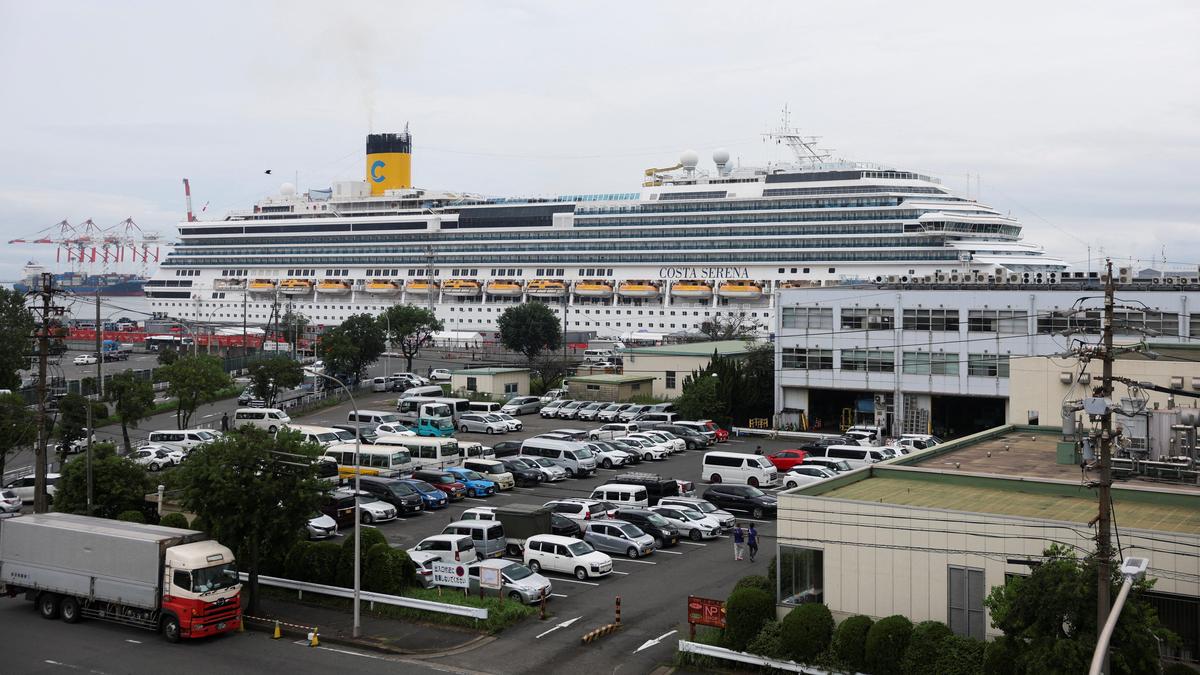
The accommodation model is intended as a cost-cutting alternative to building a conventional athletes’ village: about 4,000 athletes and officials are staying aboard the Costa Serena cruise ship, while others are housed in hotels and container-style units.
4
Organizers said the Games’ athlete population has risen above 17,000 because new sports were added, increasing the scale of the accommodation challenge.
5
A key logistical problem was the lengthy accreditation process being conducted aboard the cruise ship, compounded by transportation delays; India consequently arranged its own cars and hotels, according to Chef de Mission Sahdev Yadav.
India has created a three-tier backup plan after 30 to 35 athletes faced housing delays at the Nagoya Asian Games. The Hindu reported that officials stationed at the airport and a Welcome Centre now manage arrivals, while 2,000 Indian residents in Nagoya stand ready to open their homes if hotels run short. The crisis exposed logistical gaps in Asia's largest sporting event.
India booked 18 extra hotel rooms and planned to secure 10 more after athletes' names were dropped from accommodation lists. Economic Times noted that badminton and shooting athletes were among those affected. Despite the scramble, Indian officials say all arrived athletes now have places to stay.
How India Built a Housing Safety Net
When accommodation problems hit, India moved fast. Kalinga TV confirmed that about 2,000 Indian residents in Nagoya with roughly 15 homes identified as emergency lodging agreed to shelter athletes if official rooms failed. India also arranged its own buses and cars after transportation delays slowed the accreditation process on the Costa Serena cruise ship.
Chef de Mission Sahdev Yadav explained the three-layer approach: officials at airport checkpoints, staff at the Welcome Centre, and private homes as a final backstop. This system prevents athletes from missing training while accommodation sorts itself out.24newshd reported the standby system was activated immediately.
The Cruise Ship and Container Model Strains Logistics
Organizers ditched the traditional athletes' village to cut costs. About 4,000 athletes and officials now sleep aboard the Costa Serena cruise ship. Others occupy hotels and container-style units. sg.headtopics.com reported the mixed-accommodation model creates transportation bottlenecks as athletes move between the ship, accreditation areas, and training venues.
The athlete count swelled above 17,000 because new sports were added to the Games. That surge pushed housing beyond what planners expected. Accreditation conducted aboard the cruise ship created long queues and delays that rippled through the entire system.
Why 30 Athletes Lost Their Rooms
The confusion started when athlete names vanished from the official accommodation list without warning. Badminton and shooting delegations faced the worst disruptions. Economic Times reported the mix-up left teams scrambling to find beds while trying to prepare for competition.
India's response was swift: officials positioned at key checkpoints began fixing cases on the spot. The Chef de Mission said the focus shifted to preventing further training disruptions rather than debating who was at fault. So far, the three-tier system has held up the backup plan has not been needed.
Sentiment
Mostly NegativeNEGATIVENEUTRALPOSITIVE
Publishers
13
Articles
13
Reach
26
Topics
A
AnonymousAuthor