Court Strikes Down Quota
Andhra Pradesh High Court Quashes 34% BC Quota and Orders Local Elections
Anonymous
Key Points
1
The court held that the unified family survey the state relied on to justify the enhanced BC quota did not constitute scientifically generated empirical data.
2
The court said local-body elections could proceed using the electoral rolls available on the relevant eligibility date; the ongoing Special Intensive Revision did not invalidate those rolls.
3
The bench stated that former sarpanches could not continue in office while local-body elections were pending.
4
In explaining the legal framework, the court referred to Supreme Court rulings that political reservations in local bodies are distinct from reservations in education and public employment.
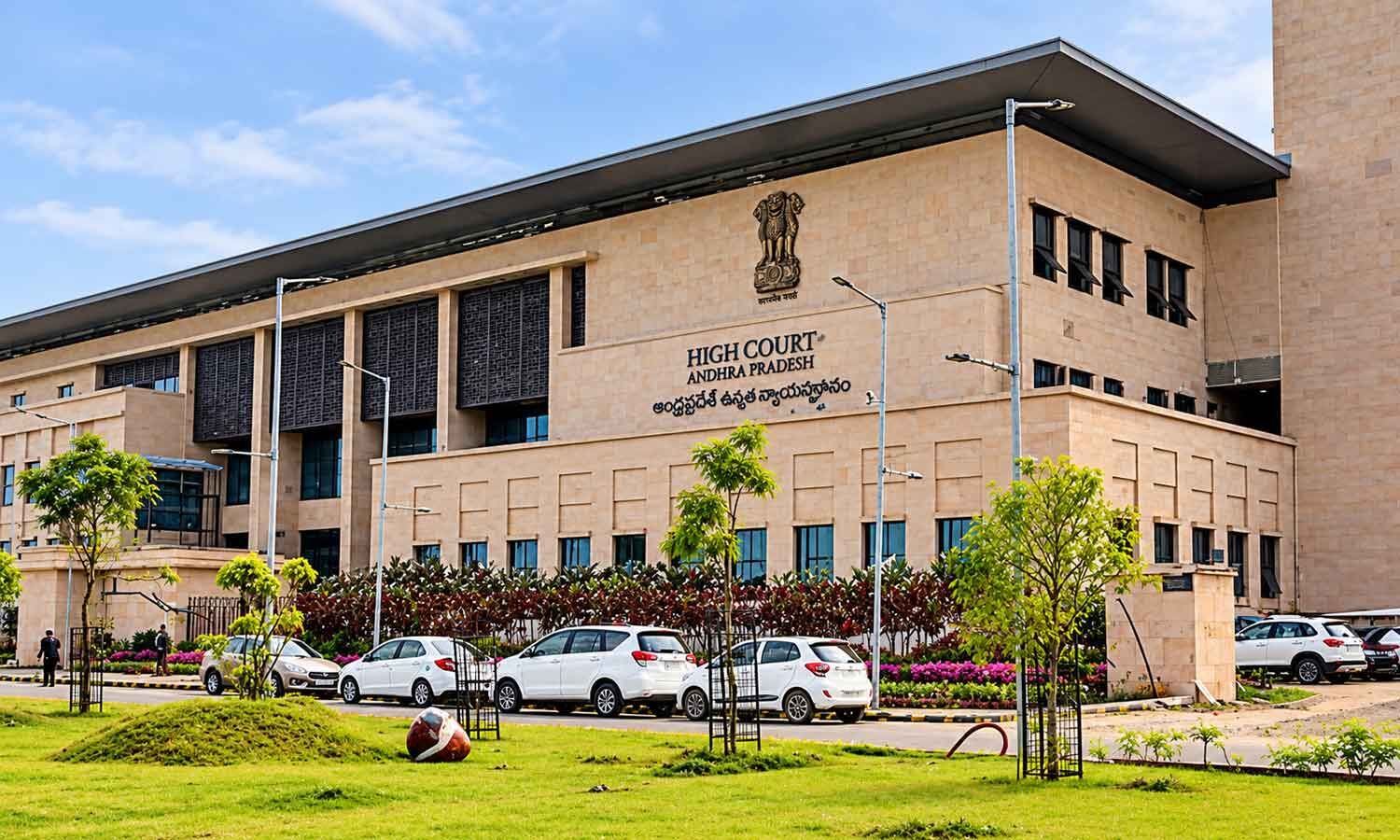
The Andhra Pradesh High Court struck down state orders that set 34% Backward Classes reservations in local elections, ruling the quotas exceeded legal limits and lacked solid evidence. Deccan Chronicle reported the court ordered the state to begin local-body elections within six weeks and said Chief Minister N. Chandrababu Naidu vowed to fight the decision in the Supreme Court.
The court found that combined reservations would exceed the 50% constitutional ceiling and that the state's family survey did not qualify as scientifically valid data. The Hindu's India reported the court said local elections could proceed using existing electoral rolls, dismissing claims that an ongoing revision process should delay voting.
High Court Rejects 34% Quota as Unconstitutional
The bench ruled that the 34% BC reservation violated the 50% cap for combined reservations in local bodies. New Indian Express noted the court found the state's unified family survey did not constitute rigorous, scientifically generated empirical data needed to justify such large quota increases.
The court explained that political reservations in local bodies follow different legal rules than reservations in education and public jobs. The Hindu's India reported the ruling cited Supreme Court precedents establishing these distinctions and said the state could reapply for 34% quotas only after conducting a proper local-body-specific study.
Elections Must Begin Within Six Weeks
The court ordered the state government and State Election Commission to start the local-body election process immediately. New Indian Express reported the bench rejected arguments that an ongoing Special Intensive Revision of electoral rolls should delay voting, ruling existing rolls on the relevant date remained valid.
The court also directed that former sarpanches could not remain in office while local elections were pending. The Hindu's India stated this meant existing village and municipal leaders must vacate their posts to allow new polls to proceed.
Naidu Pledges Supreme Court Appeal
Chief Minister N. Chandrababu Naidu said the state would immediately challenge the High Court ruling in the Supreme Court. Newsable quoted Naidu saying his government remains committed to securing the 34% BC reservation for local-body elections despite the setback.
The government has already filed a Special Leave Petition in the top court. Deccan Chronicle reported the appeal contests the High Court's finding that the quota lacked scientific support and exceeded constitutional limits for combined reservations.
Sentiment
Mostly NegativeNEGATIVENEUTRALPOSITIVE
Publishers
20
Articles
9
Reach
29
A
AnonymousAuthor


