Voter Form Dispute
Supreme Court States It Did Not Approve Modified Voter Registration Form 6
Anonymous
Key Points
1
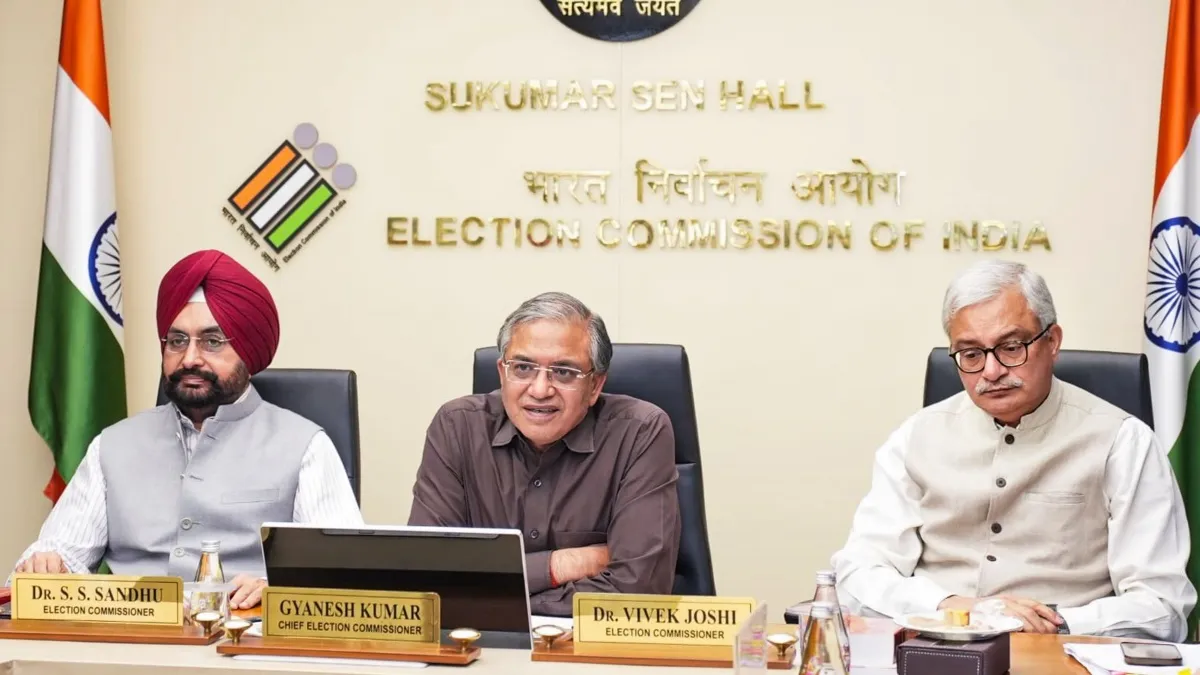
The Election Commission said in a September 26 press note that the additional Form 6 declaration had been upheld by the Supreme Court, while stating that the regular forms under the Registration of Electors Rules, 1960, would be used outside the SIR period.
2
The added declaration was reportedly introduced despite objections from two Election Commissioners, who said the change could not be made without the Central Government amending the Registration of Electors Rules, 1960.
3
The Supreme Court’s May 27 judgment upheld the SIR framework, but the new declaration was introduced after that judgment, so the court had not examined it in that case.
4
The Election Commission removed the SIR-related declaration from its ECINET portal in states where the revision had concluded; it said the statutory Form 6 itself had not been amended and described the requirement as a separate declaration.
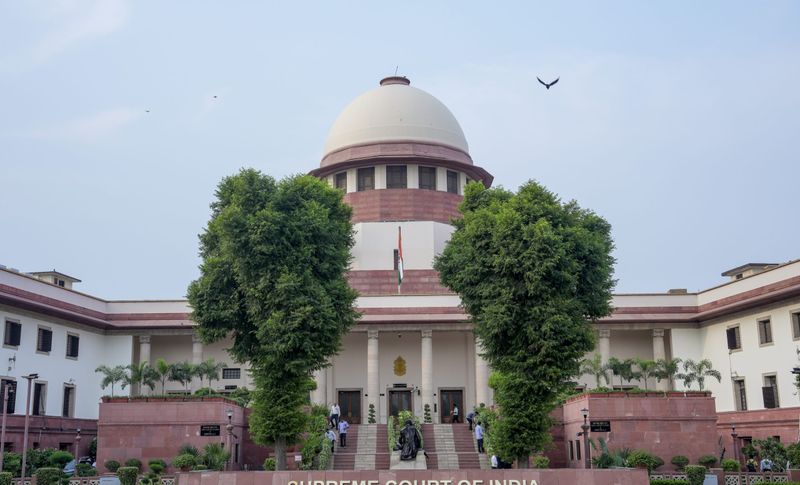
India's Supreme Court directly contradicted the Election Commission, saying it had NOT approved a modified voter-registration form that the Commission claimed was court-endorsed. Chief Justice Surya Kant stated the Court would investigate who made changes to Form 6, the official registration document used during the ongoing Special Intensive Revision of electoral rolls.
The Election Commission had claimed in September that the added declaration — requiring new voters to link themselves to previous voter rolls — was upheld by the Supreme Court. But the high court never examined this specific change, raising questions about how and why the modification was introduced.
The Form 6 Declaration That Courts Never Reviewed
The Supreme Court's May 27 ruling approved the Special Intensive Revision framework itself. But the new Form 6 declaration was added AFTER that judgment, meaning judges had never actually examined it. The Wire reports the Election Commission nonetheless claimed court approval for the change, creating a legal contradiction.
The added requirement asks applicants to prove family links to old voter rolls. Two Election Commissioners had reportedly objected, saying the rule change violated election law and couldn't happen without formal government approval. The Commission later removed this declaration from its online portal in states where the revision had finished.
Supreme Court Orders Inquiry Into Who Authorized The Change
Chief Justice Surya Kant announced the Court would review its own records to identify who approved the Form 6 modification. Indian Express notes this unusual step suggests confusion or possible error in how the change was made official.
The Court issued formal notices to the chief election commissioner and other election officials over petitions challenging decisions tied to the revision. However, justices declined to suspend the chief election commissioner immediately, despite calls from petition filers to do so.
Election Commission's Contradictory Explanations
On September 26, the Election Commission issued a press statement saying the Form 6 declaration had been approved by courts. Simultaneously, it claimed the official statutory form itself remained unchanged — just with an additional separate declaration attached. This distinction satisfied no one.
The Commission stated that outside the Special Intensive Revision period, regular Forms under the 1960 election rules would apply. But critics argue the added declaration fundamentally alters voter eligibility requirements without proper legal authorization, creating confusion among millions of new registrants.
Sentiment
Mostly NegativeNEGATIVENEUTRALPOSITIVE
Publishers
32
Articles
43
Reach
75
Topics
A
AnonymousAuthor