Election Commission Scrutiny
Supreme Court Seeks Response From CEC Regarding ECI Decision-Making Protocols
Anonymous
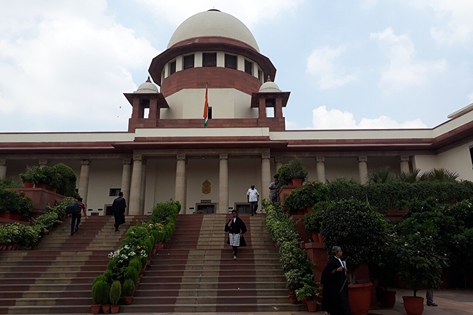
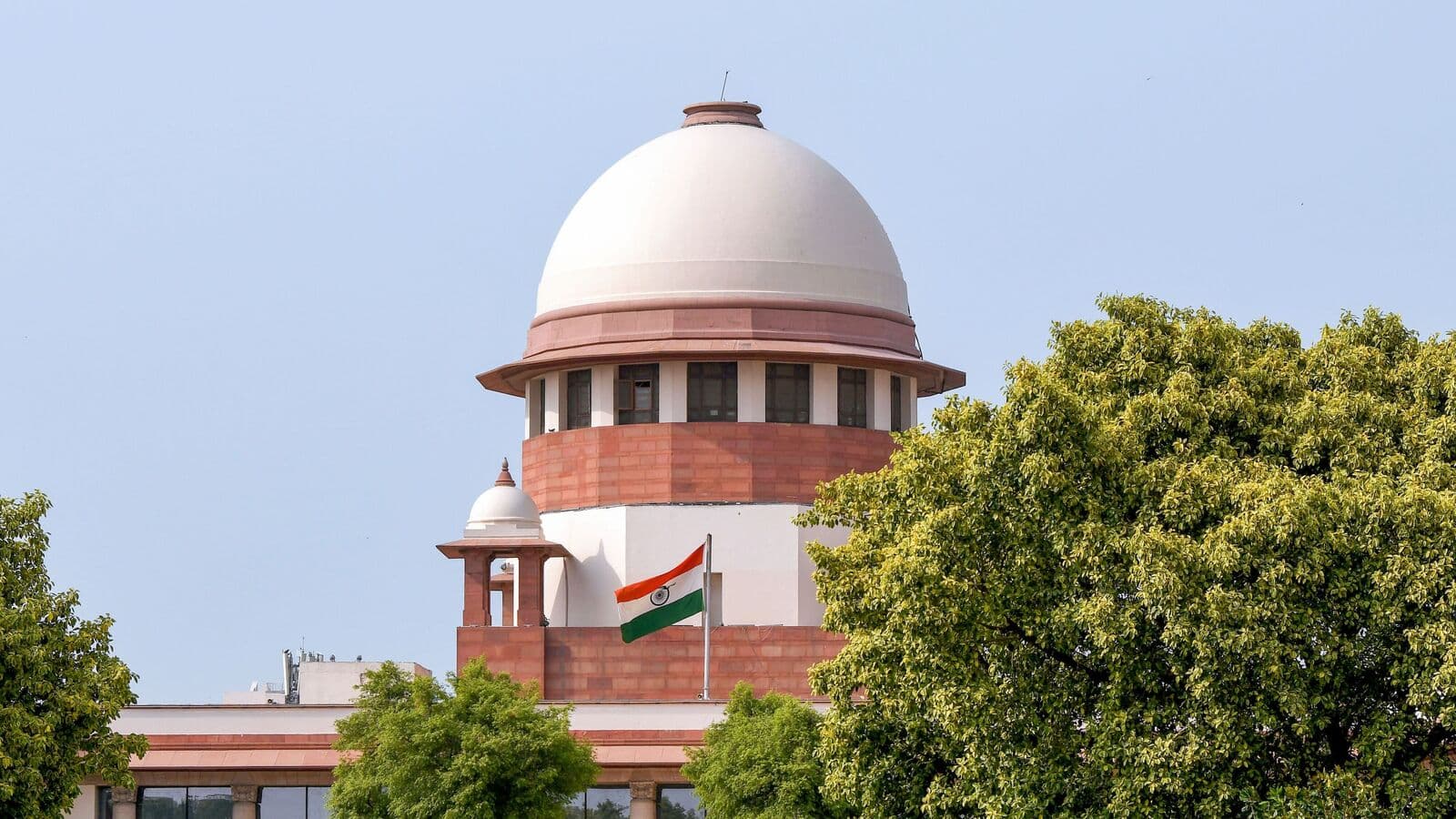
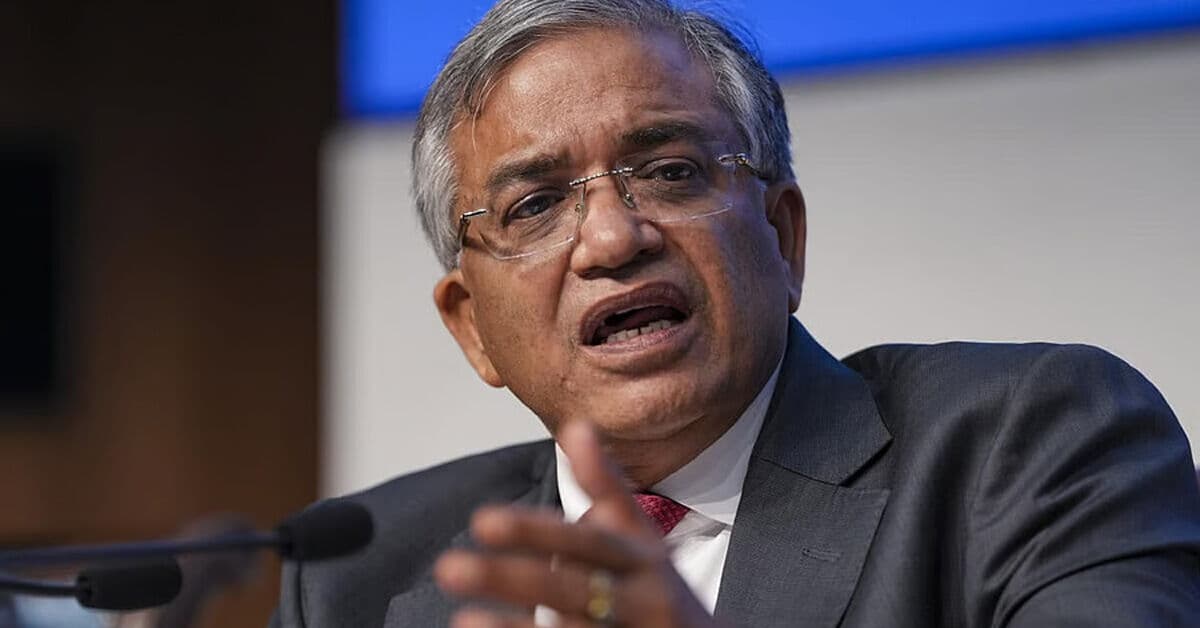
India's Supreme Court refused to suspend Chief Election Commissioner Gyanesh Kumar on October 5, 2026, despite allegations that he made unilateral decisions without approval from the other two Election Commissioners. The court, led by Chief Justice Surya Kant, declined an ex-parte suspension but issued formal notices to the Centre, the ECI, and all three commissioners, demanding detailed responses within seven days Livemint.
The crisis erupted after The Indian Express exposed 14 formal written objections filed by Election Commissioners Sukhbir Singh Sandhu and Vivek Joshi over a 10-month period. They alleged that CEC Kumar bypassed majority voting rules required by law when modifying electoral rolls and voter registration forms Swarajya. The court cautioned that suspending the CEC could cripple election machinery, but signaled it will examine ECI records to verify if decisions violated statutory protocols.
How Gyanesh Kumar Allegedly Bypassed Other Commissioners
Election Commissioners Sandhu and Joshi filed formal written dissents over modifications to the Special Intensive Revision (SIR) of electoral rolls. They objected to changes in statutory Form 6, the voter registration document, without their approval Swarajya. Sandhu called one disputed directive "unauthorised and illegal." The law requires all ECI decisions to be unanimous or approved by majority vote under Section 18 of the Chief Election Commissioner Act, 2023.
The Court Warns Against Premature Suspension
Chief Justice Surya Kant stated commissioners "are expected to take unanimous decisions… if there is no unanimity, it has to be by majority." Justice Joymalya Bagchi cautioned: "Let's not put the cart before the horse." The bench ruled that immediately removing Kumar could halt election preparation nationwide India Today. Senior advocate Vikas Singh, representing petitioner Rakesh Kumar Singh, argued the court should "pass interim orders" to prevent further damage.
14 Disputed Decisions Under Judicial Review
The Supreme Court will inspect internal ECI meeting records to verify whether the disputed 14 decisions complied with voting rules Swarajya. The objections span a 10-month period and involve the revision of electoral rolls affecting approximately 13.8 crore voters across 31 states and union territories. If records confirm unilateral action, the court signaled it may annul specific directives or declare them void News on Air.
What Happens Next: The One-Week Countdown
The Centre, ECI, and all three commissioners must file counter-affidavits within seven days The Week. The Supreme Court will then examine whether internal deliberations followed constitutional and statutory rules. Senior advocate Menaka Guruswamy challenged the procedural changes to voter registration forms, raising concerns about electoral integrity. The judicial review now centers on whether the CEC acted as a single decision-maker or respected the collegial structure required by law.
Sentiment
Mostly NegativeNEGATIVENEUTRALPOSITIVE
Publishers
47
Articles
51
Reach
98
A
AnonymousAuthor