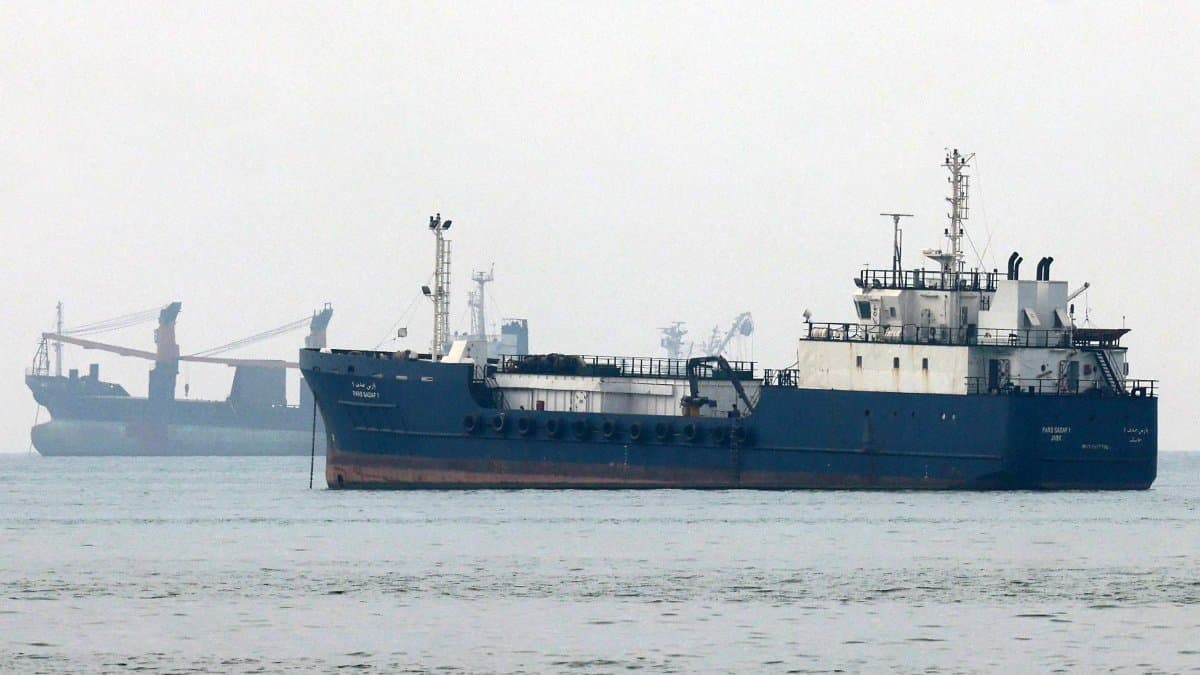
Strait of Hormuz Blockade
CENTCOM reroutes ninety-six commercial vessels as maritime blockade against Iran continues enforcement.
Anonymous
Key Points
1
The blockade was first launched on April 13, paused on June 18 after a temporary understanding between Tehran and Washington, and reinstated on July 14 after that understanding collapsed.
2
CENTCOM said the enforcement actions were intended to “fully enforce the maritime blockade of Iran.”
3
The aircraft carrier USS George H.W. Bush was supporting the blockade from the Arabian Sea; CENTCOM released an image of an F/A-18 fighter jet launching from the carrier during a night operation.
4
More than 200 U.S. aircraft and naval vessels took part in the first phase of the blockade, according to an earlier CENTCOM statement.
5
The sharp decline in Strait of Hormuz traffic was recorded by ship-tracking firm Kpler: seven vessels crossed on Sept. 10, compared with 12 the previous day and a 10-day average of 14.
The U.S. military has rerouted 96 commercial vessels since reinstating its maritime blockade of Iran on July 14, CENTCOM announced. The enforcement effort included boarding two ships and disabling three others. More than 50 vessels carrying humanitarian aid were allowed to pass through. Traffic through the Strait of Hormuz has plummeted — only seven ships crossed on September 10, down from a 10-day average of 14.
The Blockade Restarts After Brief Pause
The blockade first launched on April 13 but was paused on June 18 after a temporary deal between Tehran and Washington. That understanding collapsed, and CENTCOM reinstated the full blockade on July 14. The enforcement effort applies to all ships — regardless of nationality — entering or leaving Iranian ports.
Military Muscle Behind the Blockade
More than 200 U.S. aircraft and naval vessels supported the blockade's first phase, according to CENTCOM. The aircraft carrier USS George H.W. Bush operated in the Arabian Sea as the backbone of enforcement. CENTCOM released images of F/A-18 fighter jets launching from the carrier during night operations, demonstrating constant air surveillance.
Strait of Hormuz Traffic Falls Dramatically
Ship-tracking firm Kpler recorded just seven vessels crossing the Strait of Hormuz on September 10. That's down from 12 ships the previous day and well below the typical 10-day average of 14. The sharp drop shows how quickly the blockade is disrupting one of the world's most critical shipping lanes.
Humanitarian Cargo Gets Special Permission
Despite the hard enforcement, CENTCOM allowed more than 50 ships carrying humanitarian supplies to pass through. The U.S. says the blockade targets military and strategic goods while permitting aid for ordinary people. The agency called its actions "full enforcement of the maritime blockade of Iran."
Sentiment
Mostly NegativeNEGATIVENEUTRALPOSITIVE
Publishers
15
Articles
3
Reach
18
Topics
A
AnonymousAuthor