Strait of Hormuz Dispute
U.S. Insists Strait of Hormuz Remains Open Despite Iranian Blockade
Anonymous
Key Points
1
Mohammad-Bagher Zolghadr said Tehran also intends to avenge those killed in the war, arguing that Iran’s resistance over the past 200 days demonstrated the failure of efforts to defeat the country.
2
The U.S. aircraft carrier USS Gerald R. Ford has been on its longest deployment since the Vietnam War; the deployment has included a laundry-room fire, three injured sailors and a repair stop in Greece.
3
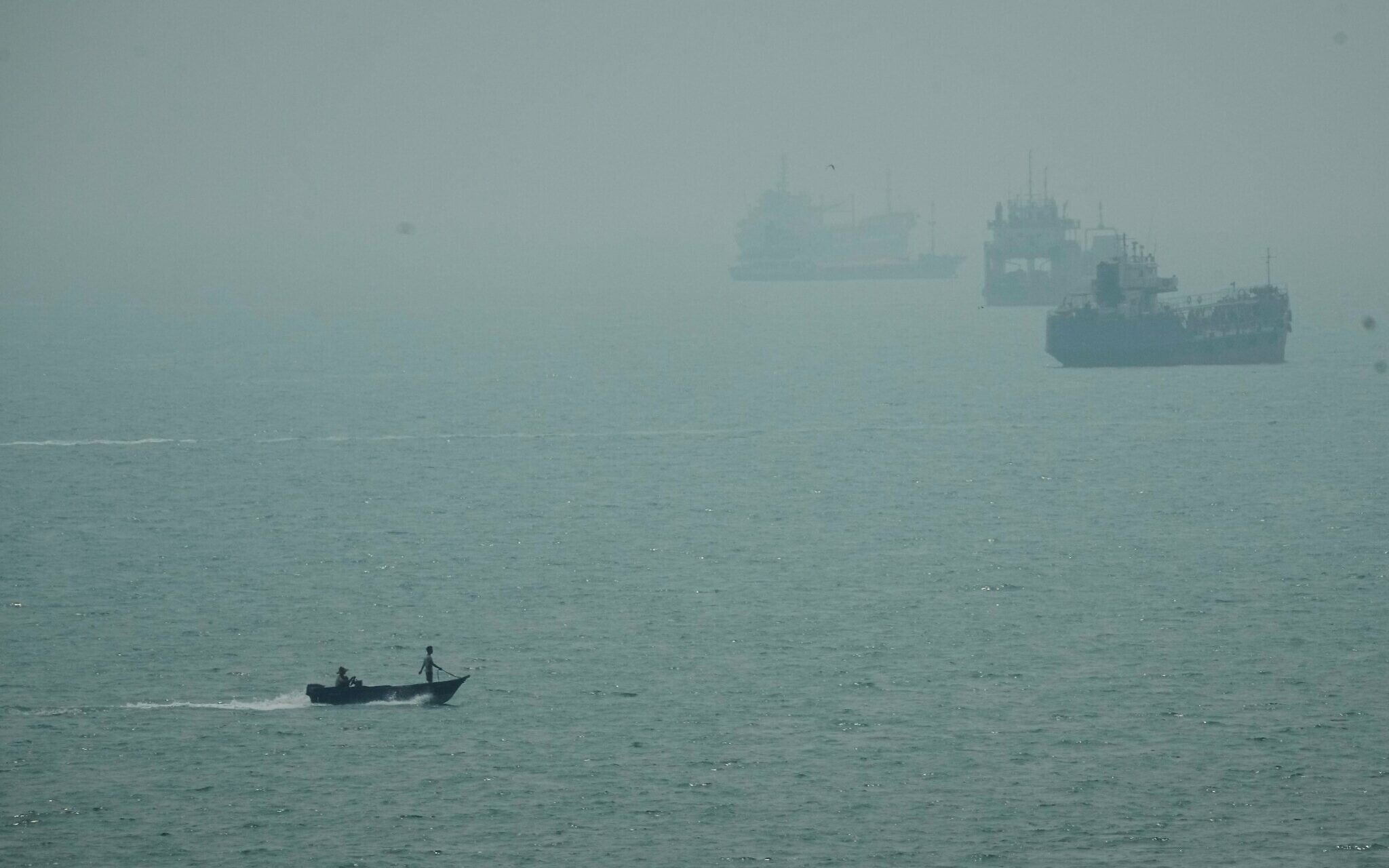
Commercial vessels that do transit the strait largely hug an approved northern corridor near Iran’s coast, while some cargo is moved by small shuttle vessels to supertankers waiting in the Gulf of Oman and other ships switch off their transponders.
4
CENTCOM said U.S. forces had redirected more than 100 ships attempting to violate the blockade, in addition to facilitating commercial traffic and clearing mines from internationally recognized primary shipping lanes.
5
The conflict has also threatened the Bab el-Mandeb after Houthi rebels captured ground overlooking the strait; Saudi warplanes responded with strikes in Yemen as Houthi fighters launched drones and missiles at Saudi cities.
Iran says it will keep the Strait of Hormuz closed until President Donald Trump and Israeli Prime Minister Benjamin Netanyahu leave power, according to Iranian adviser Mohammad-Bagher Zolghadr. Deccan Herald reports this blockade is the first phase of Tehran's retaliation for the ongoing conflict. But the U.S. military disputes Iran's control, saying commercial traffic continues and American forces have escorted ships through the waterway, clearing lanes and facilitating over 900 million barrels of crude since early May.
Shipping data tells a different story. Times Now News reports that commercial vessel traffic has crashed from roughly 100 large ships per day before the war to only a fraction of that today. Many vessels now use narrow escorted corridors near Iran's coast or switch off transponders entirely. The competing claims show a gap between the waterway being technically open under military protection and normal commercial shipping actually resuming.
Iran Frames Blockade as Retaliation Strategy
Zolghadr said Iran intends to avenge those killed in the 200-day conflict. He argued Iran's resistance proved efforts to defeat the country have failed. Times of Israel reports Iranian parliament speaker Mohammad Bagher Ghalibaf stated the Strait will remain closed unless Iran's demands are met and U.S. commitments are implemented. The blockade represents Tehran's calculated pressure campaign against American and Israeli leadership.
U.S. Military Maintains Contested Control of Waterway
CENTCOM says U.S. forces redirected more than 100 ships attempting to violate the blockade while clearing mines from primary shipping lanes. The Hindu Business Line reports the U.S. has facilitated continuous commercial passage. The aircraft carrier USS Gerald R. Ford has been on its longest deployment since Vietnam, including equipment failures and crew injuries. American military presence keeps the corridor technically navigable despite Iranian claims of closure.
Commercial Shipping Operates Under Severe Constraints
Most vessels transiting the Strait now hug an approved northern corridor running near Iran's coast to minimize risk. Dev Discourse notes some cargo moves via small shuttle vessels to supertankers waiting in the Gulf of Oman. Other ships disable tracking systems entirely. This patchwork system keeps oil flowing but at dramatically reduced volumes and higher costs, showing Iran has achieved practical disruption even without total closure.
Houthis Threaten Second Regional Chokepoint
The Bab el-Mandeb strait, another critical energy route, now faces threats from Iran-aligned Houthi rebels. After Houthi fighters captured ground overlooking the waterway, Saudi warplanes responded with strikes in Yemen. Houthi forces launched drones and missiles at Saudi cities in return. This second front expands the regional energy crisis, forcing ships to choose between two contested passages with mounting security risks and insurance costs.
Sentiment
Mostly NegativeNEGATIVENEUTRALPOSITIVE
Publishers
41
Articles
89
Reach
130
A
AnonymousAuthor


