Regional Officials Discuss Security and Gaza Ceasefire
Regional Officials Discuss Security and Gaza Ceasefire
Anonymous
Key Points
1
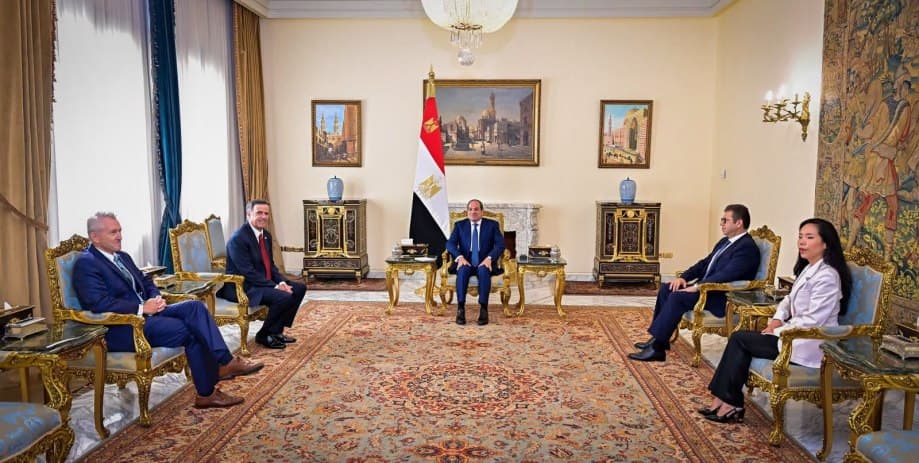
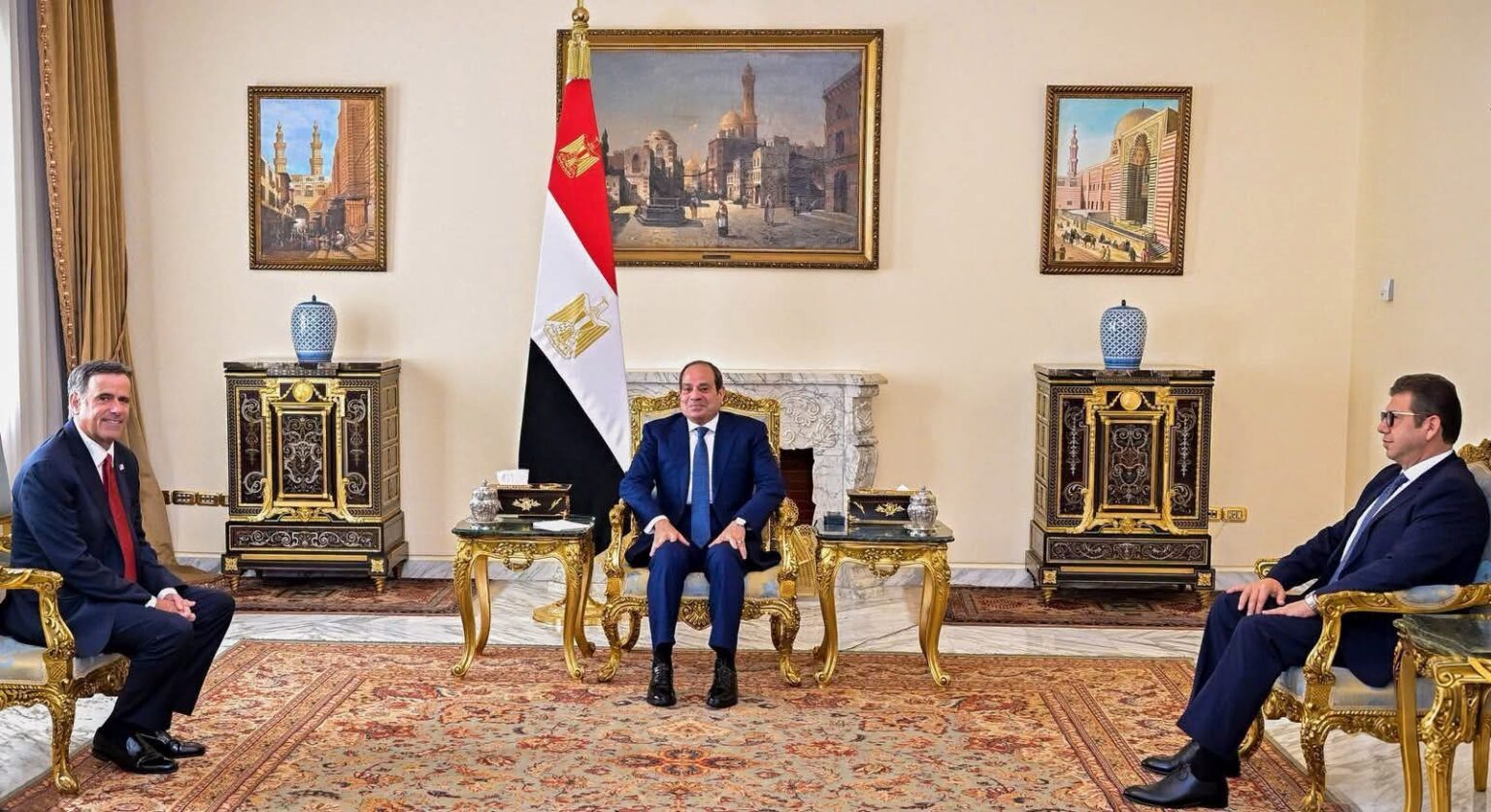
CIA Director John Ratcliffe praised Egypt’s “pivotal role” in reaching the Gaza ceasefire agreement and said Washington would continue coordinating with Cairo on regional security, including counterterrorism and efforts to combat organized and transnational crime.
2
President Abdel-Fattah al-Sisi rejected any infringement on Somalia’s sovereignty or territorial integrity and reaffirmed Egypt’s support for Somalia’s security and stability amid wider concerns in the Horn of Africa.
3
Egypt said a future Palestinian state should be based on the June 4, 1967 borders, with East Jerusalem as its capital, while stressing that Gaza and the West Bank must remain territorially connected.
4
In discussions on Libya, Egypt called for coordinating regional and international efforts behind the Libyan political track and for a sustainable settlement that reflects Libyans’ will while preserving the unity of the state and its national institutions.
5
Saudi Foreign Minister Prince Faisal bin Farhan conducted separate calls with the foreign ministers of Kuwait, Egypt and Türkiye, reviewing joint efforts to contain tensions and protect regional security and stability.
Regional officials from Egypt, Saudi Arabia, Turkey, and Kuwait held urgent talks on security and the Gaza ceasefire this week. Egyptian Foreign Minister Badr Abdelatty and U.S. adviser Massad Boulos discussed Iran tensions, shipping safety in the Strait of Hormuz, and conflicts in Sudan and Libya. CIA Director John Ratcliffe praised Egypt's "pivotal role" in reaching the Gaza ceasefire and promised continued U.S. coordination on regional security.
Egypt Pushes for Gaza Ceasefire Implementation
Egyptian officials demanded full execution of the Gaza ceasefire plan, unrestricted aid delivery, and reconstruction efforts. President Abdel-Fattah al-Sisi called for renewed negotiations toward a two-state solution. Egypt said a future Palestinian state must be based on June 4, 1967 borders, with East Jerusalem as its capital. Gaza and the West Bank must remain connected as one territory.
Iran Crisis and Strait of Hormuz Shipping Safety
Egyptian and German foreign ministers discussed restoring navigation in the Strait of Hormuz and the Red Sea. These waterways are critical for global oil shipments and trade. Regional officials want to prevent further escalation with Iran and protect merchant vessels from attack. The blockade has disrupted shipping routes worth billions in annual commerce.
Somalia's Sovereignty and Horn of Africa Stability
President El-Sisi told CIA Director John Ratcliffe that Egypt rejects any threat to Somalia's sovereignty or territorial integrity. Egypt backs Somalia's security and stability amid wider instability in the Horn of Africa. The meeting, held in Cairo on September 20, 2026, reaffirmed U.S.-Egyptian coordination on counterterrorism and fighting organized crime across the region.
Saudi Arabia Leads Regional De-escalation Efforts
Saudi Foreign Minister Prince Faisal bin Farhan spoke separately with the foreign ministers of Kuwait, Egypt, and Turkey to coordinate regional strategy. The calls focused on containing tensions and protecting security and stability across the Middle East. Saudi Arabia is positioning itself as a key mediator in multiple regional disputes and conflicts.
Libya and Sudan: Preserving State Unity
Egypt called for coordinated regional and international efforts to resolve Libya's political crisis. Officials stressed the need for a sustainable settlement that preserves Libya's unity and national institutions while reflecting the will of its people. Similar emphasis was placed on Sudan, where Egypt seeks political dialogue and territorial integrity amid ongoing conflict.
Sentiment
Mostly PositiveNEGATIVENEUTRALPOSITIVE
Publishers
27
Articles
23
Reach
50
A
AnonymousAuthor