Trade Truce Extended
US and China Extend Trade Truce Amid Uneven Progress on Key Commitments
Anonymous
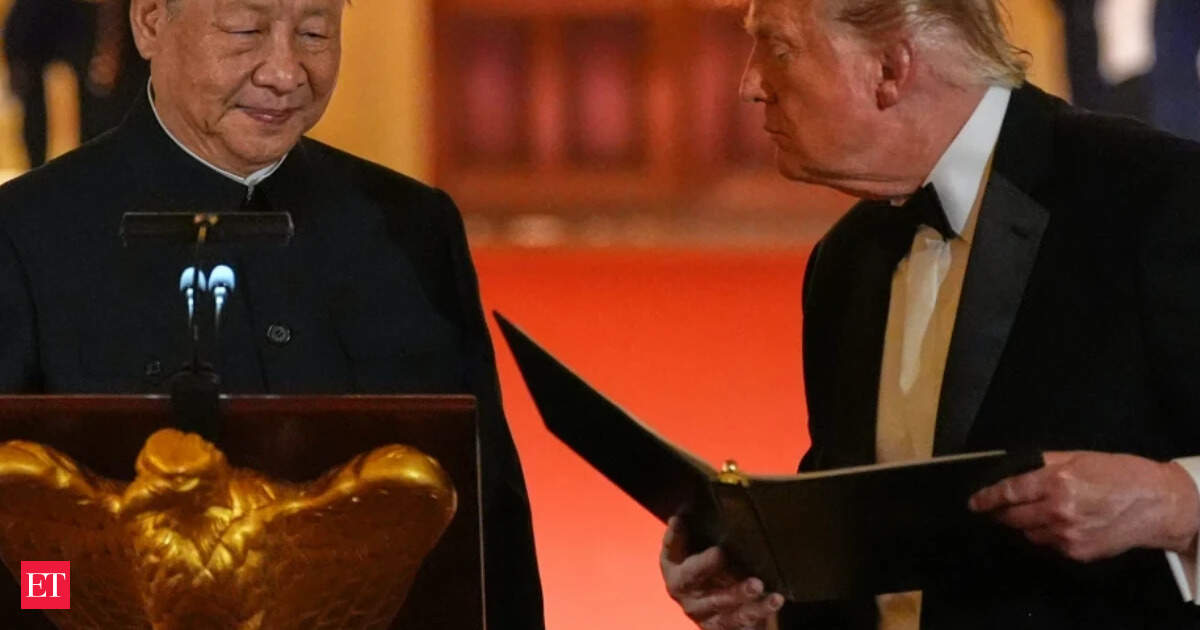
The U.S. and China have extended their trade truce through January 10, giving them more time to negotiate and reducing the risk of renewed tariff escalation. The American Soybean Association welcomed the extension, saying farmers hope for sustained Chinese purchases of U.S. soybeans and a lasting trade partnership. Progress on commitments involving soybeans, Boeing aircraft and rare earths remains uneven: China has bought nearly half of its pledged 25 million tons of soybeans, while aircraft orders are difficult to verify and rare-earth shipments have resumed but remain subject to delays and fluctuations. Analysts describe the truce as a limited stabilizer that keeps commerce moving, not a broader reconciliation, as both countries continue to protect strategic leverage.
Key Points
1
The Busan Agreement was reached by U.S. President Donald Trump and Chinese President Xi Jinping in South Korea in October 2025, after months of escalating tariffs and retaliatory measures. The truce had been due to expire on November 10 before the extension.
2
The aircraft commitment is for China to buy 200 Boeing planes. U.S. Trade Representative Jamieson Greer said about 140 aircraft were in a good state and orders for another 10 were being written, but details such as customers, models and delivery schedules had not been disclosed.
3
Chinese customs data cited in the reporting showed U.S.-bound rare-earth magnet shipments at 512 metric tons in August—20% below July and 13% below the same month a year earlier.
4
The truce matters to countries beyond the U.S. and China because a renewed trade fight could affect global shipping costs, factory input prices, technology supplies and consumer goods prices.
Sentiment
Mostly NegativeNEGATIVENEUTRALPOSITIVE
Publishers
19
Articles
11
Reach
30
A
AnonymousAuthor


