US, China Divided Over Trade Truce Extension
US, China Divided Over Trade Truce Extension
Anonymous
Key Points
1
Preparatory discussions on September 20 brought together U.S. Treasury Secretary Scott Bessent, U.S. Trade Representative Jamieson Greer and Chinese Vice Premier He Lifeng. Officials described the talks as productive but said they produced no major deliverables.
2
The current ceasefire caps tariffs imposed by both countries at approximately 20%, according to a report describing the agreements reached between 2025 and 2026.
3
Proposed Chinese purchasing commitments reportedly include 25 million metric tons of U.S. soybeans annually and more than 200 Boeing aircraft; another report says Beijing has met its annual soybean targets through 2028.
4
One account assessed China’s compliance with its rare-earth export commitments at roughly two-thirds of the agreed level, while describing current supply as satisfactory but below expectations.
5
The existing truce framework reportedly originated with the 2025 Busan deal, which paused major tariff escalations and export-control measures while the two sides negotiated agricultural trade, tariffs and mineral exports.
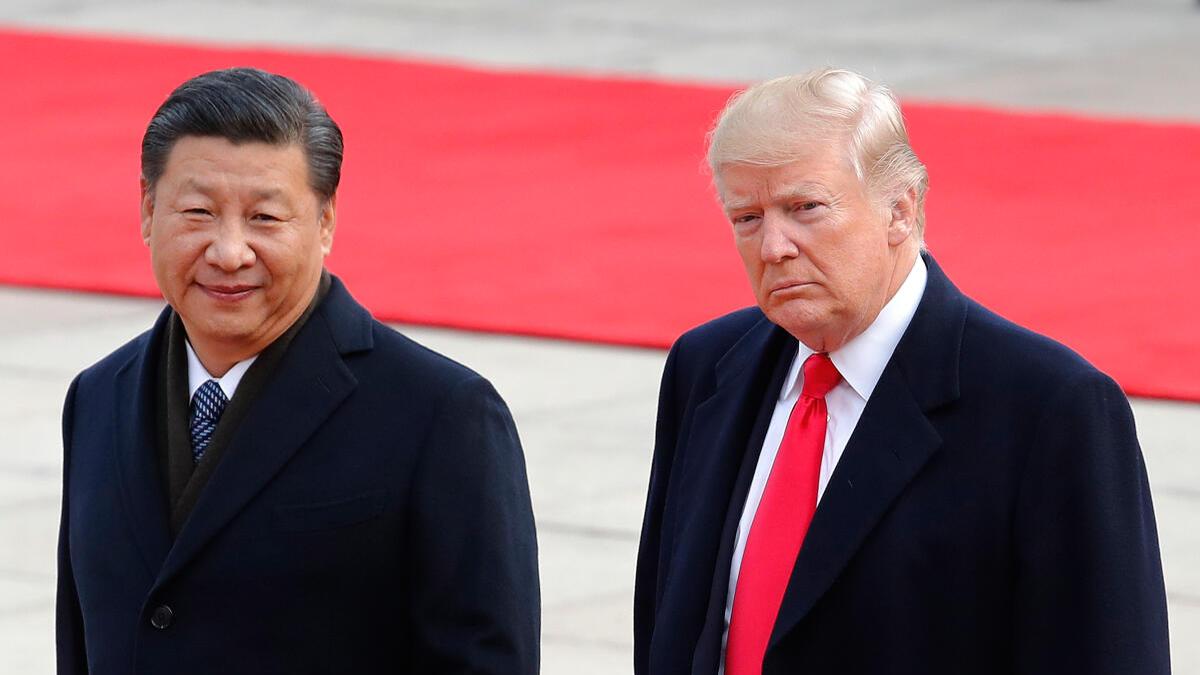
The United States and China are at odds over extending their tariff ceasefire, which expires November 10, just weeks before a crucial summit between President Trump and Chinese President Xi Jinping TheHindu. Washington wants a three- to six-month extension, while Beijing is pushing for a longer deal. USTR Jamieson Greer said the sticking points include China's track record on rare-earth minerals, technology controls, and how tariffs will drop in the future.
If no deal is reached, tariffs could jump back to higher levels and shake financial markets and businesses Moneycontrol. The two sides held talks on September 20 with Treasury Secretary Scott Bessent and China's Vice Premier He Lifeng, but left with no major breakthroughs Devdiscourse.
Current Truce Caps Tariffs Near 20%
The existing ceasefire, which started with the 2025 Busan deal, froze tariffs from both countries at roughly 20% Moneycontrol. This pause halted major tariff hikes and export controls while negotiators worked out details on farm trade, minerals, and semiconductors. Without a new agreement by November 10, both sides risk a return to higher, more damaging tariff rates.
Beijing Wants Rare-Earth Commitments Honored
China's rare-earth mineral shipments are currently running at about two-thirds of what was promised, though supply levels are described as adequate but below target Devdiscourse. These minerals are critical for U.S. defense, tech, and clean energy. USTR Greer flagged this gap as a top concern heading into final negotiations.
Agricultural Deals and Boeing Orders on the Table
China is reportedly agreeing to buy 25 million metric tons of U.S. soybeans yearly and over 200 Boeing aircraft Moneycontrol. However, one report notes Beijing has already met its annual soybean commitments through 2028, suggesting it may seek credit for past purchases. These trade flows are key to narrowing the trade gap between the two nations.
AI Cooperation and Semiconductors Emerge as New Focus
Beyond tariffs and minerals, the September 24 summit is expected to touch on semiconductors, technology restrictions, and potential AI collaboration TheHindu. JNUExpert Srikanth Kondapalli notes both sides want "constructive strategic stability." These areas represent a shift from pure trade disputes to broader technology and security issues that could shape U.S.-China relations for years.
Sentiment
Mostly NegativeNEGATIVENEUTRALPOSITIVE
Publishers
24
Articles
34
Reach
58
A
AnonymousAuthor


