Virginia Energy Roadmap Released
Virginia Governor Unveils New Energy Plan Balancing Data Center Demand and Net-Zero Goals
Anonymous
Key Points
1
Under the plan’s moderate-demand scenario, Virginia would need to triple its electricity load capacity by 2050.
2
The Virginia Clean Economy Act sets specific utility targets: Dominion Energy must reach 100% renewable electricity by 2045, while Appalachian Power has until 2050.
3
The plan drew on more than 3,000 public survey responses, six regional meetings, a town hall and 20 industry-specific listening sessions.
4
Virginia Energy Director Vince Maiden said the state established an in-house energy-modeling team, with its analysis reviewed by national-lab peers, university experts and independent consultants.
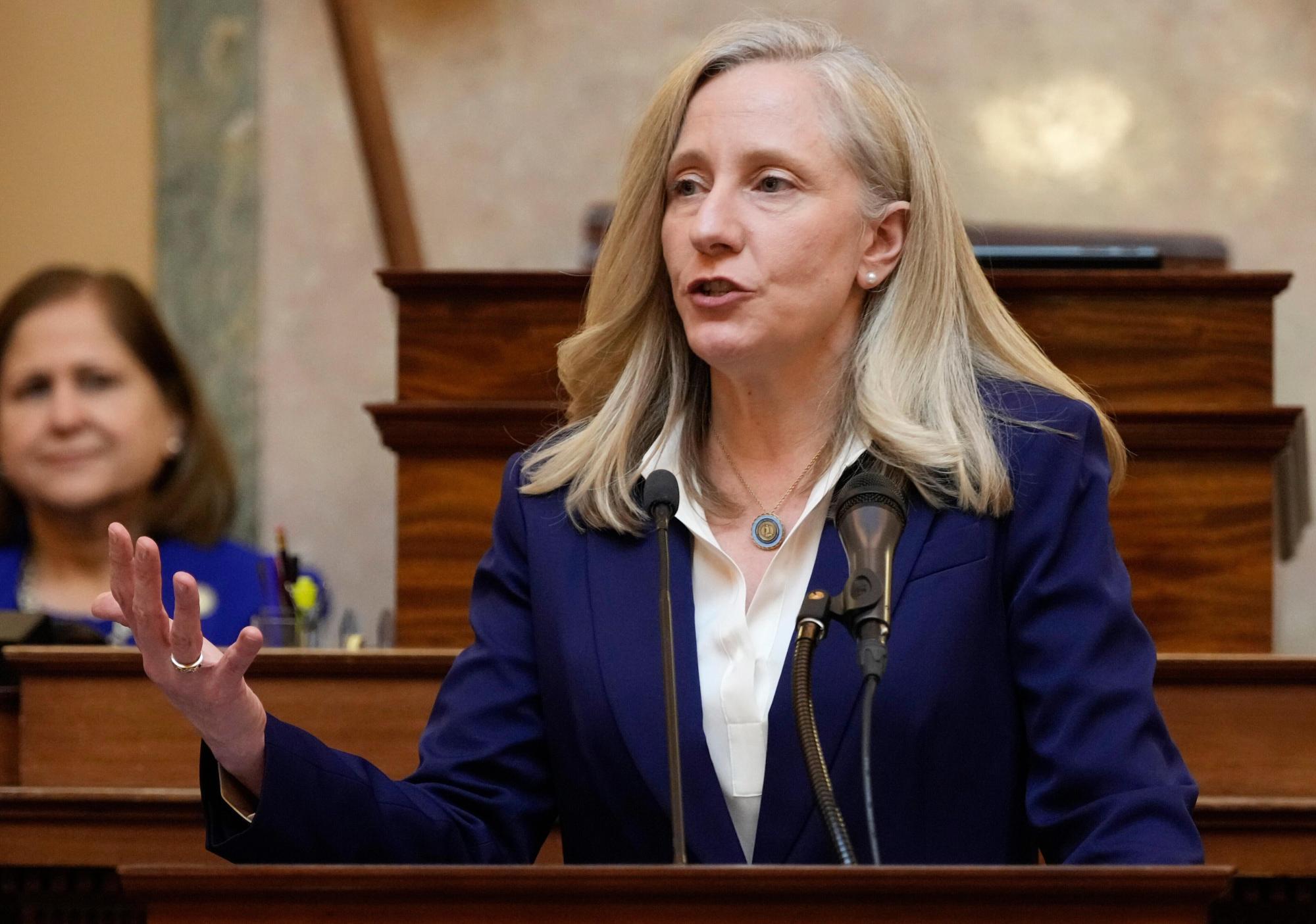
Virginia Governor Abigail Spanberger released the state's 2026 energy plan on October 1, a 192-page roadmap designed to meet surging electricity demand—largely from data centers—while keeping Virginia on track for a net-zero power sector by 2050. Royal Examiner reports the plan models five different pathways using energy efficiency, renewables, battery storage, and some natural gas, with the administration arguing clean-energy routes need not cost more than fossil-fuel alternatives.
The plan emerged after 3,000 public survey responses, six regional meetings, and 20 industry listening sessions. Daily Press notes the plan is required by law every four years. But Republicans immediately challenged the administration's cost estimates. Senator Mark Obenshain claims the plan could cost Virginians $127 billion more through 2050, while the state's own modeling suggests abandoning clean-energy commitments would trigger $145 billion in health damages from air pollution.
Data Center Growth Drives Demand for Triple Capacity
Virginia's electricity needs are climbing fast. Council for Alternative Fuels reports that under the plan's moderate-demand scenario, the state must triple its electricity load capacity by 2050. Most of that growth comes from data centers, which require constant, stable power. The plan acknowledges this reality and builds five modeled pathways to handle the surge without choosing a single fuel source.
Governor Spanberger stated the modeling "clearly demonstrated that there are multiple paths forward that would allow Virginia to meet our clean energy goals, strengthen our energy mix, and power growth, investment, and innovation." The administration established an in-house energy modeling team. Royal Examiner reports that national labs, university experts, and independent consultants reviewed the analysis.
Clean Energy Law Targets Face Republican Repeal Push
Virginia's 2020 Clean Economy Act sets specific utility targets: Dominion Energy must reach 100% renewable electricity by 2045, and Appalachian Power by 2050. The state also participates in the Regional Greenhouse Gas Initiative (RGGI), a multi-state carbon-reduction program. The new energy plan examines both keeping and dropping these commitments.
If Virginia abandoned these clean-energy requirements, state modeling shows emissions would nearly double over two decades and new pipelines would be needed. House Minority Leader Terry Kilgore called the plan "the strongest argument we've seen yet for repealing the Virginia Clean Economy Act." But Pilot Online reports that Delegate Rip Sullivan defended the policy, saying it would "wean Virginia off of expensive fuel, unpredictably priced fuel" and "make everyone's bills predictable and, of course, lower."
Cost Dispute Splits Administration and Republican Leaders
The sharpest disagreement centers on money. Spanberger's team says clean-energy pathways cost no more than fossil-fuel routes. Josephus Allmond, the Chief Energy Officer, described it as a "clean-first, least-cost" approach that keeps Virginia "resilient to changing market conditions."
Republicans reject those claims. Senator Obenshain said the plan could add $127 billion in net generation costs through 2050. He argued that "a modeled health-impact estimate does not erase the additional cost of generating electricity or demonstrate lower electric bills." NBC Washington reports the plan requires legislation to become policy, meaning the 2027 General Assembly will decide which pathway Virginia follows.
Sentiment
Mostly PositiveNEGATIVENEUTRALPOSITIVE
Publishers
26
Articles
11
Reach
37
A
AnonymousAuthor


