Stricter Data Center Regulations
States and Counties Across America Tighten Regulations on Growing Data Center Infrastructure
Anonymous

Key Points
1
California’s new laws shift data-center water and utility costs away from residential customers through tariff fees, special electricity rates and increased oversight by the Public Utilities Commission.
2
Sacramento Councilmember Mai Vang called for a city moratorium, saying the state measures do not adequately protect residents from potentially higher utility costs and community impacts.
3
Baltimore County’s extension gives officials additional time to evaluate a Data Center Study Report and develop regulations; nearby Harford County became Maryland’s first jurisdiction to ban data centers in June.
4
In Hancock County, the Planning and Zoning Commission had already rejected a rezoning request for a potential data center near Garner, but two commissioners were later disqualified because they live within Garner’s city limits, requiring the county to appoint replacements.
5
Cass County’s proposed rules would classify facilities by size and energy use, with the prohibited hyperscale category defined as at least 100,000 square feet and a 25-megawatt electrical load—roughly enough to power 19,000 homes for a year; remaining rules would address zoning, noise, water and environmental protections.
States and counties are tightening rules on data center development, shifting from competition for tech investment to strict oversight of energy use, water consumption, and grid strain. California Governor Gavin Newsom signed seven new laws requiring data centers to disclose environmental impacts, undergo environmental reviews, and help pay for grid upgrades and wildfire-related costs. Across the nation, local governments are imposing moratoriums, bans, and new operating rules—even as industry groups warn that tight regulations could push development away to less-regulated states.
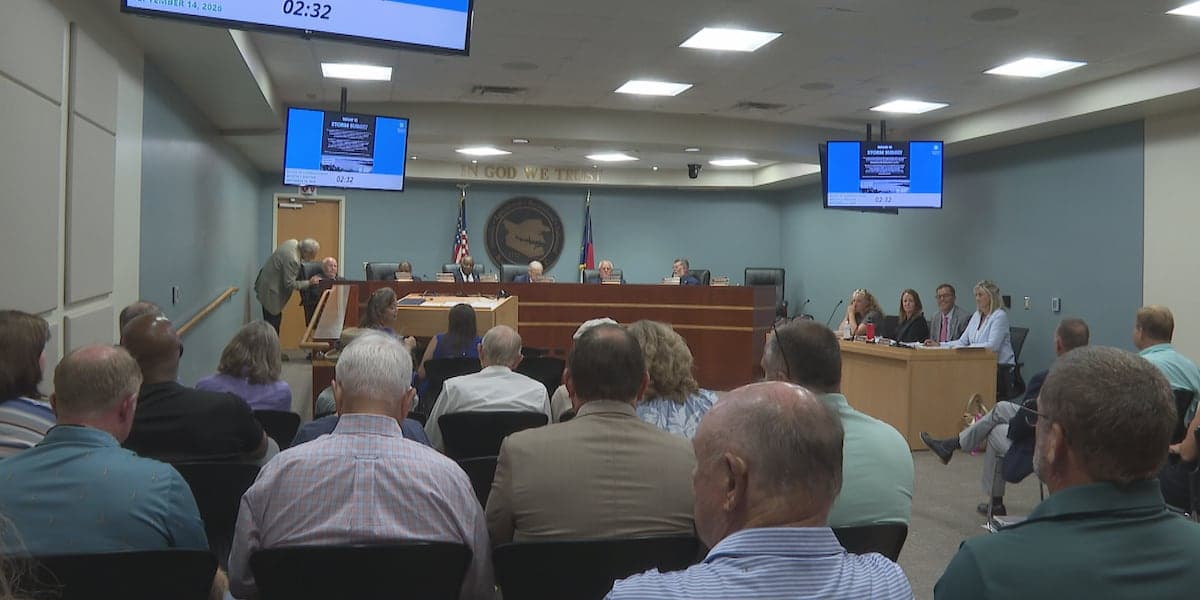
The shift reflects growing tension between tax revenue hopes and community concerns. Baltimore County extended its data center moratorium through 2027, while Harford County, Maryland became the first Maryland jurisdiction to ban them outright. Texas halted new permits pending audits of power and water resources. Meanwhile, Sacramento officials continue weighing a moratorium over water and air-quality fears, and residents in Candler County, Georgia remain divided over a proposed project near an airport.
California Signals National Shift on Data Center Costs
California's new laws mark a major reversal. Governor Newsom previously vetoed a water-disclosure bill over investment fears, but now signed seven bills that shift data center costs away from ordinary residents. Newsom stated: "With these laws, we are ensuring that Californians remain in the driver's seat — and that those profiting from data centers aren't doing so at our expense." The laws require disclosure of energy and water use, impose special electricity rates, and make data center operators help fund grid upgrades.
Sacramento Councilmember Mai Vang called for a local moratorium anyway, saying state measures don't fully protect residents from utility cost hikes and neighborhood damage. Environmental advocates view the package—including Senate Bills 886 and 1168, plus Assembly Bill 2383—as a national benchmark protecting ratepayers from absorbing costs of grid expansion needed solely for data centers.
Maryland and Nebraska Embrace Outright Bans
Harford County Executive Bob Cassilly proposed and achieved Maryland's first permanent data center ban in June 2026. Cassilly said: "Together we are protecting Harford's wonderful quality of life for our families and for future generations." The ban came after community resistance grew over land-use conflicts and resource demands. Just weeks later, Baltimore County Council voted unanimously to extend its moratorium through December 2027, giving officials time to evaluate impacts and draft regulations.
Baltimore County Councilman Izzy Patoka argued for the pause: "They don't create jobs, they use up enormous amounts of county resources. Personally, I think we should hit the pause button for a long, long time." Councilman Julian Jones added: "They've made it clear to me that they're not interested in data centers... I stand with the people." Meanwhile, Nebraska Governor Jim Pillen terminated state tax incentives for data centers, and Cass County Commissioners voted to prohibit hyperscale facilities—defined as 100,000 square feet with 25 megawatts of power draw, roughly enough to power 19,000 homes yearly.
Texas and Iowa Navigate Middle-Ground Approaches
Texas took a cautious step, halting new data center permits while officials audit grid and water resources. The pause buys time to assess whether existing infrastructure can handle the expansion wave without straining power supply or depleting aquifers. Hancock County, Iowa pursued a similar deliberate path, declining an outright moratorium while drafting comprehensive zoning and environmental rules. However, procedural hurdles emerged: two planning commissioners were disqualified because they live within the city limits of Garner, requiring the county to appoint replacements and restart the rezoning process.
These middle-ground approaches reflect the political tension facing rural counties. Cass County Commissioner Duane Murdoch summed up community sentiment bluntly: "We just don't want it." Yet local officials also recognize that bans or strict rules risk losing tax revenue and economic activity. Cass County's framework classifies facilities by size and energy use, permitting smaller operations while blocking hyperscale ones—providing a template other rural jurisdictions may adopt.
Industry Warns of Capital Flight and Regulatory Uncertainty
Industry groups argue that strict regulations, lengthy environmental reviews, and new tariff surcharges create unpredictable conditions that push investment elsewhere. They point to federal ambitions: former President Donald Trump called AI infrastructure the "oil of the next 20, 25 years," signaling that Washington views data center expansion as critical to national competitiveness. This federal-state clash reflects a fundamental disagreement over who bears the costs of rapid technology growth.
State and local leaders counter that residents should not subsidize private data center profits. Sacramento, Richmond, California, and Baltimore County residents have voiced strong opposition, viewing data centers as resource extraction with few local jobs but heavy water and electricity demands. Montana's 2025 Right to Compute Act further complicates matters by limiting municipal authority over digital infrastructure, tilting power back toward state and federal favor of expansion.
Sentiment
Mostly NegativeNEGATIVENEUTRALPOSITIVE
Publishers
52
Articles
59
Reach
111
Topics
A
AnonymousAuthor