Zero-Trust Security
How a zero-trust security approach can help protect against modern cyberattacks and scams.
Anonymous
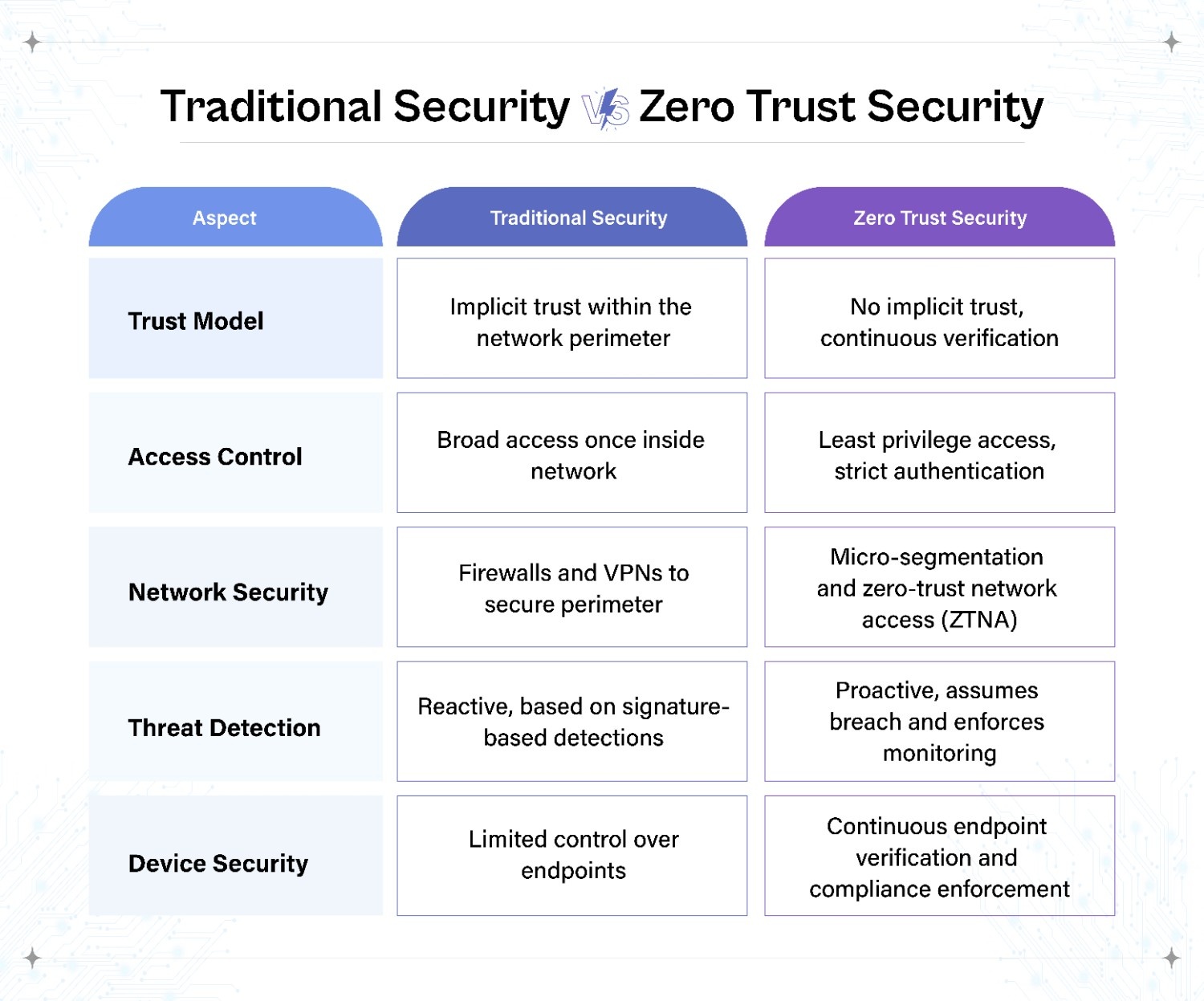
Ransomware attacks and AI-powered scams are threatening older adults, families, and businesses with unprecedented speed and realism. WCAX reports that malicious software can lock users out of their data until a ransom is paid, while spoofed phone numbers and artificial intelligence make scams sound completely authentic. Gerontologist Sam Cradduck says the answer lies in adopting a "zero-trust" mindset: give no one trust until you verify their identity yourself.
Cradduck notes that scammers exploit the trust instinct, especially in people raised to believe authority figures. Fox8Live explains that one wrong click or call can drain savings or lock up critical files. To fight back, families need new safety habits—like establishing a family safe word to verify urgent requests before handing over money or information.
How AI Makes Scams Sound Real
Voice-cloning technology and artificial intelligence have transformed how scammers operate. WVVA reports that attackers now use spoofed phone numbers to impersonate loved ones or officials. The fake voices sound natural. The backstory fits. Victims believe they are helping a family member in crisis or complying with a bank request. Traditional security training—learning to spot fake grammar or odd phrasing—no longer works when AI can replicate authentic speech patterns perfectly.
Zero-Trust Means Never Assume Identity
Zero trust is a security principle borrowed from corporate IT but now essential for everyday life. It means: give nobody trust until you independently verify who they are. WLBT explains that this approach feels uncomfortable for many people. Hanging up and calling back using a stored phone number feels rude. Asking for a safe word feels paranoid. But in an era of perfect fakes, verification is the only defense that works.
Practical Family Safety Habits Protect Everyone
Cradduck recommends concrete steps families can take today. WNEM highlights establishing a pre-agreed family safe word—a secret phrase only real family members know. If someone calls claiming your grandchild needs money, ask for the safe word before sending anything. WKYT adds that families should never wire money based on a phone call alone. Always hang up, call back using a number you have stored, and verify the request directly.
Businesses face the same risks. WIBW reports that remote workers and small teams should require out-of-band verification for any urgent wire requests or system changes. KLTV notes that backing up critical files offline—keeping copies separate from your main computer—protects against ransomware that locks data for ransom. These habits take time but stop scams before money moves.
Why Trust Instincts No Longer Work
Cradduck points out a cultural reality: older adults were raised to trust voices that sound official. A caller claiming to be from the bank, the IRS, or a utility company would never lie. FoxCarolina reports that scammers exploit this deep social conditioning deliberately. They research victims on social media, learn family names and recent events, and construct scenarios so believable that logic fails. WBTV confirms that no amount of listening—no gut feeling—can reliably spot a deepfake voice.
The solution requires accepting friction. KTTC states that hanging up mid-conversation to verify a caller's identity feels rude but saves lives and savings. KKTV reinforces that families adopting zero-trust protocols together—creating safe words, agreeing to call-back procedures—build a shared defense against manipulation. Security requires structure, not instinct.
Sentiment
NeutralNEGATIVENEUTRALPOSITIVE
Publishers
36
Articles
37
Reach
38
A
AnonymousAuthor


