Strait of Hormuz Risks
US Limits Tanker Protection in Strait of Hormuz Amid Persistent Attacks
Anonymous
Key Points
1
Iran effectively closed the Strait of Hormuz during the opening days of the war, using the resulting global economic shock as leverage, while continuing to export much of its own oil to China.
2
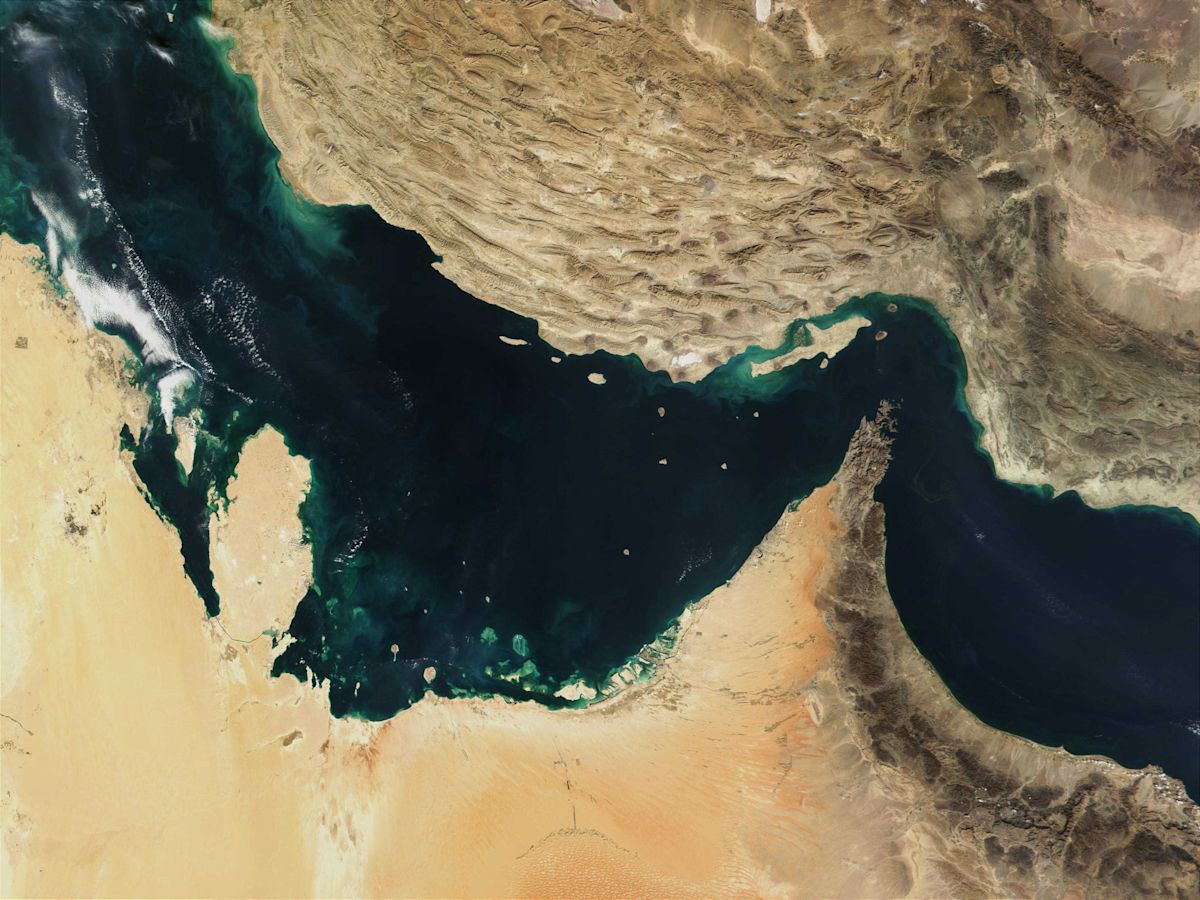
The strait carries roughly one-fifth of the world’s traded oil and gas during peacetime, underscoring the potential global impact of disruptions there.
3
Mona Yacoubian of the Center for Strategic and International Studies said Iran has shown no sign of backing down and may escalate across multiple fronts, adding that the war is likely to be prolonged with no clear victor.
4
The Strait of Hormuz’s operation depends not only on military control but also on commercial systems such as trust, risk pricing, financing and insurance; the article compares this challenge with the 1956 Suez Canal crisis, when control of a strategic waterway did not by itself resolve broader political and commercial risks.
The United States has cut air-defense protection for oil tankers in the Strait of Hormuz down to two narrow time windows each day, Bloomberg and Times of Israel reported. The dramatic shift comes after Iran ramped up nighttime attacks on cargo ships. While the US says it has cleared mines and reopened the waterway, the time-limited escort windows signal that military forces cannot eliminate the threat around the clock.
The restrictions hit a critical chokepoint: the Strait of Hormuz carries roughly one-fifth of the world's traded oil and gas. With elevated insurance costs, ongoing attacks, and diplomatic talks stalled since June, the waterway remains physically open but commercially fragile. Analysts warn that keeping ships safe on paper does not solve the deeper problem — no major shipper, insurer, or lender wants to risk their money in an active war zone.
Iran's Nighttime Assault Forces Military Retreat
Iran responded to the US-Israeli campaign launched in February by turning the Strait of Hormuz into a shooting gallery after dark. Bloomberg reported that the US Maritime Coordination Center cut escort windows to just two daily slots after Iran escalated nighttime strikes on passing vessels. Gulf states and shipping firms are already rerouting around Iranian-controlled waters, abandoning the protected corridor along the Omani coast.
The shift reveals a hard limit on military power. Even with air defenses and patrol ships, the US cannot guarantee safe passage 24/7 across 34 miles of contested waterway. Tanker captains and owners now face a stark choice: depart during the two protected windows and accept scheduling chaos, or risk the voyage outside them and absorb eye-watering insurance premiums.
A Waterway Held Hostage by Political Deadlock
Reopening the strait physically does not reopen it commercially. Center for Strategic and International Studies analyst Mona Yacoubian warned that Iran shows no sign of backing down and may escalate across multiple fronts, with no clear victor in sight. A June ceasefire agreement already collapsed. Meanwhile, Iranian President Masoud Pezeshkian has signaled willingness to reopen the strait — but only if the US lifts its naval blockade of Iranian ports and accepts Tehran's terms, Yahoo News reported.
The real problem sits not in naval hardware but in trust. Insurers, lenders, shipowners, and crews must believe that the corridor will remain safe tomorrow. Elevated premiums, financing delays, and scheduling uncertainty drive shippers toward longer but safer routes — even if it costs more. As one analyst noted, the 1956 Suez Canal crisis showed that military control of a waterway does not by itself restore confidence in normal commerce.
Oil Markets Brace for Prolonged Uncertainty
Crude oil prices have climbed above $100 a barrel and diesel costs hit record highs, partly because Houthi allies of Iran continue attacking Saudi shipping and partly because Iranian exports remain drastically reduced. Times of Israel noted that Iran strangled the strait at the opening of the conflict, using the global shock as leverage while still exporting much of its own oil to China. Even partial or fragile access to the waterway keeps a war premium embedded in energy prices.
Economic pressure alone may not break the impasse. Iranian leaders may view further retaliation as preferable to surrender when political survival hangs in the balance. With no clear US exit strategy and diplomatic channels frozen, analysts expect the conflict to drag on — keeping insurance costs high, shipping routes disrupted, and global energy markets volatile for months to come.
Sentiment
Mostly NegativeNEGATIVENEUTRALPOSITIVE
Publishers
31
Articles
52
Reach
83
Topics
A
AnonymousAuthor