US Sanctions Disrupst Iranian Aviation
New US Sanctions on Iranian Airlines Disrupt Regional Travel and Flights
Anonymous
Key Points
1
The U.S. said the sanctions are part of its “Operation Economic Outcast” campaign and accused Iran’s aviation sector of being used to transport weapons, personnel and other cargo linked to the Iranian government.
2
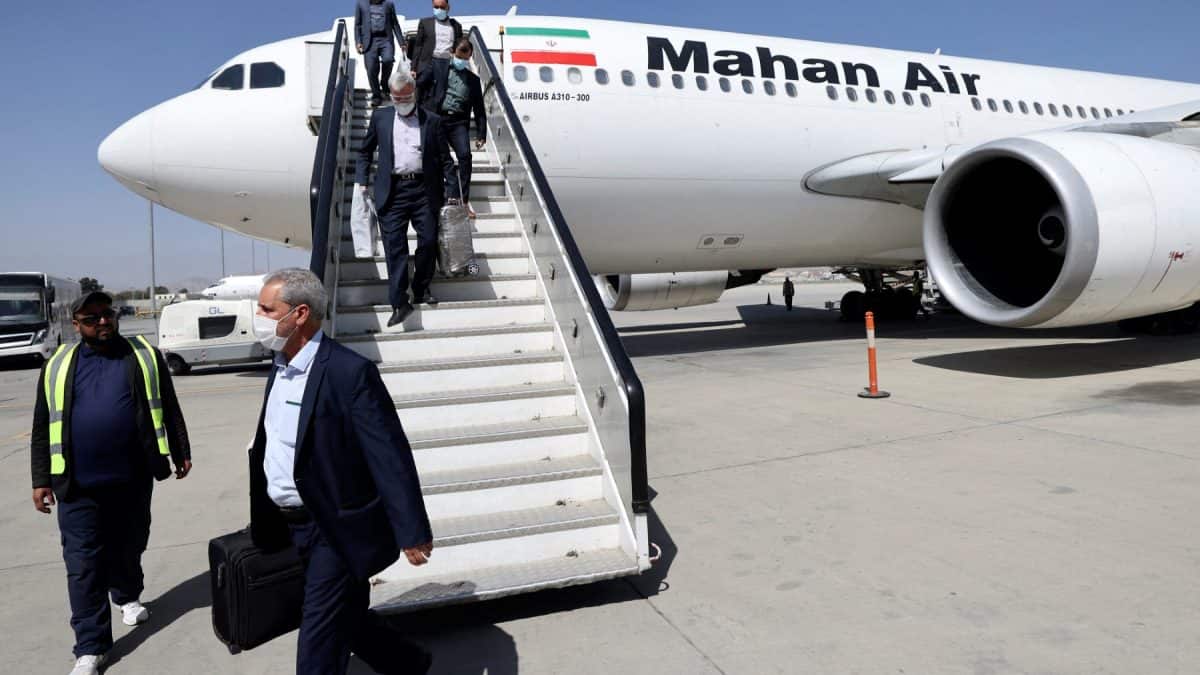
Mahan Air suspended international flights to Istanbul, Ankara and Muscat, while flights to Baghdad were canceled and Iranian officials said some Baghdad-bound services could instead be redirected to Najaf.
3
Iranian security official Mohsen Rezaei said, “If neighboring countries cooperate with the United States in stopping Iranian flights, their airports will not be able to operate either,” but did not explain how Iran might disrupt those airports.
4
Rezaei linked Iran’s airport warning to broader demands involving negotiations with Washington and the reopening of the Strait of Hormuz, saying Tehran had given the United States four to five days to respond to its conditions.
5
The sanctions were announced by the U.S. Treasury on Sept. 8 under Executive Order 13902, which designated the 27 airlines for operating in Iran’s aviation sector within the broader action against 36 aviation-related targets.
The US imposed sweeping sanctions on 27 Iranian airlines on September 23, threatening foreign companies that service them with exclusion from the dollar-based financial system. Travel and Tourism World reported that the restrictions have already disrupted major routes to Baghdad and Muscat, while services to Turkey, Georgia, and Azerbaijan face severe pressure. Travelers are increasingly crossing borders by land through Turkey and Armenia instead, making journeys longer and more expensive.
Iran's security official Mohsen Rezaei fired back with a direct threat: neighboring countries that enforce the restrictions will face airport disruptions, First Post reported. The warning signals Tehran's willingness to escalate the dispute beyond aviation, linking the sanctions to broader demands involving negotiations with Washington and reopening the Strait of Hormuz.
The US Labels Iranian Aviation a Weapons Pipeline
The Treasury Department announced the sanctions on September 8 under Executive Order 13902, targeting 36 aviation-related entities and individuals. The US accused Iran's aviation sector of transporting weapons, personnel, and cargo for the Iranian government. The broader "Operation Economic Outcast" campaign aims to choke off Iran's international air connections and force foreign companies to choose between serving Iranian airlines or accessing US financial markets.
Major Airlines Ground International Routes Overnight
Mahan Air, Iran's largest private carrier, suspended flights to Istanbul, Ankara, and Muscat immediately after the sanctions took effect. Travel and Tourism World reported that flights to Baghdad were canceled entirely, with Iranian officials suggesting rerouting to Najaf instead. The rapid shutdowns have stranded passengers and disrupted business travel across the Middle East and Turkey.
Travelers Shift to Slower, Costlier Land Routes
With airlines grounded, Iranians are increasingly crossing borders by car and bus through Turkey and Armenia. Head Topics noted that Turkey's Gürbulak border crossing has become an economic lifeline as the US blockade halts imports and oil sales. These overland journeys take days instead of hours and cost significantly more, adding financial pressure on families and businesses already squeezed by sanctions.
Iran Threatens to Shut Down Regional Airports in Retaliation
Mohsen Rezaei, Iran's security chief, warned that if neighboring countries help enforce the restrictions, "their airports will not be able to operate either," according to First Post. He did not explain how Iran might disrupt those airports. Rezaei linked the threat to broader demands including negotiations with Washington and reopening the Strait of Hormuz, claiming Tehran gave the US four to five days to respond.
Sentiment
Mostly NegativeNEGATIVENEUTRALPOSITIVE
Publishers
24
Articles
40
Reach
64
A
AnonymousAuthor


