Expanded U.S. Sanctions
Countries suspend flights by Iranian airlines following expanded United States aviation sanctions.
Anonymous
Key Points
1
A Tehran travel agent said the situation was so unstable that the agency had stopped selling tickets temporarily for fear of cancellations.
2
China opposed the U.S. sanctions, calling them illegal; meanwhile, tracking data showed a Mahan Air flight reaching Guangzhou after the new measures took effect.
3
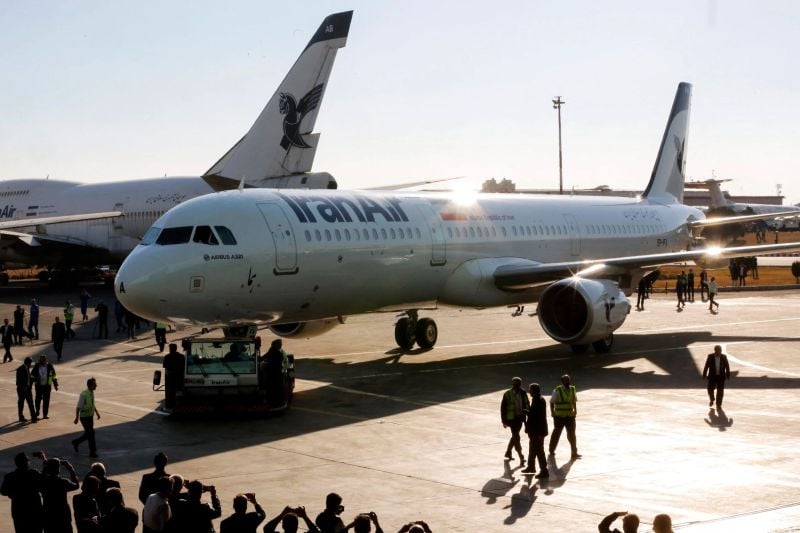
Iran has 27 airlines, most of which operate domestic routes; Iran Air and Mahan Air are the two main carriers serving international destinations.
4
Mahan Air said it had suspended services to Turkey at the Turkish government's request, while other flights to Istanbul were still scheduled.
The United Arab Emirates suspended all flights by Iranian airlines on September 24, joining at least seven countries that have halted or restricted Iran's international routes. U.S. Treasury Secretary Scott Bessent vowed to shut down Iranian carriers by threatening secondary sanctions against any airport, fuel supplier, or ticket agency that serves them, stating: "When Iranian airlines land at an airport, you cannot provide them with fuel, you cannot provide them with landing services, you cannot sell them tickets, or you will be knocked out of the dollar system."
The suspensions affect routes to Baghdad, Muscat, Doha, Istanbul, Tbilisi, and Baku, leaving Iranian travelers stranded and Iranian Civil Aviation Organization officials scrambling to reroute flights through Iraq. However, China openly defied the U.S. measures, allowing Mahan Air to land in Guangzhou and continuing regular service to Shanghai.
How U.S. Secondary Sanctions Forced Global Compliance
On September 21, Treasury Secretary Bessent announced Washington would impose secondary sanctions on foreign companies starting September 23, effectively banning anyone from fueling, servicing, or ticketing Iranian planes without losing access to the dollar system. Iraq, Oman, Turkey, Qatar, Georgia, and Azerbaijan all complied within days, halting Iranian flights to protect their own banking ties to America.
The strategy targets not Iran Air or Mahan Air directly—both already faced U.S. sanctions for years—but the third-party fuel trucks, ground crews, and ticket agents that keep international flights running. A Tehran travel agent told AFP the situation was so unstable that the agency stopped selling tickets temporarily for fear of last-minute cancellations.
Iran's 27 Airlines Lose Half Their Routes Overnight
Iran operates 27 airlines, but only two—Iran Air and Mahan Air—handle major international routes. The suspensions eliminate service to key regional hubs, disrupting Middle Eastern trade and stranding religious pilgrims traveling to Shiite holy sites in Najaf and Karbala. The Civil Aviation Organization confirmed that Muscat and Baghdad airports stopped accepting Iranian passengers starting September 23.
Iranian authorities scrambled to find workarounds. Flights destined for Baghdad are being rerouted through Najaf, a smaller Iraqi city. State media reports also mention plans to use lesser-known carriers like Varesh Airlines to skirt secondary sanctions, though their capacity remains minimal.
China Defies U.S. Sanctions, Welcomes Iranian Flights
While the Middle East and Caucasus buckled under pressure, China rejected the U.S. measures as illegal overreach. Chinese officials openly defended economic ties to Tehran, and flight-tracking data showed a Mahan Air flight landing in Guangzhou on September 23, the very day secondary sanctions took effect. Regular departures to Shanghai continued uninterrupted.
The contrast reveals the limits of U.S. leverage over nations outside the dollar-dependent financial system. Beijing's willingness to welcome Iranian aircraft undercuts Washington's goal of total isolation, offering Tehran a critical lifeline to Asia even as Middle Eastern airports shut their gates.
A Travel Crisis Deepens Regional Economic Pain
The flight bans create cascading losses: airports lose landing fees and refueling revenue, Iranian carriers hemorrhage ticket sales, and thousands of passengers face stranded bookings. Middle Eastern hubs that relied on Iranian transit traffic—already weakened by seven months of U.S.-Israeli military operations—now face further revenue collapse. Iraqi and Omani officials confirmed the suspensions will remain in place indefinitely to avoid dollar-system penalties.
Sentiment
Mostly NegativeNEGATIVENEUTRALPOSITIVE
Publishers
56
Articles
89
Reach
145
A
AnonymousAuthor


