U.S.-Venezuela Oil Deals Signal Hemisphere Energy Shift
U.S.-Venezuela Oil Deals Signal Hemisphere Energy Shift
Anonymous
Key Points
1
The NABEP arrangement reportedly involves 100-year concessions covering 17 fields with about 65 billion barrels of proven reserves, most of them in Venezuela’s Orinoco Belt.
2
Several of the fields included in the NABEP deal are reportedly operated by Chinese or Russian companies in partnership with Venezuela’s state oil firm, PDVSA, potentially creating legal and diplomatic resistance from Beijing and Moscow.
3
Executive Order 14373, issued on January 9, 2026, reportedly invokes the International Emergency Economic Powers Act to place Venezuelan oil exports under U.S. control and protect oil proceeds from creditors; Venezuela is reported to owe roughly $15 billion to China, $3 billion to Russia and $2 billion to Brazil.
4
Venezuela’s oil production peaked at roughly 3.5 million barrels per day in 1997 before falling below 1 million barrels per day during much of 2025, underscoring the scale of the recovery required for the new agreements to meet their targets.
5
The proposed electricity response includes restarting existing generation assets within six to 12 months, adding 1 gigawatt of capacity within two years and a further 5 gigawatts over the following four years, according to an announcement involving GE Vernova and U.S. Energy Secretary Chris Wright.
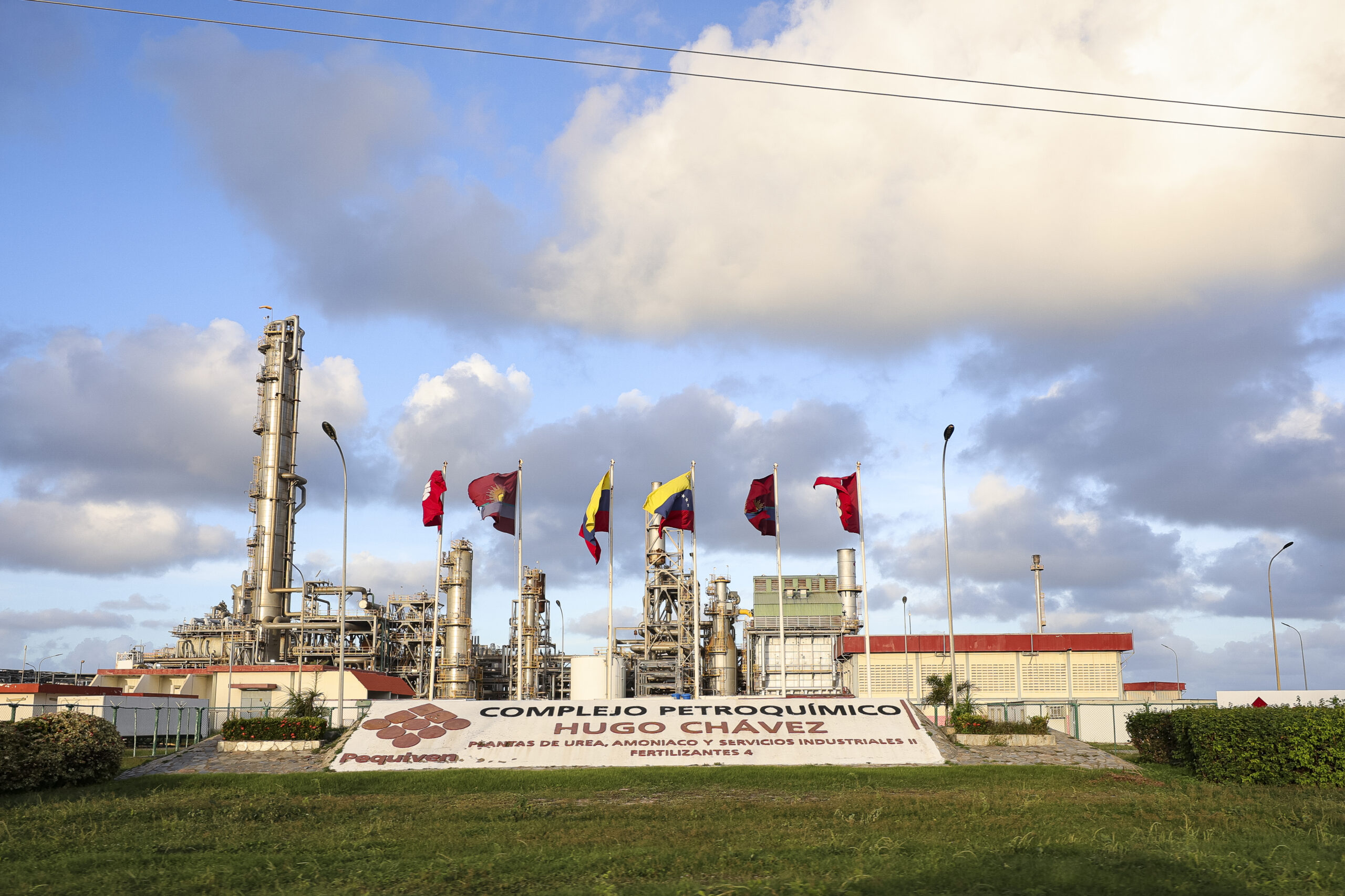
The United States has secured unprecedented control over Venezuela's vast oil reserves through a controversial partnership announced by President Trump. The Week reported that the deal gives America majority control over 65 billion barrels of crude at 17 sites across Venezuela's oil-rich Orinoco Belt. The agreement, involving the newly formed North American Blue Energy Partners (NABEP), represents a dramatic shift in hemispheric energy policy after years of U.S. sanctions had crippled Venezuelan production to below 1 million barrels per day.
The arrangement includes 100-year concessions and reportedly grants the Pentagon a 35% ownership stake, according to Struggle La Lucha. Energy Intel noted the deal also secures preferential rights to Venezuelan oil exports and long-term development rights. The controversial package comes as Venezuela grapples with a collapsing electricity grid—a 2,000-megawatt shortfall that threatens oil production expansion and has sparked government-mandated rolling blackouts.
Pentagon Ownership Creates Unprecedented Military Role
The deal grants the U.S. Department of War (formerly Defense Department) a 35% equity stake in NABEP, marking the first time the Pentagon has owned a commercial oil company stake, according to Struggle La Lucha. Secretary of State Rubio and Secretary of War Hegseth negotiated the agreement with Venezuelan officials. NY Sun reported the arrangement gives America financial control over the 65-billion-barrel reserve, raising questions about how proceeds will be distributed to Venezuela and other stakeholders.
Chinese and Russian Interests Complicate Field Control
Several fields covered by the NABEP concessions are currently operated by Chinese or Russian companies in partnership with Venezuela's state oil firm, PDVSA. Eurasia Review noted the arrangement could face resistance from Beijing and Moscow. Venezuela reportedly owes China roughly $15 billion, Russia $3 billion, and Brazil $2 billion—debts that complicate questions about who controls oil revenue and how creditor claims will be settled.
Power Generation Crisis Threatens Production Targets
Venezuela's electricity grid faces a structural shortfall of about 2,000 megawatts, requiring immediate intervention to support oil operations. Energy Secretary Chris Wright announced a partnership with GE Vernova to restart existing power plants within six to 12 months and add 1 gigawatt of new capacity within two years. An additional 5 gigawatts would be added over the following four years, according to the plan unveiled by U.S. officials.
Reversing Decades of Production Collapse
Venezuelan oil output peaked at 3.5 million barrels per day in 1997 but fell below 1 million barrels daily throughout much of 2025. The new agreements target a dramatic recovery, with Chevron pursuing a separate $7 billion investment plan to roughly double its Venezuelan output. The scale of revival required suggests the accords hinge entirely on reversing years of infrastructure decay and political instability that devastated the energy sector.
Sentiment
Mostly NegativeNEGATIVENEUTRALPOSITIVE
Publishers
14
Articles
1
Reach
15
A
AnonymousAuthor


