Venezuela G20 Energy Talks
Venezuela Set to Join G20 Energy Summit as U.S. Seeks Reserves
Anonymous
Key Points
1
Venezuela is not one of the G20’s 20 largest economies, making its invitation a politically significant move that offers Caracas greater visibility, access and diplomatic standing; the United States, as this year’s G20 chair, has authority to invite nonmember countries.
2
The administration’s recently announced oil arrangement would give the United States a 35% equity stake in North American Blue Energy Partners and the right to buy 20% of its Venezuelan crude production at cost from fields estimated to hold about 65 billion barrels of proven reserves.
3
Interior Secretary Doug Burgum described the strategy as shifting the geopolitical center of oil toward the Western Hemisphere amid Middle East disruptions, while the Houston meetings also include major economies such as China, India, Japan and Germany and producers including Canada and Saudi Arabia.
4
The summit is taking place as Europe struggles to refill gas storage facilities ahead of winter and as U.S. fuel costs rise: diesel has reached an average of $6.20 per gallon, while regular gasoline is 44% more expensive than before the war.
5
The administration’s broader Venezuela policy includes encouraging expanded mineral development under interim President Delcy Rodríguez and pressing oil companies to increase production after the U.S. capture of Nicolás Maduro in January.
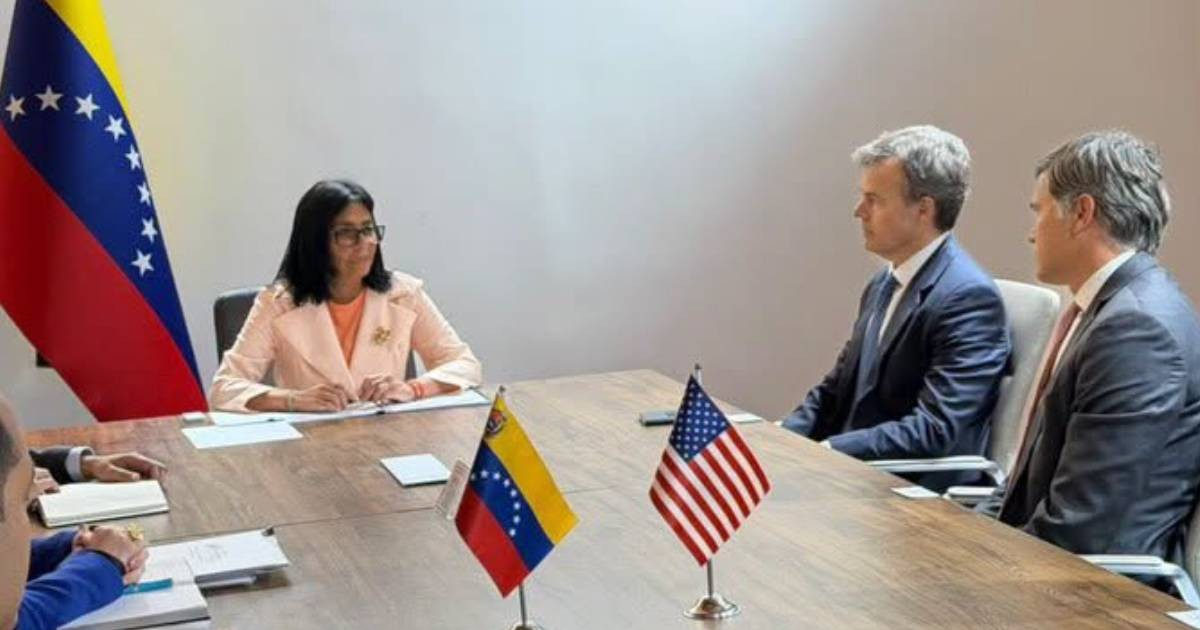
Venezuela is sending energy officials to the G20 energy ministerial in Houston at the Trump administration's invitation, marking a significant diplomatic shift between Washington and Caracas. MyMyanmarTV reported that the Venezuelan delegation, led by hydrocarbons minister Paula Henao, will participate in bilateral meetings and industry discussions, though not formal closed-door sessions. The move signals the administration's push to access Venezuela's 65 billion barrels of proven oil reserves and boost production as Middle East conflicts disrupt global energy supplies.
The outreach comes as fuel costs climb across America and Europe scrambles to refill gas storage before winter. CubaHeadlines reported that the White House expects Venezuela to finalize new oil agreements with U.S. companies during the Houston summit. Under a recently announced arrangement, the United States will gain a 35% stake in North American Blue Energy Partners and the right to buy 20% of Venezuelan crude at cost, though analysts warn that ramping up production would take years.
Why Venezuela Gets a G20 Seat at the Table
Venezuela is not among the G20's 20 largest economies, making this invitation politically significant. Free Malaysia Today noted that the United States, as this year's G20 chair, has the authority to invite nonmember countries to the summit. The move grants Caracas greater visibility, diplomatic access, and standing on the world stage while allowing Washington to pursue energy cooperation directly.
America's New Oil Deal With Venezuela
The administration announced an arrangement giving the United States a 35% equity stake in North American Blue Energy Partners. MyMyanmarTV reported that the deal also grants Washington the right to purchase 20% of Venezuelan crude production at cost from fields holding approximately 65 billion barrels of proven reserves. en.CiberCuba reported that Continental Resources, a major U.S. oil company, has signed deals for oil and gold extraction in Venezuela under the new framework.
Energy Crisis Pushing Western Hemisphere Strategy
Rising fuel costs are putting pressure on the administration to secure stable energy supplies. Diesel prices have reached an average of $6.20 per gallon, while regular gasoline costs 44% more than before the war. teleSUR English reported that Interior Secretary Doug Burgum described the strategy as shifting the geopolitical center of oil toward the Western Hemisphere to offset Middle East disruptions and stabilize global energy markets.
Houston Summit Brings Major Economies Together
The G20 energy ministerial in Houston includes major economies like China, India, Japan, and Germany alongside major oil producers including Canada and Saudi Arabia. Interior Secretary Doug Burgum and Energy Secretary Chris Wright are heading the U.S. delegation. The summit reflects broader administration efforts to encourage Venezuela to expand mineral development and oil production under interim President Delcy Rodríguez, following the January capture of former leader Nicolás Maduro.
Sentiment
Mostly NegativeNEGATIVENEUTRALPOSITIVE
Publishers
18
Articles
35
Reach
53
A
AnonymousAuthor


