Bonds weather inflation uncertainty
Treasury yields remain stable as strategists predict Fed rate cuts within a year despite inflation concerns
Anonymous
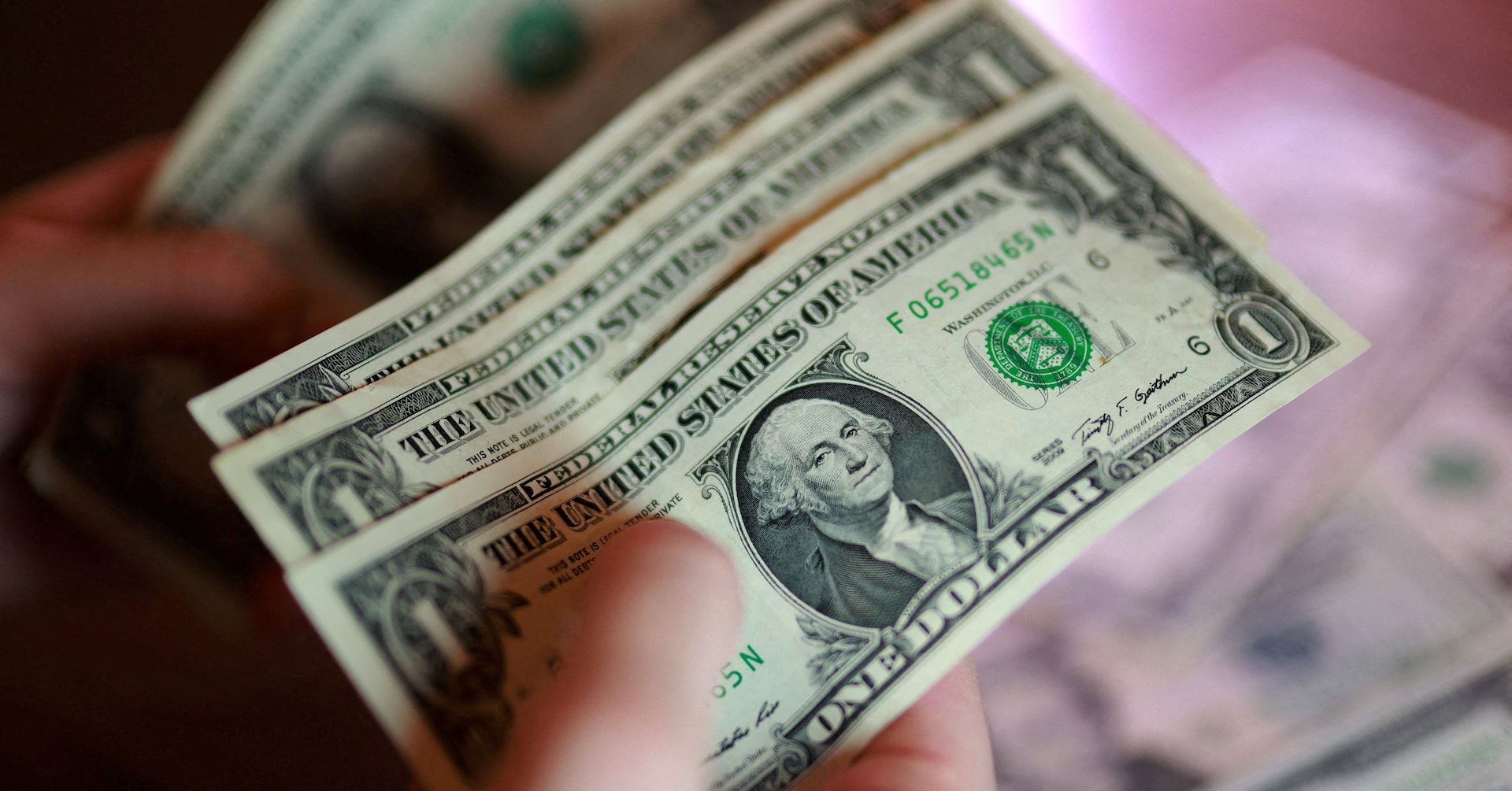
War fears and rising inflation have done little to rattle bond strategists. A Reuters survey found that most experts still expect U.S. Treasury yields to fall over the next year, even as the U.S.-Israeli conflict with Iran drives fresh concerns about prices. Reuters reported that the rate-sensitive two-year yield, now at an 18-month high, is forecast to drop to 4.20% in three months.
The 10-year Treasury note's pricing was seen as roughly fair by most analysts surveyed. About 70% said current yields were too low, while four out of eight said they were too high — a split that shows just how uncertain the market is right now, according to Reuters.
Two-Year Yield Expected to Fall Steadily
The two-year Treasury yield is a key signal for where interest rates are headed. Right now it sits at an 18-month high. But bond strategists expect it to slide to 4.20% in three months, then to 3.90% in six months, and finally to 3.85% in one year, according to Reuters. That steady drop suggests experts believe the pressure will ease — even if it takes time.
The move lower would only happen if the Federal Reserve starts cutting interest rates. But that may not come soon. Joseph Purtell, a portfolio manager at Neuberger Berman, told Reuters that he expects the Fed "to remain on hold well into next year." That means borrowing costs could stay high for longer than many had hoped.
Iran Conflict Stirs Inflation Fears, Not Panic
The renewed U.S.-Israeli military action against Iran has rattled energy markets and raised fears about rising prices. Higher oil costs typically push inflation up. But most bond strategists surveyed by Reuters say those fears have not changed their outlook on Treasury yields by much. The market, for now, is holding steady.
Still, some analysts warn that inflation risks are being underpriced. If oil prices spike sharply or the conflict spreads, that math could change fast. Fresno Bee noted that increased inflation risks have not significantly moved most expert forecasts — but the word "most" leaves room for surprise.
10-Year Note Seen as Fairly Priced — Barely
The 10-year Treasury note is the benchmark bond that affects mortgage rates, car loans, and business borrowing across the U.S. Analysts are split on whether its current price is right. About 70% said the yield was too low — meaning the market may not be fully pricing in risk, according to Reuters.
Four out of eight respondents said the 10-year yield was too high. That rare split tells a bigger story: nobody really agrees on where things are headed. With war, inflation, and a cautious Fed all in the mix, even the experts are hedging their bets, as Yahoo Finance reported.
Fed on Hold as Markets Wait for Clearer Signals
The Federal Reserve has kept interest rates steady as it watches inflation data and global events. Purtell of Neuberger Berman said the Fed is likely to stay put well into next year. That means the central bank is in no rush to cut — even as bond markets slowly price in lower yields ahead.
For everyday Americans, a Fed on hold means mortgage rates and credit card rates stay high. Bond investors, though, are betting on patience paying off. If inflation cools and the conflict stabilizes, yields could fall on schedule — but even small shocks could push that timeline back, Sun Herald noted.
Sentiment
NeutralNEGATIVENEUTRALPOSITIVE
Publishers
7
Articles
7
Reach
7
A
AnonymousAuthor


