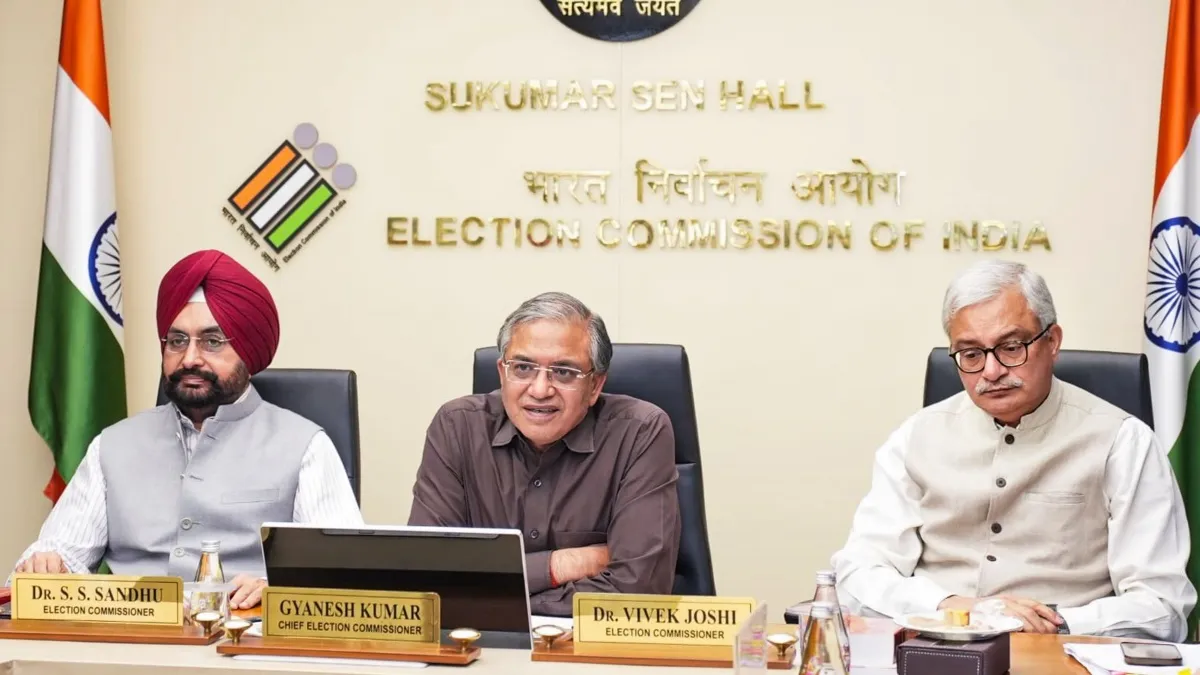
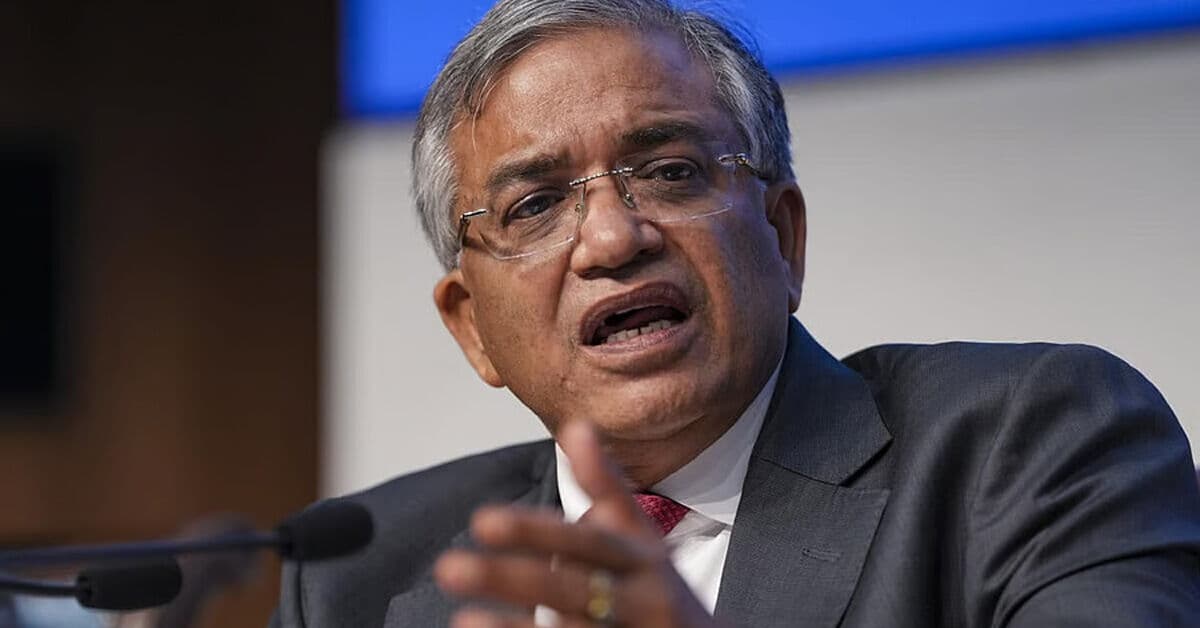
Supreme Court Issues Notices
Supreme Court refuses to suspend Chief Election Commissioner while issuing notices to Election Commission.
Anonymous
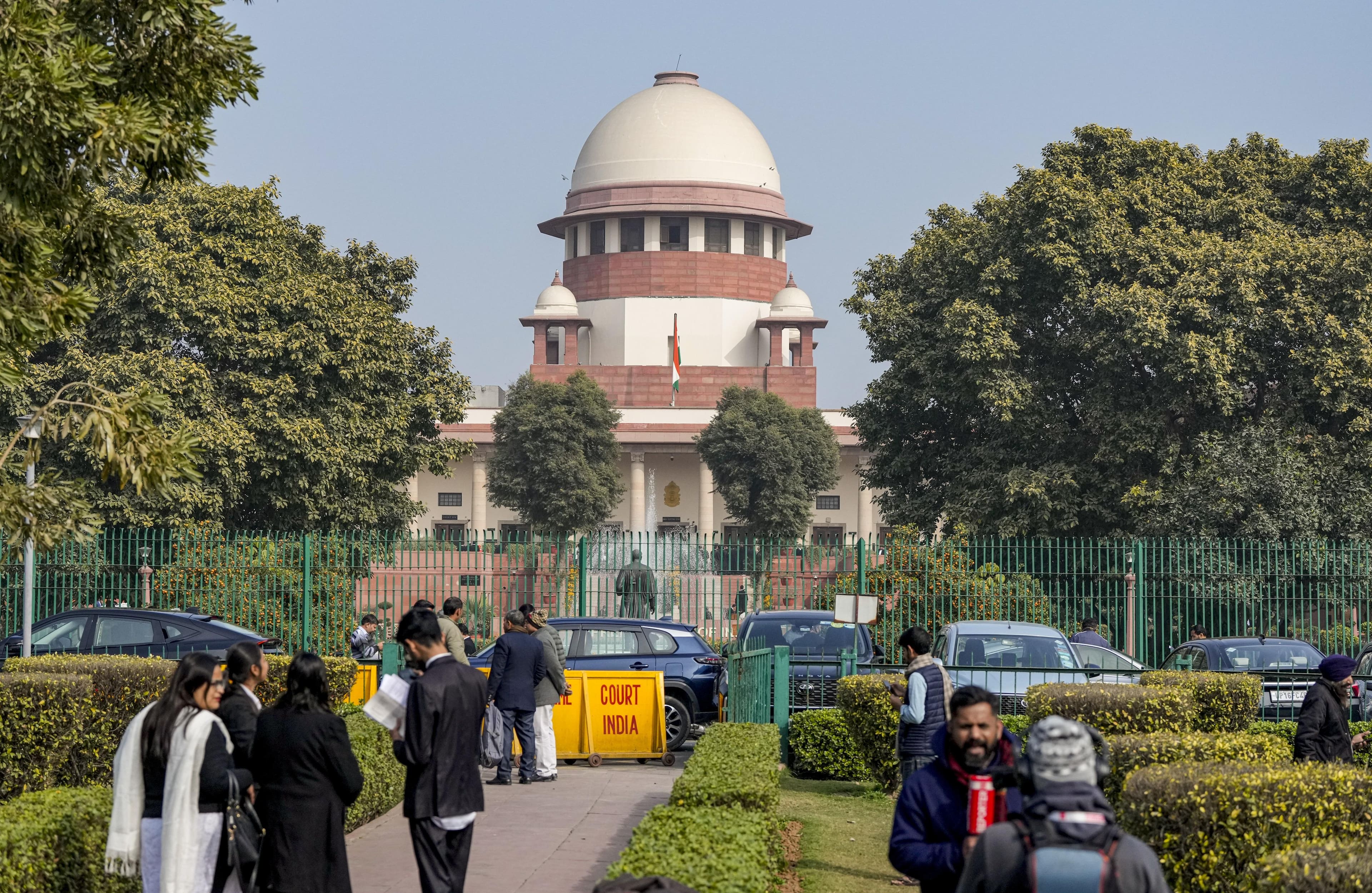
The Supreme Court refused to suspend Chief Election Commissioner Gyanesh Kumar on October 5, 2026, but issued formal notices to the Election Commission and the Centre over allegations that the CEC made at least 14 decisions without approval from the two other election commissioners. Business Standard reported the court said suspending the CEC could damage the election body's ability to function. The bench promised to annul any decisions found to violate the law once it reviews official records.
Petitioner Rakesh Kumar Singh's counsel, Senior Advocate Vikas Singh, argued the CEC's unilateral actions threaten democracy itself. The Tribune reported CJI Surya Kant asked: 'Who will conduct the elections?' and ordered respondents to submit detailed replies within seven days, saying the court needs verified information, not just media reports.
Election Commissioners Recorded 14 Formal Objections
Between October 28, 2025, and August 14, 2026, Election Commissioners Dr. Sukhbir Singh Sandhu and Dr. Vivek Joshi filed at least 14 formal objections against decisions issued by the Election Commission without their knowledge or approval. Swarajya noted these disputed actions included changes to electoral rolls and modifications to administrative forms during a Special Intensive Revision process.
The petitions claim CEC Gyanesh Kumar bypassed the constitutional requirement that Election Commission decisions be unanimous when possible, or settled by majority vote when consensus fails. LiveLaw reported that Section 18 of the Chief Election Commissioner and Other Election Commissioners Act, 2023, mandates this multi-member decision-making structure.
Supreme Court Demands Records Within One Week
The court ordered seven officials—including the CEC, the two dissenting election commissioners, the Deputy Election Commissioner, and the IT director—to file detailed replies within seven days. The New Indian Express reported the bench demanded official meeting logs, agenda records, and audit trails to verify whether statutory processes were actually bypassed.
CJI Surya Kant told counsel: 'News reports may be fully or partially correct. We would like to have their response... Let's first have authenticated information.' WION quoted the bench reassuring petitioners that if any decision violates the law, the court will annul it.
Congress Claims CEC Acted on Government Orders
The Indian National Congress alleged the CEC's unilateral actions reflect centralisation of power at the highest level. The Hindu reported the opposition party stated this situation offers a 'remarkable opportunity to restore public confidence in the Election Commission' after revelations of how decisions were made.
Senior Advocate Vikas Singh pressed for immediate suspension or a court mandate restricting the Election Commission to unanimous decisions only. LiveLaw quoted Singh saying: 'We are dealing with a grave situation which can undermine the very basis of our democracy.'
Court Balances Accountability With Election Operations
By refusing to suspend the CEC immediately, the bench avoided halting ongoing elections and administrative functions. The New Indian Express reported the court said the Election Commission must continue to function in accordance with its constitutional mandate while the legal review proceeds.
The court also flagged Section 16 of the 2023 Act, which grants the CEC legal immunity even after leaving office—a scope broader than immunity granted to Supreme Court judges. Business Standard noted the bench said it may examine whether this legal provision is constitutionally sound.
Sentiment
Mostly NegativeNEGATIVENEUTRALPOSITIVE
Publishers
66
Articles
71
Reach
137
A
AnonymousAuthor