Houthi Strikes Expose Saudi Vulnerabilities
Advanced Saudi Air Defenses Struggle to Defeat Houthi Drone and Missile Attacks
Anonymous
Key Points
1
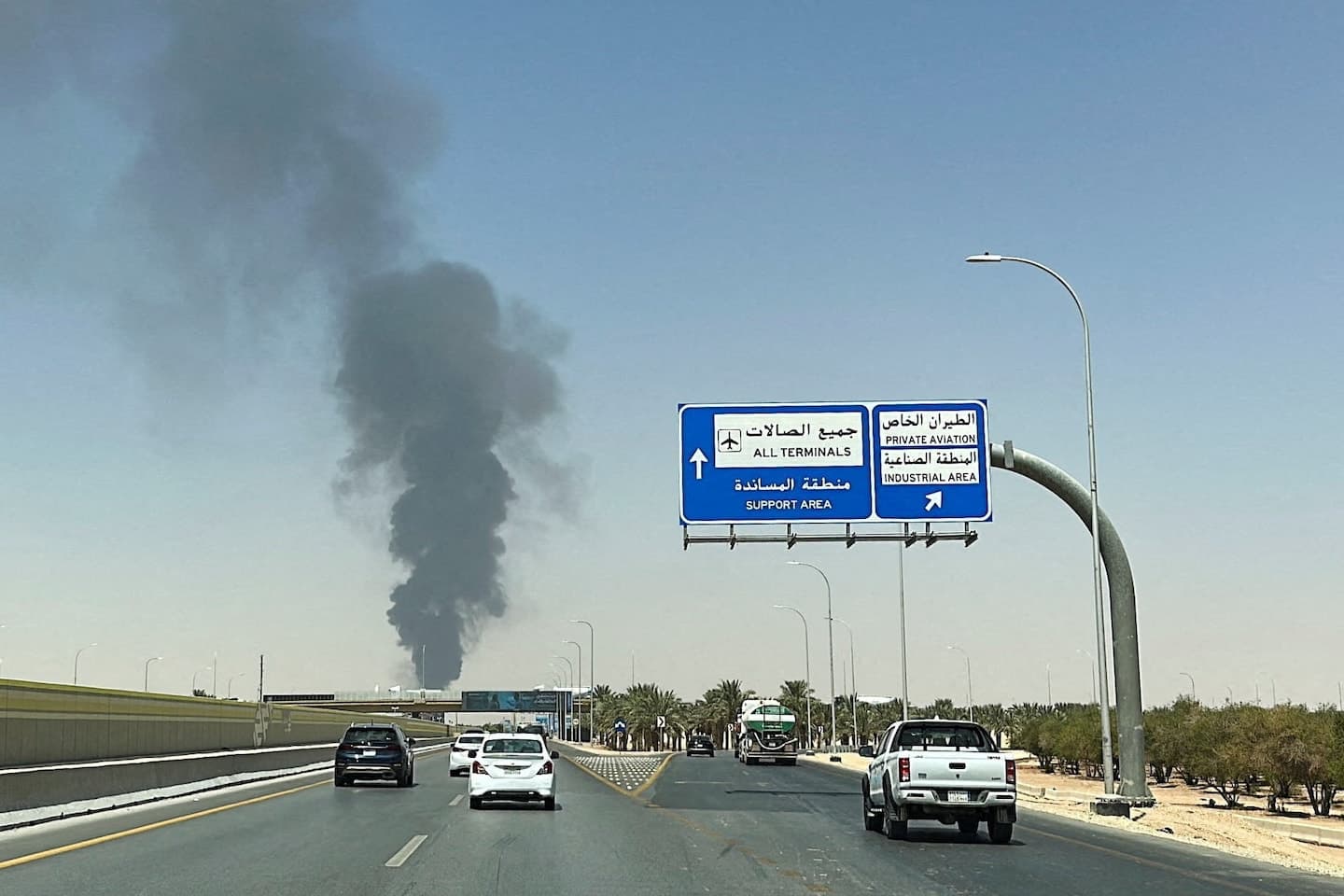
The Houthi attack on September 19, 2026, reportedly struck a jet-fuel depot at King Khalid International Airport in Riyadh, temporarily disrupting aviation operations and triggering air-raid sirens across the capital.
2
According to regional intelligence reports cited in the article, the Houthis used coordinated barrages of drones and precision-guided munitions designed to evade Saudi Patriot missile batteries; Saudi authorities said they intercepted several projectiles, but acknowledged impacts on energy and transport infrastructure.
3
The kingdom’s military has historically depended heavily on foreign personnel, contractors and trainers to supplement Saudi forces, reflecting its limited experience managing complex combat operations independently.
4
Princeton scholar Bernard Haykel said Saudi Arabia needs “a military that's willing to fight and a population that's willing to die to preserve what they have,” adding that “that's not what they have right now.”
5
Saudi weapons purchases have served not only military purposes but also diplomatic ones: major acquisitions from American, British and French manufacturers have been used to strengthen ties with Western allies.
Saudi Arabia's advanced air defenses and multi-billion-dollar weapons arsenal have failed to stop Yemen's Houthi fighters after more than a decade of conflict. A September 2026 Houthi attack struck a jet-fuel depot at King Khalid International Airport in Riyadh, temporarily halting flights and triggering air-raid sirens across the capital streamlinefeed. Analysts say the kingdom's struggles reveal deeper problems: rugged terrain, strong tribal networks, Iranian backing for the Houthis, and Saudi dependence on weak local allies.
The Houthis have turned to drones, ballistic missiles, and coordinated attacks to exploit gaps in Saudi defenses dailytribunal24. Despite purchasing F-35 jets and other Western weapons, Saudi Arabia's military has not adapted quickly enough to this asymmetric threat. Experts say the kingdom's decision to keep its military fragmented and politically subordinate may have crippled its battlefield effectiveness.
A Decade of Failed Military Dominance
Saudi Arabia launched its military campaign against the Houthis over 10 years ago with air superiority and overwhelming firepower. Yet countercurrents reports the kingdom has spent billions on sophisticated weaponry while the Iran-backed group remains resilient. In the past 24 hours alone, fighting across Yemen killed 98 Yemeni government soldiers and 52 Houthi fighters yemenonline, showing the conflict remains bloody and stalemated.
Houthis Overwhelm Saudi Air Defenses With Drones
The September 2026 attack on Riyadh's airport exposed cracks in Saudi Arabia's defensive shield. Houthi drones and precision missiles hit a jet-fuel depot streamlinefeed, disrupting aviation and striking critical infrastructure. Regional intelligence reports show the Houthis used coordinated barrages timed to saturate Patriot missile batteries. Saudi officials acknowledged impacts on energy and transport, even as they claimed interceptions.
These asymmetric tactics have shifted the war's balance. The Houthis can strike soft targets — airports, fuel depots, energy plants — faster than Saudi defenses can respond. Yemen's rough terrain and scattered population give the Houthis natural cover countercurrents.
Saudi Military Lacks Independence and Experience
Saudi Arabia's military has historically relied on foreign contractors, trainers, and personnel to supplement its own forces. This dependence reflects limited experience managing complex operations without outside help dailytribunal24. The kingdom buys cutting-edge weapons but struggles to use them effectively.
Princeton scholar Bernard Haykel diagnosed the deeper problem: "Saudi Arabia needs a military that's willing to fight and a population that's willing to die to preserve what they have. That's not what they have right now." The monarchy's long effort to keep its military fragmented and politically weak may have backfired on the battlefield.
Western Weapons Sales Serve Diplomatic Aims
Saudi Arabia continues buying from American, British, and French manufacturers — including an approved U.S. sale of F-35 fighter jets. These purchases serve dual purposes: boosting military capability and cementing ties with Western allies. Yet new weapons alone cannot fix underlying weaknesses countercurrents.
Sentiment
Mostly NegativeNEGATIVENEUTRALPOSITIVE
Publishers
13
Articles
31
Reach
44
A
AnonymousAuthor