Kyiv Bridge Struck
Russian Air Strike Hits Kyiv Bridge During German Chancellor's Visit
Anonymous
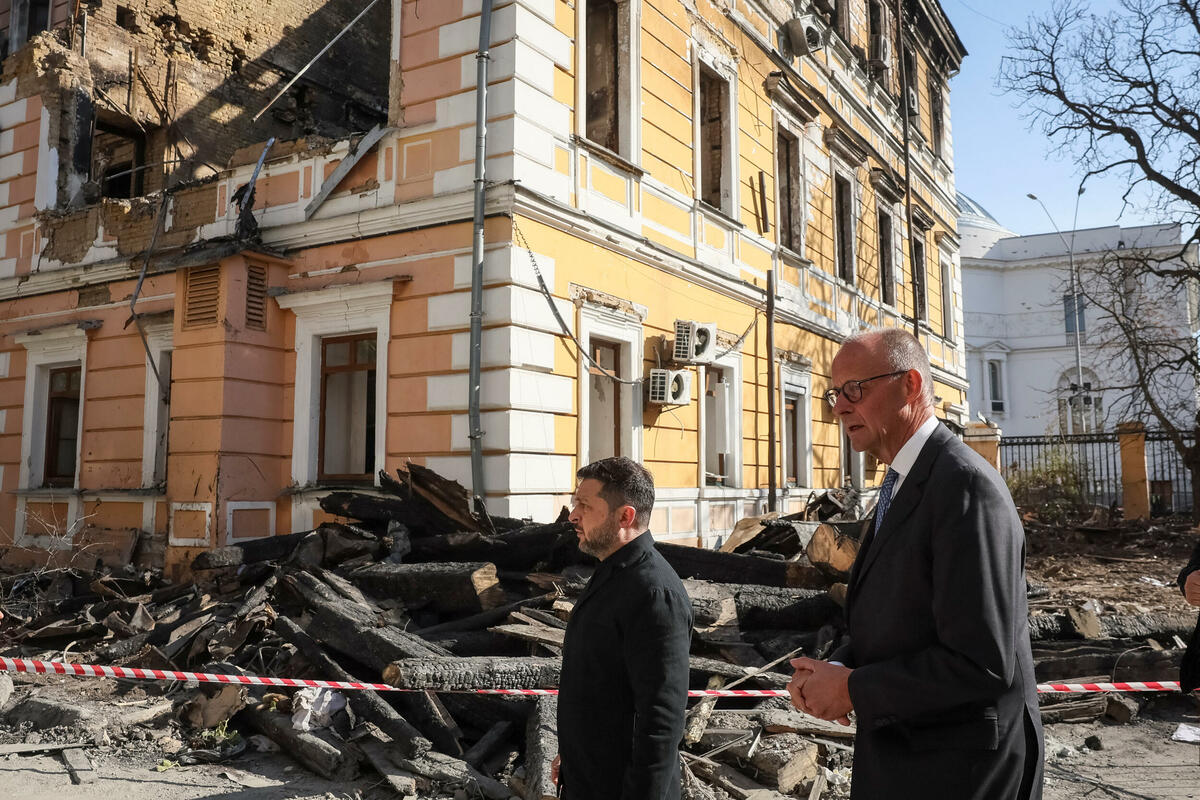
A Russian missile struck Kyiv's North Bridge on Sunday, October 4, sending a fireball into the air and damaging the roadway just hours after German Chancellor Friedrich Merz arrived in the Ukrainian capital. Devdiscourse reported that Mayor Vitali Klitschko confirmed the attack, marking the second strike on the bridge in two days. The timing appeared deliberate—Russia's military has intensified strikes on Kyiv's critical infrastructure as Merz visited to pledge Germany's continued military and financial support for Ukraine.
Merz arrived unannounced at Kyiv's central train station with Economy Minister Katherina Reiche to meet President Volodymyr Zelenskyy, according to Financial Times reporting. The visit underscores Germany's shift into Ukraine's largest military donor, a role previously held by the United States. Despite Russia's warnings to foreign diplomats to avoid Kyiv, Merz toured damaged areas and held defense talks, calling the airstrikes "barbarous attacks" and "war crimes."
Russia's Relentless Campaign Against Kyiv's Bridges
Russia has been pounding Kyiv's bridges over the Dnipro River for weeks, with the North Bridge hit twice in 48 hours, The Moscow Times reported. The strikes damage trolleybus cables, road surfaces, and underground pipes carrying hot water—critical systems as winter approaches. Times of India noted that Russia targets these crossings to sever transport links connecting eastern and western Kyiv, disrupting movement of supplies and civilians across the city.
The October 4 strike triggered four air raid alerts across Kyiv in a single morning, The Moscow Times reported. Each alert sends residents scrambling to shelters. The repeated attacks appear designed to exhaust Ukrainian air defenses and break civilian morale as temperatures drop. Merz told Zelenskyy that air defense is Ukraine's most critical need heading into winter.
Germany Doubles Down on Ukraine With New Aid Package
Merz announced €1 billion ($1.13 billion) in new military assistance during the visit, The Moscow Times reported. The package includes €350 million specifically for repairing Ukraine's damaged energy infrastructure. This commitment marks a major shift: Germany has now surpassed the United States as Ukraine's single largest donor of weapons and funding. Merz said: "If Russia is not stopped, sooner or later its war machine will turn against us. You can continue to count on our help."
The timing of Merz's visit—coinciding with the North Bridge strike—demonstrates that Western leaders refuse to be intimidated by Russian attacks on Kyiv, Financial Times noted. Before the visit, Russia's Foreign Ministry warned foreign citizens and diplomats to stay away from the capital. Instead, Merz traveled to the center of the city to meet Zelenskyy at the National Academy of Sciences, which had been hit by Russian drones weeks earlier.
Moldova Reports Spillover Damage From Russian Strikes
During the same overnight barrage that hit Kyiv, Moldova reported that five Russian weapons entered its airspace and exploded on Moldovan soil, The Insight International reported. Three missiles and two drones crossed the border before detonating. Moldova's government issued a formal complaint about the violations. The incidents underscore how Russia's air campaign against Ukraine affects neighboring countries caught in the path of intercepted or misdirected munitions.
Ukraine Braces for Winter Without Full Air Defense
Zelenskyy told Merz that Kyiv residents face "terrible nights and days" under constant bombardment, calling Russian forces "absolute barbarians," according to Al Arabiya. The lack of sufficient air defenses means many missiles and drones reach their targets. As winter arrives, damaged water pipes and heating systems threaten civilian survival in sub-zero temperatures. Military analysts expect Russia to intensify infrastructure strikes to maximize civilian suffering and strain Ukraine's winter readiness.
Sentiment
Mostly NegativeNEGATIVENEUTRALPOSITIVE
Publishers
74
Articles
52
Reach
126
A
AnonymousAuthor