German Election Crisis
German state elections test Chancellor Friedrich Merz amid significant far-right gains.
Anonymous
Key Points
1
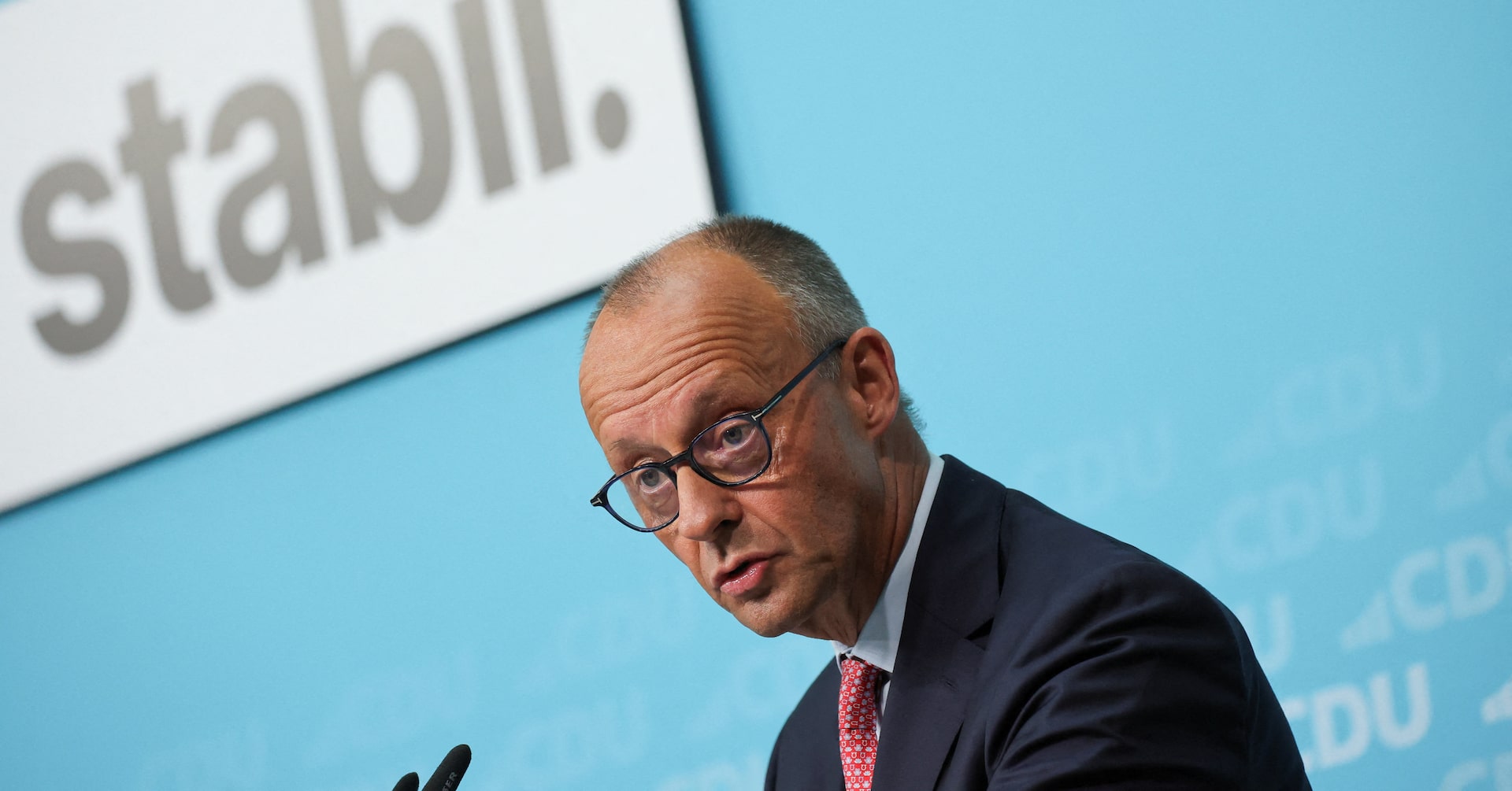
Eight CDU state premiers publicly urged the party to prioritize “stability now more than ever” over internal “discussions about personnel,” though they stopped short of personally endorsing Chancellor Friedrich Merz.
2
Berlin’s latest infratest dimap poll put the Left Party at 21%, narrowly ahead of the CDU at 20% and the AfD at 18%; the Greens stood at 16% and the governing SPD at 12%.
3
Berlin’s political geography is sharply divided: central districts have recently favored the Greens or Left Party, while the suburban outskirts—where most residents live—tend to support the CDU, with the AfD dominant in some districts.
4
The AfD’s position in Berlin was described as less dominant than in Saxony-Anhalt, where its September 6 victory was large enough to make excluding the party from government coalition talks potentially impossible.
5
Polling stations opened at 8 a.m. local time and were scheduled to close at 6 p.m., with the first results expected to shape the CDU leadership’s crisis discussions that evening.
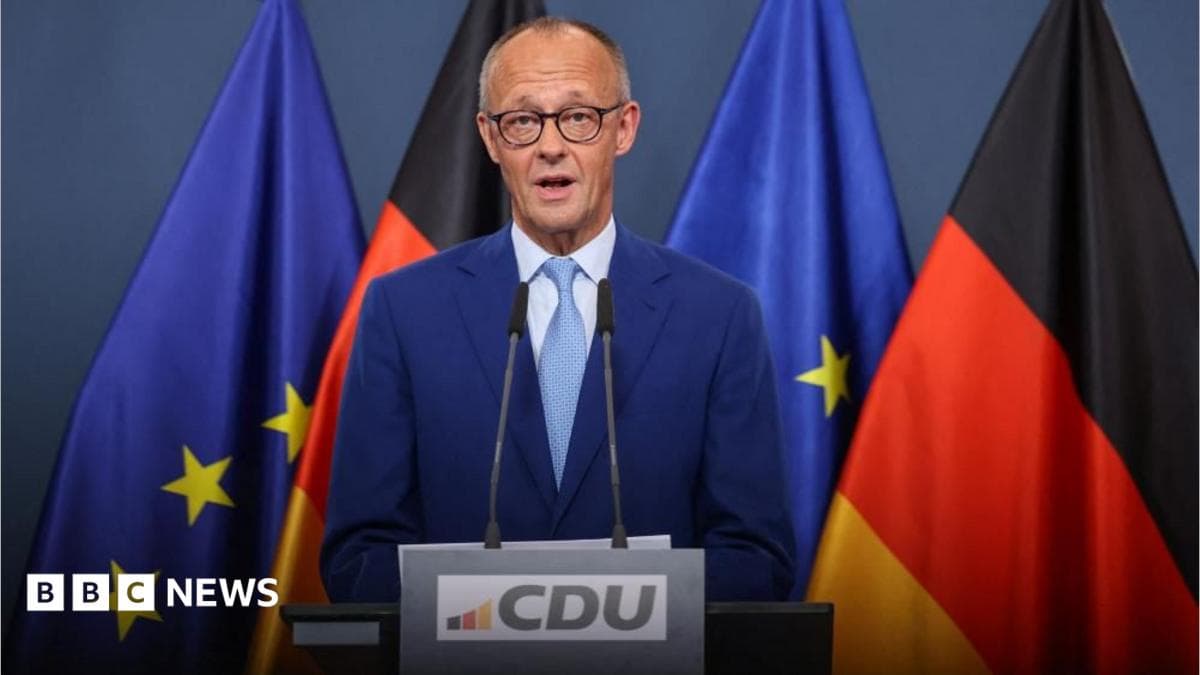
German voters are choosing new state parliaments in Berlin and Mecklenburg-Western Pomerania, with results threatening to destabilize Chancellor Friedrich Merz's already fragile government. Reuters reports the CDU faces a potential collapse below the five-percent threshold in Mecklenburg-Western Pomerania, while the far-right Alternative for Germany (AfD) gains strength across both states. Merz has canceled international trips and called an emergency CDU leadership meeting for election night.
In Berlin, a tight three-way race pits the Left Party, CDU, and AfD against each other, with housing shortages dominating voter concerns. Latest polls show the Left Party at 21%, the CDU at 20%, and the AfD at 18%. A weak CDU showing could intensify calls for Merz's removal, already troubled by coalition tensions with the SPD and sagging approval ratings.
Merz's Coalition Crumbles Under Election Pressure
Eight CDU state premiers released a public statement urging the party to focus on "stability now more than ever" rather than "discussions about personnel." The statement stopped short of explicitly backing Merz, signaling deep fractures within the party. Reuters notes his approval ratings have suffered as the SPD coalition partner blocks his reform agenda, leaving him politically weakened heading into these crucial votes.
Berlin's Housing Crisis Reshapes Electoral Battle
Housing dominates Berlin's election, where more than 80 percent of residents rent apartments. Construction has failed to keep pace with population growth, fueling anger at incumbents. Left Party candidate Elif Eralp has surged with a proposal to place major corporate rental properties under public control. The CDU replaced outgoing Mayor Kai Wegner with Finance Senator Stefan Evers as its top candidate, hoping a fresh face can compete.
Berlin's Sharply Divided Political Map
Berlin's neighborhoods split into opposing camps. Central districts lean Left Party or Greens. The suburban outskirts, where most residents live, favor the CDU. The AfD dominates pockets of the city. This geographic split means no single party can claim obvious control. Coalition negotiations will likely take weeks after results arrive, adding pressure on Merz to show strength.
AfD's Rise Echoes Earlier Regional Breakthrough
The AfD's strong showing in both states mirrors its September victory in Saxony-Anhalt, where its margin was so large that excluding it from government talks became nearly impossible. In Berlin, the far-right party ranks at 18 percent — less dominant than in Saxony-Anhalt but high enough to shape coalition math. Its continued gains signal deep frustration with mainstream parties across German regions.
Sentiment
Mostly NegativeNEGATIVENEUTRALPOSITIVE
Publishers
56
Articles
169
Reach
225
A
AnonymousAuthor