German Election Crisis
German Chancellor Friedrich Merz Vows to Stay After Historic State Election Losses
Anonymous
Key Points
1
The CDU’s roughly 5% showing in Mecklenburg-Western Pomerania put it just above the threshold required to enter the state parliament, raising the possibility that it could have been shut out altogether.
2
Exit polls placed the center-left Social Democratic Party (SPD) at about 35.5% to 36.5% in Mecklenburg-Western Pomerania, narrowly behind the AfD’s 37% to 38%.
3
The AfD was projected to receive about 16% in Berlin, but the party was expected to remain excluded from government in both states because major parties maintain a non-cooperation “firewall.”
4
Merz said, “The reforms have to come,” adding that he was accepting responsibility because he wanted to move Germany forward.
5
Eight German state leaders backed Merz earlier in the week, while the chancellor convened a CDU leadership crisis meeting and canceled his planned trip to the UN General Assembly to manage the fallout from the elections.
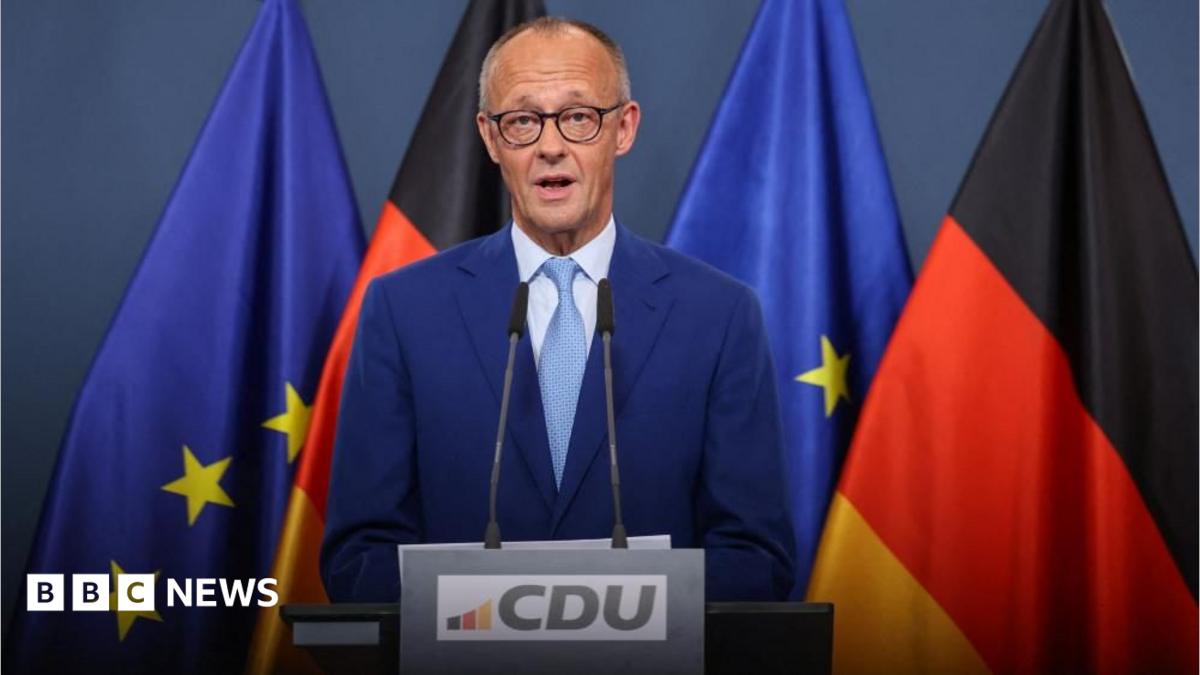
German Chancellor Friedrich Merz vowed to stay in office after his party suffered historic losses in state elections. His Christian Democratic Union won just 5% in Mecklenburg-Western Pomerania, BBC, the party's worst result in any German state since World War II. The far-right Alternative for Germany surged to 37-38%, while the SPD came in second at 35.5-36.5%. Merz called the result a "disaster" but said Germany's economic troubles made difficult reforms more urgent.
CDU's Historic Collapse in Eastern Germany
The CDU's 5% result in Mecklenburg-Western Pomerania barely cleared the threshold needed to enter the state parliament, Newsy Today reported. The party narrowly avoided complete shutout and finished a distant third behind the AfD and the SPD. This marks the party's worst performance in any German state election since 1945. The defeat comes just two weeks after the AfD won in Saxony-Anhalt, signaling a major shift in eastern German politics.
AfD's Rise Blocked from Governing Power
Despite winning about 37-38% in Mecklenburg-Western Pomerania, the AfD is expected to remain shut out of government. BBC confirmed that major parties maintain a "firewall" against cooperating with the far-right party. In Berlin, the AfD won roughly 16% but faced the same isolation. This non-cooperation agreement means the AfD's election gains do not translate into governing power despite historic support levels.
Merz Doubles Down on Reform Agenda Despite Setback
Merz canceled his trip to the UN General Assembly and convened a CDU leadership crisis meeting to manage the fallout. "The reforms have to come," BBC quoted him saying. Eight German state leaders backed him earlier in the week, signaling party unity. The chancellor acknowledged responsibility but insisted the difficult changes Germany needs made staying in office the right choice to move the country forward.
Sentiment
Mostly NegativeNEGATIVENEUTRALPOSITIVE
Publishers
17
Articles
176
Reach
193
A
AnonymousAuthor


