World Leaders Gather for 81st U.N. Assembly
World Leaders Gather for 81st U.N. Assembly
Anonymous
Key Points
1
Bangladesh’s Khalilur Rahman was sworn in as president of the General Assembly on Sept. 8. Leaders’ statements are expected to follow a voluntary 15-minute limit, with the debate scheduled in two daily sessions from Sept. 22 through Sept. 26 and resuming Sept. 28.
2
The Partners for Multilateralism Summit was co-hosted by European Council President António Costa and Kenya, Australia, Barbados, Canada, Brazil and India. Costa said its purpose was to support the UN and other multilateral frameworks while ensuring international commitments produce practical results.
3
Several major diplomatic meetings are planned on the sidelines of the General Assembly: Volodymyr Zelensky is expected to meet Donald Trump, Sergey Lavrov is due to meet U.S. Secretary of State Marco Rubio, and France is expected to host talks on a two-state solution. U.S. officials also described planned discussions between Trump and Gulf leaders about the aftermath of the Iran conflict.
4
The climate debate is being shaped by the human and economic toll of recent disasters, including more than 1,300 deaths in flooding linked to a collapsing glacier on the Nepal-China border. Climate Analytics chief Bill Hare said the world has moved from seeing climate change’s “fingerprints” in individual events to seeing its “handprint” across the whole world.
5
The COP31 Global Business Forum is expected to bring more than 300 senior executives together at Bloomberg’s New York headquarters. Its agenda includes a panel featuring IEA chief Fatih Birol and IFC Managing Director Makhtar Diop, while TOBB President Rifat Hisarcıklıoğlu said, “Governments sign agreements, while business puts them into practice.”
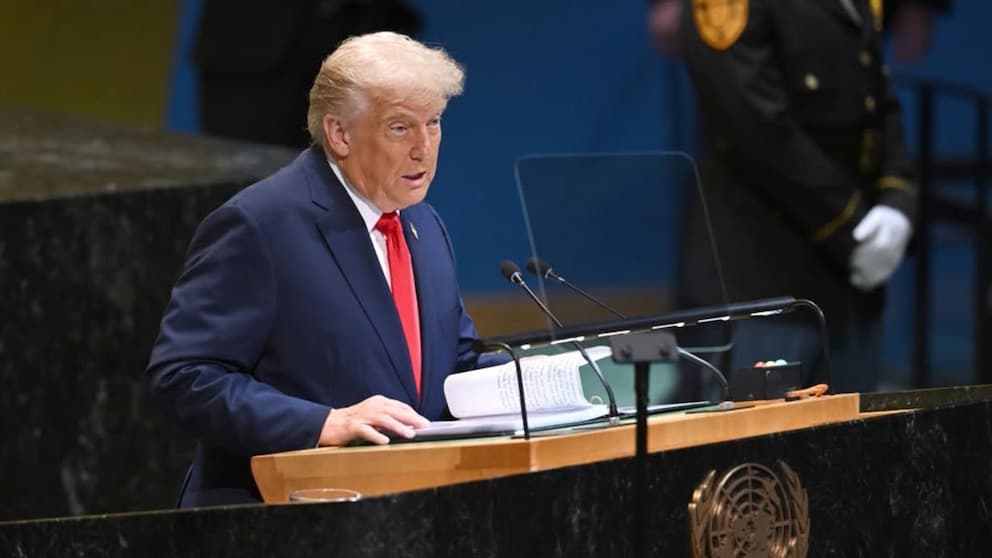
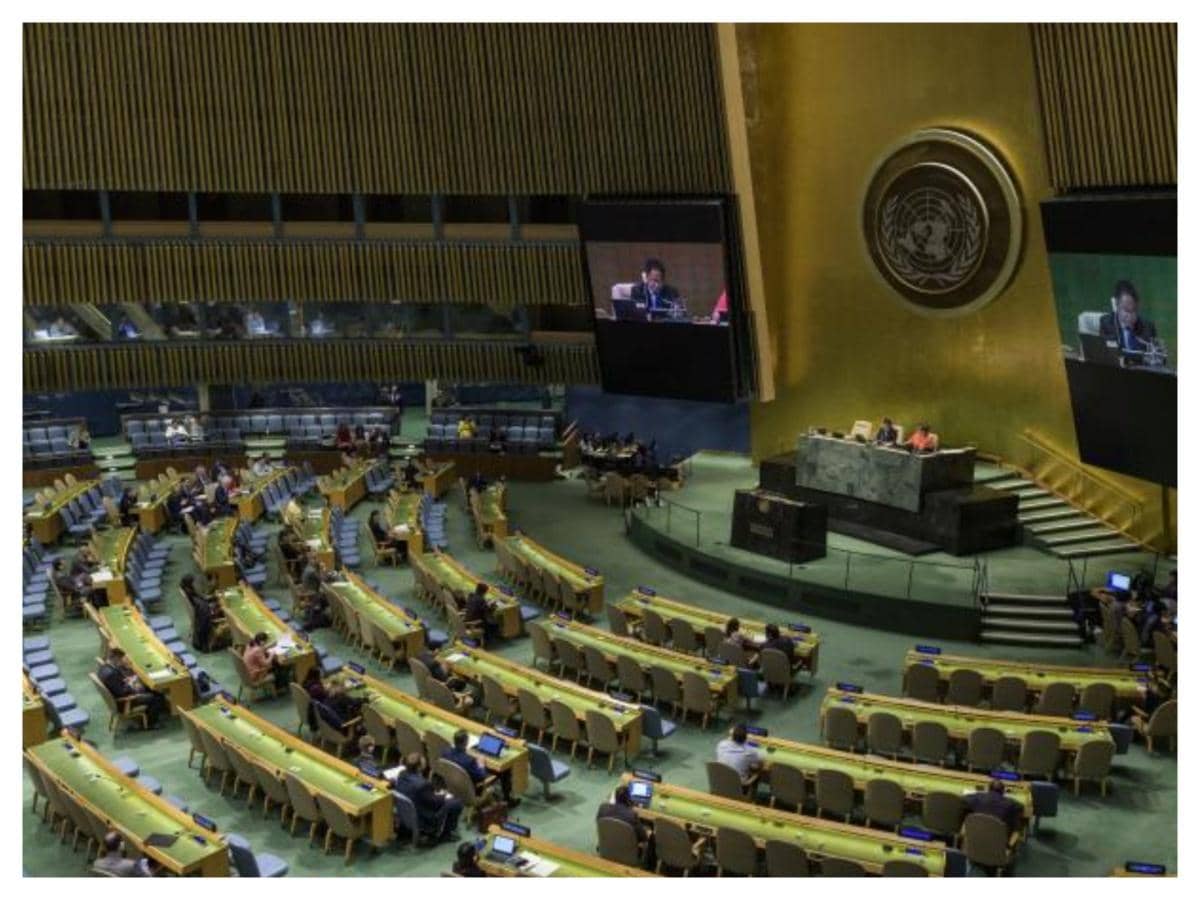
Nearly 130 world leaders are gathering in New York this week for the 81st United Nations General Assembly, with the general debate running September 22-28 and focused on restoring trust, managing global transformation, and delivering results for all nations. Associated Press reports that discussions will center on escalating conflicts in Ukraine, Gaza, Sudan, Congo, and Myanmar, alongside urgent debates over climate disasters, artificial intelligence, and the future of the UN itself as Secretary-General António Guterres prepares to leave office without a clear successor.
The gathering comes at a fraught moment. Reuters notes that world leaders face mounting pressures: regional wars show no signs of ending, climate disasters are killing hundreds, and concerns about AI governance are rising. President Donald Trump is expected to address the assembly amid anxieties about Iran, economic disruption, and whether multilateral institutions can still function effectively in an increasingly fractured world.
A Week of High-Stakes Diplomatic Meetings
Dozens of critical bilateral meetings are planned on the assembly sidelines. AP News reports that Ukrainian President Volodymyr Zelensky is expected to meet with Trump to discuss the war. Russian Foreign Minister Sergey Lavrov will meet U.S. Secretary of State Marco Rubio, while France is hosting separate talks aimed at brokering a two-state solution to the Israeli-Palestinian conflict.
U.S. officials are also planning discussions between Trump and Gulf leaders about fallout from the Iran conflict. The New York Times indicated these meetings represent rare moments of direct engagement on the world's most dangerous flashpoints. Bangladesh's Khalilur Rahman, sworn in as General Assembly president on September 8, set a voluntary 15-minute limit on leaders' speeches to keep debates focused and efficient.
Climate Disasters Push Urgent Action on Carbon
Climate change has moved from theory to catastrophe. Climate Analytics chief Bill Hare said the world has shifted from seeing climate change's "fingerprints" in isolated events to seeing its "handprint" across the entire planet. Recent flooding linked to a collapsing glacier on the Nepal-China border killed more than 1,300 people, adding urgency to climate negotiations.
Business leaders are stepping up. Bloomberg reported that the COP31 Global Business Forum is bringing over 300 senior executives to New York to discuss implementing the COP31 Action Agenda. The focus includes renewable energy expansion and managing the massive energy demands of artificial intelligence data centers—a critical issue for achieving climate goals while powering digital innovation.
Reforming the UN While Trust Is Fracturing
The assembly will tackle the uncomfortable truth: the United Nations itself is under pressure. Reuters notes that Secretary-General Guterres is leaving office without a clear successor lined up, and major powers are divided over Security Council reform. The Partners for Multilateralism Summit, co-hosted by European Council President António Costa and six nations including Brazil and India, aims to shore up confidence in international institutions.
Costa said the summit's goal was to "support the UN and other multilateral frameworks while ensuring international commitments produce practical results." AFP reported that business and civil society leaders are also gathering separately—the Borgo Dialogues—to discuss how private enterprise can drive progress on artificial intelligence, sustainability, and human dignity when traditional diplomacy falters.
AI Governance and Economic Uncertainty Loom Large
Artificial intelligence emerged as a central theme of the assembly. WBBJ TV reported that anxiety about AI governance dominates discussions alongside traditional conflicts. Leaders recognize that unregulated AI development could deepen global inequality and destabilize labor markets, yet international consensus on how to regulate it remains elusive.
Economic pressures compound the challenge. AP News noted that global food and energy prices remain volatile, adding financial strain to poorer nations already struggling with climate impacts and regional wars. Business leaders at the COP31 forum stressed that private industry must partner with government to turn international commitments into concrete action—not just signed agreements gathering dust.
Sentiment
Mostly NegativeNEGATIVENEUTRALPOSITIVE
Publishers
19
Articles
20
Reach
39
A
AnonymousAuthor