Tata Leadership Dispute
Tata Trusts declares board decision to reappoint N. Chandrasekaran legally void
Anonymous
Key Points
1
N. Chandrasekaran had reportedly decided to step down after an earlier reappointment effort failed to secure unanimity, making the board’s subsequent 4-1 vote to extend his tenure a surprise.
2
Abhishek Manu Singhvi said he entered the dispute with “sadness and regret,” citing his past work with Ratan Tata and his personal relationships with the principal figures on both sides.
3
The Tata Sons boardroom confrontation involved Noel Tata arriving with a seven-page document and a strategy to preserve the holding company’s private status, underscoring how directly the listing question was contested.
4
The Maharashtra Charity Commissioner’s inquiry was initiated after a complaint by Venu Srinivasan; officials said proceedings in such matters can take three to six months, with appeals possible after the initial hearing.
5
Amogh Kaloti’s office has broad statutory powers over public trusts, including investigating alleged financial misconduct, suspending trustees and managing trust affairs, giving the Maharashtra proceedings potential significance beyond the immediate meeting ban.
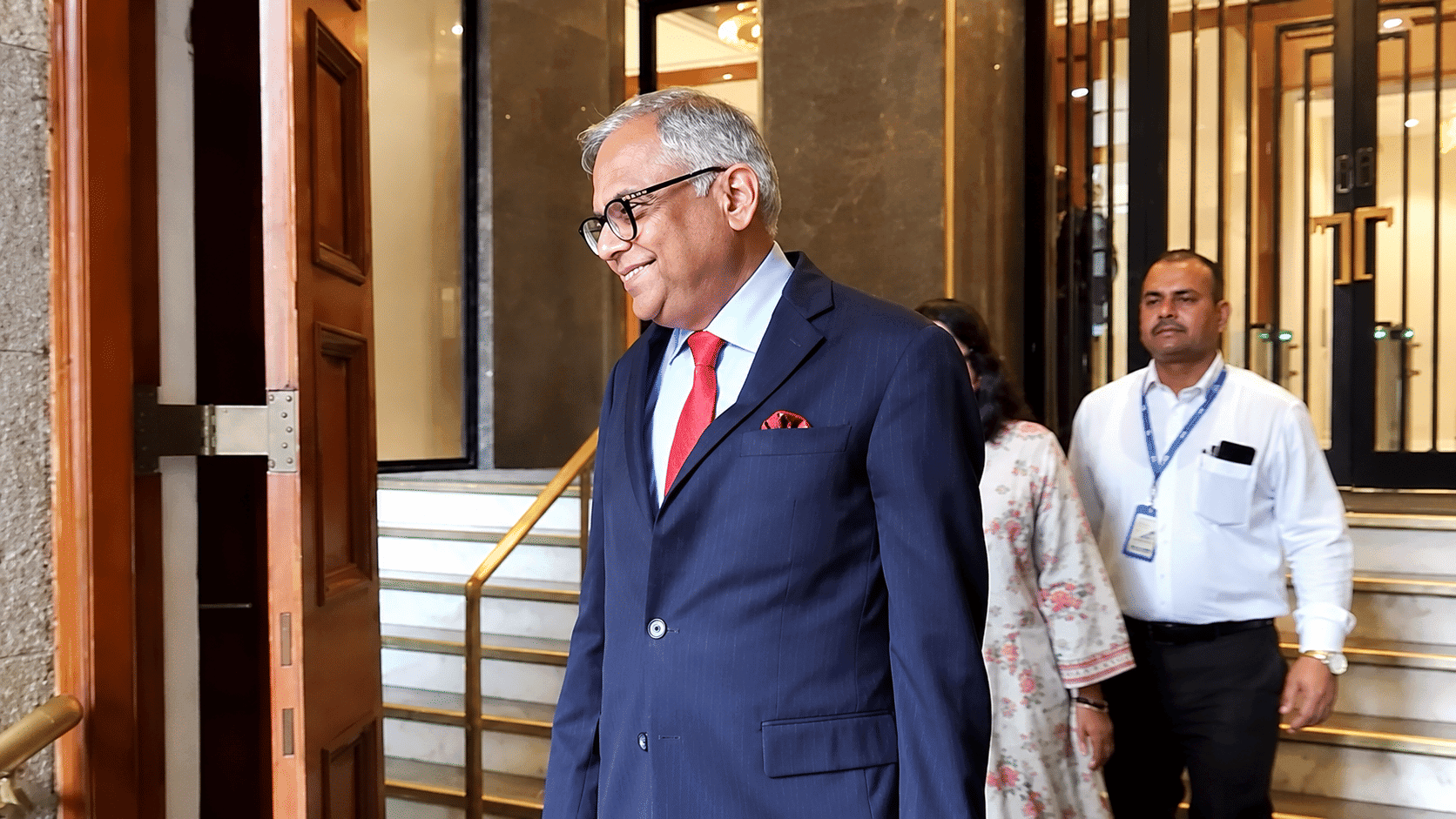
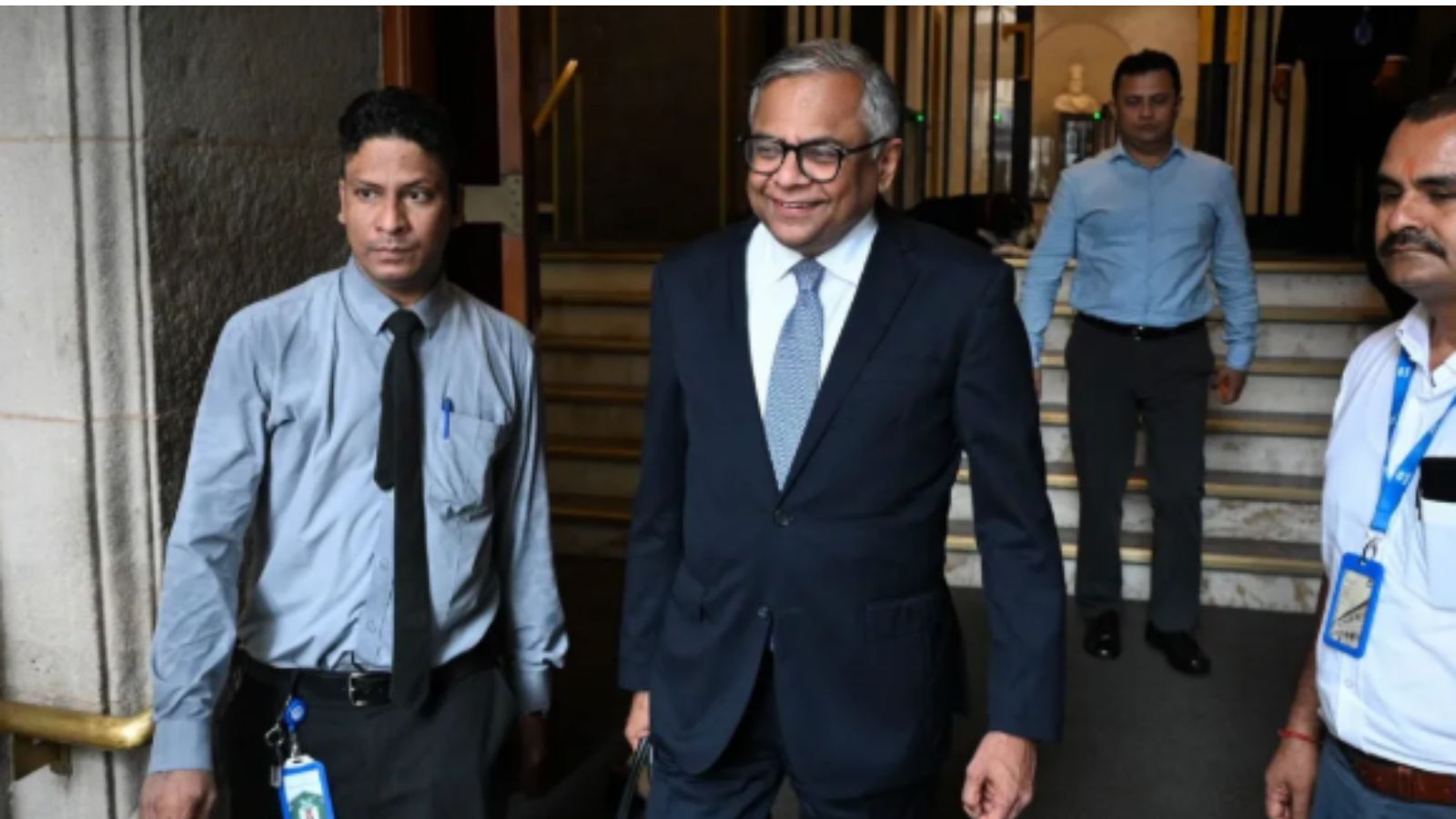
Tata Trusts has challenged the legality of the board's decision to reappoint N. Chandrasekaran as chairman of Tata Sons, declaring the September 17 vote legally void Indian Express. The trusts, which control 66% of Tata Sons, say the 4-1 board vote violated company rules and lacks legal standing. The dispute centers on whether the board could use a casting vote to extend Chandrasekaran's tenure against Tata Trusts' wishes.
The conflict stems from a deeper battle over Tata Sons' future. Tata Trusts chairman Noel Tata opposes listing the company publicly and prefers to keep it private. The board voted to advance listing plans anyway. Tata Trusts has now hired senior Supreme Court lawyer Abhishek Manu Singhvi to fight the reappointment India Today. The dispute threatens to disrupt major operations including iPhone manufacturing and semiconductor production.
The Reappointment Vote That Shocked Everyone
Chandrasekaran had decided to step down after an earlier reappointment attempt failed to win unanimous board support Mint. Then the board unexpectedly voted 4-1 to extend his five-year tenure anyway. One of those votes was a casting vote from an independent director — a tie-breaking power that Tata Trusts now says had no authority to pass the resolution.
Tata Trusts argues the Articles of Association require stricter voting rules for such major decisions Newsbytes. They claim the chairman's reappointment needs approval from trustees, not just board members. This legal fight could reshape governance at one of India's oldest business groups.
Noel Tata's Push to Keep Tata Sons Private
The boardroom confrontation was personal and strategic. Noel Tata arrived with a seven-page document outlining his plan to preserve Tata Sons' private status. He directly opposed the board's push toward a public listing. For him, staying private meant staying independent from market pressures and outside investors.
A public listing would dilute Tata Trusts' controlling stake and shift decision-making power away from the family foundations. The listing question was not abstract — it defined what kind of company Tata Sons would become. The trusts saw the reappointment vote as a power grab by board members favoring an IPO.
A Top Lawyer Enters the Fight With 'Sadness'
Abhishek Manu Singhvi, one of India's most respected Supreme Court advocates, has taken Tata Trusts' side India Today. Singhvi said he entered the dispute with "sadness and regret," citing his past work with the late Ratan Tata and relationships with people on both sides. His involvement signals this fight will move into courts.
Singhvi plans to argue that the Tata-Mistry judgment gives trusts supreme shareholder rights. That earlier court ruling established that trusts control Tata Sons through ownership, not board politics. If courts agree, the reappointment vote loses all legal weight.
Regulators Now Investigating the Trusts
The Maharashtra Charity Commissioner ordered the Sir Ratan Tata Trust to halt board meetings and face inquiry Indian Express. A complaint by businessman Venu Srinivasan triggered the investigation. The Commissioner's office has broad power to investigate alleged misconduct, suspend trustees, and manage trust affairs directly.
Officials said these inquiries typically take three to six months, with appeals possible afterward. The regulatory investigation adds another layer of uncertainty. Major Tata companies now face unclear leadership while multiple institutions — the board, trusts, courts, and regulators — battle over control.
Sentiment
Mostly NegativeNEGATIVENEUTRALPOSITIVE
Publishers
30
Articles
46
Reach
76
Topics
A
AnonymousAuthor