Data Center Pollution
Microsoft-Linked Data Center Fined After Polluting New Jersey Air for a Year
Anonymous
Key Points
1
Rutgers researcher Xiaomeng Jin said the estimated 140 tons of nitrogen oxides could place DataOne among New Jersey’s five largest NOx polluters in 2025. A nearby resident, Tiffany Leone-Vespa, described the generators’ sound as like “an airplane in the back of her house” and raised concerns about her family’s exposure.
2
The data-center investment boom is running up against infrastructure and approval bottlenecks: U.S. private-equity-backed data-center deals reached $45.7 billion in 2025, while the average wait for a grid connection in primary markets exceeded four years, according to the article’s cited industry reports.
3
The study distinguishes between AI training, which can tolerate delays and be located farther from users, and AI inference, which is latency-sensitive and must be close to users and fiber networks. That difference helps explain why the most energy-intensive workloads have greater freedom to seek out cheaper power.
4
Data-center operators can use on-site renewables and batteries to make lower-carbon power more predictable for flexible workloads, while rack- and cluster-level power telemetry can help identify schedulable tasks and measure emissions reductions.
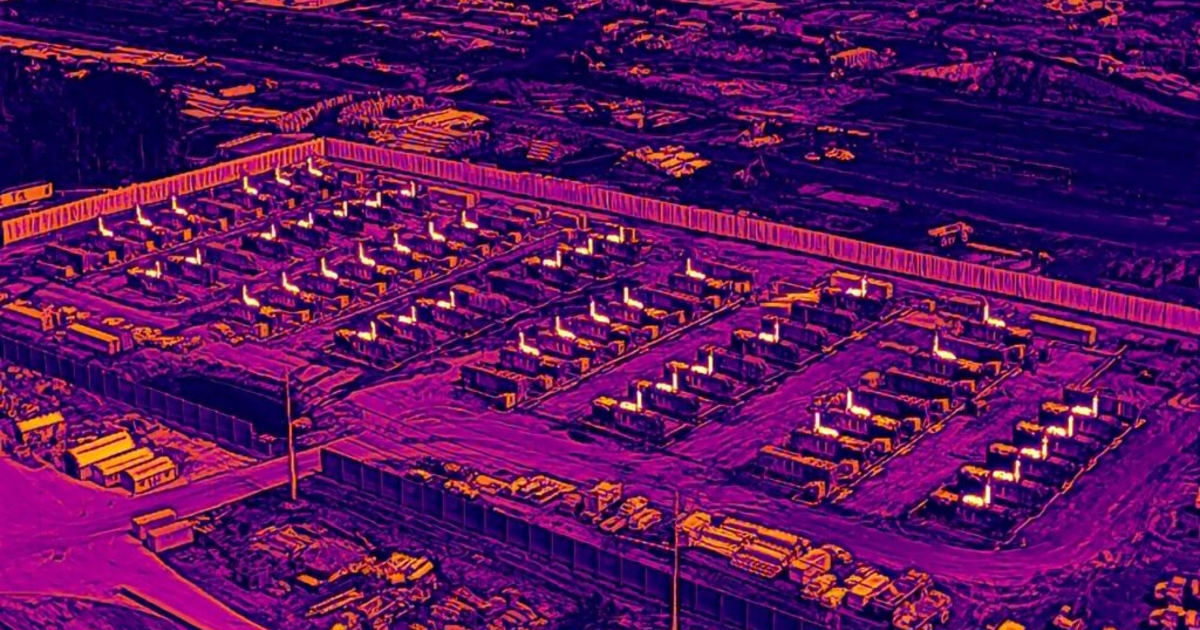
A Microsoft-linked data center in Vineland, New Jersey, polluted the air for nearly a year by running 62 unpermitted gas generators. New Jersey Monitor reported the facility emitted about 140 tons of smog-forming nitrogen oxides before state regulators shut it down. The operator, DataOne, was fined $1 million—a rare enforcement action that exposes growing environmental risks as data centers multiply across the country.
The pollution highlights a larger problem: as demand for AI and cloud computing surges, developers are racing to build data centers on cheap land with fast power access, often in low-income neighborhoods. Area Development found that private-equity-backed data-center deals hit $45.7 billion in 2025, while the average grid connection wait exceeds four years in major markets. Energy-intensive workloads are being sited where electricity is cheap but dirtier, shifting pollution burdens onto local communities.
How 62 Generators Poisoned a Neighborhood
DataOne's Vineland facility operated unpermitted generators for months without oversight. According to Yahoo News, the 62 generators ran to power the data center while grid upgrades were pending. Rutgers researcher Xiaomeng Jin calculated the emissions at roughly 140 tons of nitrogen oxides yearly—enough to rank DataOne among New Jersey's five largest polluters in 2025.
Nearby resident Tiffany Leone-Vespa described the sound as "an airplane in the back of her house." She worried about her family's health from months of daily exposure. The state eventually intervened, and DataOne paid $1 million—but not before local air quality suffered.
The Infrastructure Crunch Driving Risky Shortcuts
Data centers are racing to build faster than utilities can upgrade grids. Area Development reported U.S. private-equity-backed data-center deals reached $45.7 billion in 2025. But the average wait for a grid connection in primary markets now exceeds four years. Developers facing long delays and high costs are turning to older industrial sites and emergency power sources—creating pollution risks.
The shortage of fast permitting and grid access has real costs. Companies cut corners with unpermitted generators instead of waiting for permanent power infrastructure. Regulators struggle to keep pace with the boom. The result: low-income neighborhoods near cheap land become testing grounds for new technology's environmental side effects.
AI Training Workloads Can Shift to Cleaner Power
Not all data-center emissions are locked in. Economic Times explained that operators can reduce Scope 2 emissions by scheduling flexible workloads—like AI training and backups—when cleaner power is available. AI training tolerates delays; it can run anytime. This differs from AI inference, which must run instantly near users and can't wait for clean-power windows.
Better tools can help. On-site renewables, batteries, and rack-level power telemetry let operators match workloads to low-carbon hours. The catch: data centers need real-time visibility into both their power sources and which tasks are flexible enough to move. Right now, most lack that transparency. Fixing it requires better monitoring and coordination between operators and grid managers.
What Regulators Must Do Next
The DataOne case is a warning. As AI spending surges, data centers will keep multiplying. States and the EPA need faster permitting pathways for permanent power infrastructure—and stricter rules against unpermitted generator use. Fines of $1 million matter, but preventing pollution is cheaper than cleanup.
Developers also need incentives to site workloads based on carbon intensity, not just cost. Mandating carbon-aware scheduling for AI training, requiring real-time emissions reporting, and rewarding clean-grid operators would align profits with pollution reduction. Without action, more neighborhoods will face DataOne's fate.
Sentiment
Mostly NegativeNEGATIVENEUTRALPOSITIVE
Publishers
17
Articles
6
Reach
23
A
AnonymousAuthor


