U.S. Counties Push Back Against Data Centers
U.S. Counties Push Back Against Data Centers
Anonymous
Key Points
1
A March Gallup survey found that 70% of Americans oppose building artificial-intelligence data centers in their local area, including 48% who said they strongly oppose them.
2
The backlash has extended beyond local disputes: more than 300 state-level data-center bills were introduced in the first six weeks of 2026, including proposals for statewide moratoriums in 14 states.
3
The technology companies’ infrastructure push is expected to be worth at least $700 billion in AI infrastructure and development spending this year, according to CNBC data cited in the article.
4
Loudoun County’s proposed pause would apply only to legislative applications requiring board approval, such as projects needing rezoning or special exceptions; the county attorney said a formal moratorium is not legally permitted under Virginia law.
5
Loudoun Supervisor Mike Turner proposed specific standards for the next phase of regulation, including a 500-foot setback from residences, a maximum noise level of 45 decibels at the property line and elimination of low-frequency infrasound described as a persistent tunnel hum.
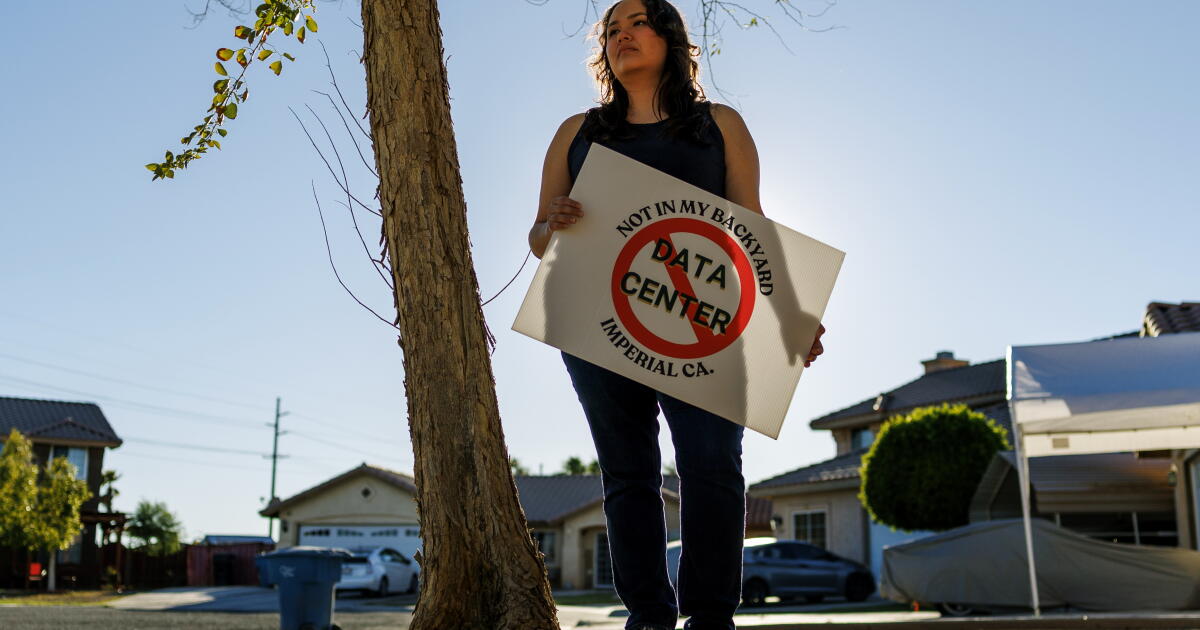
Grassroots opposition is blocking or delaying at least $200 billion in U.S. data-center projects as residents push back against artificial-intelligence infrastructure. LA Times reports that 45 projects worth $68 billion alone were stalled between April and June 2026. Communities cite concerns about water depletion, power-grid strain, noise pollution and neighborhood disruption—even as Amazon, Microsoft, Meta and Google race to build AI capacity.
The backlash is reshaping local policy nationwide. Newsytes reports that moratoriums have been implemented in 14 states including New Jersey, Minnesota and New York. Loudoun County, Virginia—home to roughly 250 data centers and a global hub—voted to pause new applications for up to 12 months while drafting stricter rules. Similar freezes are spreading across South Carolina and Michigan, reflecting how communities are forcing tech giants to negotiate.
Public Opinion Turns Sharply Against AI Data Centers
A March Gallup survey shows the depth of local resistance: 70% of Americans oppose building AI data centers nearby, with 48% strongly opposed. Bridge Michigan reports that fewer than 20% of Michigan local officials believe data centers deliver real value. The disconnect is stark—tech companies see these facilities as essential; residents see them as threats to quality of life.
Loudoun County Tightens Rules on Data-Center Growth
Virginia's largest data-center hub is hitting pause. Loudoun County supervisors voted to direct staff to prepare a resolution freezing certain applications for up to 12 months. The county cannot impose a formal moratorium under Virginia law, so the pause targets only legislative applications—those needing rezoning or special exceptions—leaving others unaffected.
Supervisor Mike Turner proposed specific safeguards for the next phase: a 500-foot setback from homes, a maximum noise level of 45 decibels at property lines, and elimination of low-frequency infrasound described as a persistent tunnel hum. These standards aim to protect residents while allowing controlled growth.
South Carolina and Michigan Launch Formal Moratoriums
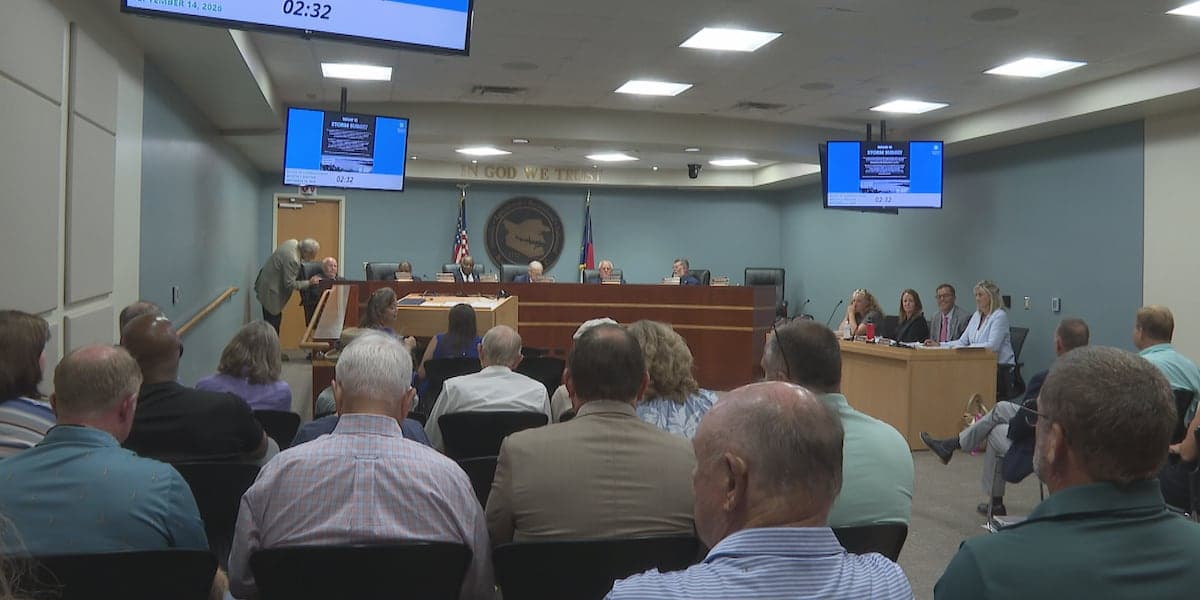
South Carolina counties are moving faster. Laurens County approved a full moratorium stopping all acceptance, review and approval of data-center permits. Greenwood and Anderson counties adopted identical restrictions. WKZO reports that Kalamazoo, Michigan approved its own moratorium on data-center applications at City Hall, effective within two weeks.
Officials in these counties are using the freeze to study infrastructure, zoning, environmental impacts and emergency-service capacity. The research aims to establish rules before reopening the process—a strategy spreading across multiple states that have introduced over 300 data-center bills in just six weeks.
Tech Giants Face a Massive Infrastructure Bill
The delays hit companies during a critical moment. CNBC reports that tech firms plan $700 billion in AI infrastructure and development spending this year alone. Every month of local delays compounds costs and pushes timelines back. The industry expected smooth approvals; instead, it faces sustained grassroots resistance that shows no signs of easing.
Sentiment
Mostly NegativeNEGATIVENEUTRALPOSITIVE
Publishers
25
Articles
10
Reach
35
A
AnonymousAuthor