Supreme Court Voter Checks
Supreme Court Temporarily Allows Expanded Voter Database Checks for Potential Noncitizens
Anonymous
Key Points
1
SAVE was originally created in 1986 to verify the citizenship of people applying for government benefits; the Trump administration later expanded it for voter-eligibility checks and to produce federal citizenship lists that could supplant state voter rolls.
2
The revamped database added records on native-born Americans, and critics say its outdated information can cause naturalized citizens to be mislabeled as noncitizens.
3
The SAVE system has a documented history of false positives involving alleged noncitizen voting, with some claims later found untrue on closer examination.
4
The dispute comes amid broader federal involvement in election administration ahead of the November midterms, even though the Constitution gives states primary authority to run elections.
5
The district judge who blocked the expanded system said the administration had “knowingly trampled on the privacy rights of American citizens” in a way that threatened the right to vote.
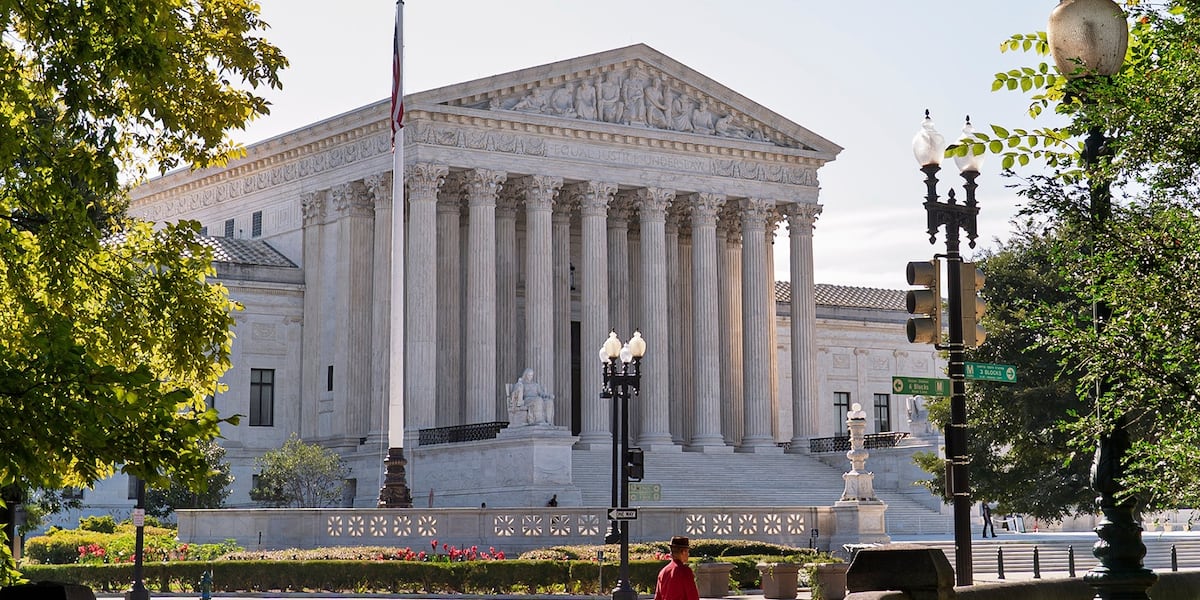
The Supreme Court ruled 6-3 to allow the Trump administration to use an expanded SAVE database to check voter rolls for noncitizens, overturning a lower-court block KPTV. The Systematic Alien Verification for Entitlements system, originally created in 1986 to verify citizenship for government benefits, has been revamped to search Social Security records and flag potential noncitizens. Justice Ketanji Brown Jackson dissented, warning that eligible voters could be wrongly removed from rolls.
Voting-rights groups say the database's bulk searches and use of Social Security numbers could disenfranchise naturalized citizens whose records were never updated after they gained citizenship WFSB. The dispute pits election integrity against voter privacy as the Trump administration moves ahead with federal oversight of state elections before November's midterms.
From Benefit Verification to Voter Screening
SAVE started in 1986 to check citizenship for people applying for government benefits like welfare and food assistance Fox5Vegas. In 2025, President Trump expanded it dramatically. The new system merged Social Security records and added information on native-born Americans, enabling bulk searches across entire voter rolls instead of one-by-one checks.
Before the court blocked it in June, officials ran checks on over 67 million registered voters. Texas alone processed its entire list of 18 million voters in bulk. The system can handle over 1 million requests per day, and 27 states had signed up to use it.
How Outdated Records Could Flag Eligible Voters
Critics warn the expanded SAVE database relies on Social Security records that are often outdated. When someone becomes a citizen through naturalization, their SSA file may never be updated. This causes the system to mislabel them as noncitizens and flag them for removal from voter rolls.
A district judge who initially blocked the system found the administration had "knowingly trampled on the privacy rights of American citizens" WSAW. Voting-rights groups like the League of Women Voters and the Electronic Privacy Information Center argue the database's overall error rate is unknown and could cause mass disenfranchisement of lawful voters.
Jackson's Dissent: The Risk Outweighs the Benefit
Justice Ketanji Brown Jackson wrote the dissent, joined by Justices Sotomayor and Kagan. She argued that harming even a few lawful voters outweighs any benefit. Jackson said the government "likely lacks the authority" to expand SAVE this way and called the majority's privacy analysis "implausible."
Jackson warned that bulk Social Security searches expose confidential citizen data without proven election need. She noted noncitizen voting is exceedingly rare, while the risk of removing eligible Americans is real and measurable. The majority, she wrote, ignored actual voter harm in favor of an unproven election-integrity theory.
What Happens Next in Elections and Courts
The Supreme Court's order temporarily lifts the lower-court block while appeals continue in the D.C. Circuit. However, federal law limits how much damage the system can do before November. States cannot "systematically" remove voters from rolls within 90 days of an election, which constrains the midterm impact HawaiiNewsNow.
For now, the federal government can help states with individual citizenship inquiries and compile federal lists. But the ruling marks a major victory for the Trump administration's broader push for federal involvement in state elections—an area the Constitution reserves primarily to states themselves.
Sentiment
Mostly NegativeNEGATIVENEUTRALPOSITIVE
Publishers
46
Articles
252
Reach
298
A
AnonymousAuthor


