Voter Database Ruling
Supreme Court permits Trump administration to use expanded voter database during legal challenges.
Anonymous
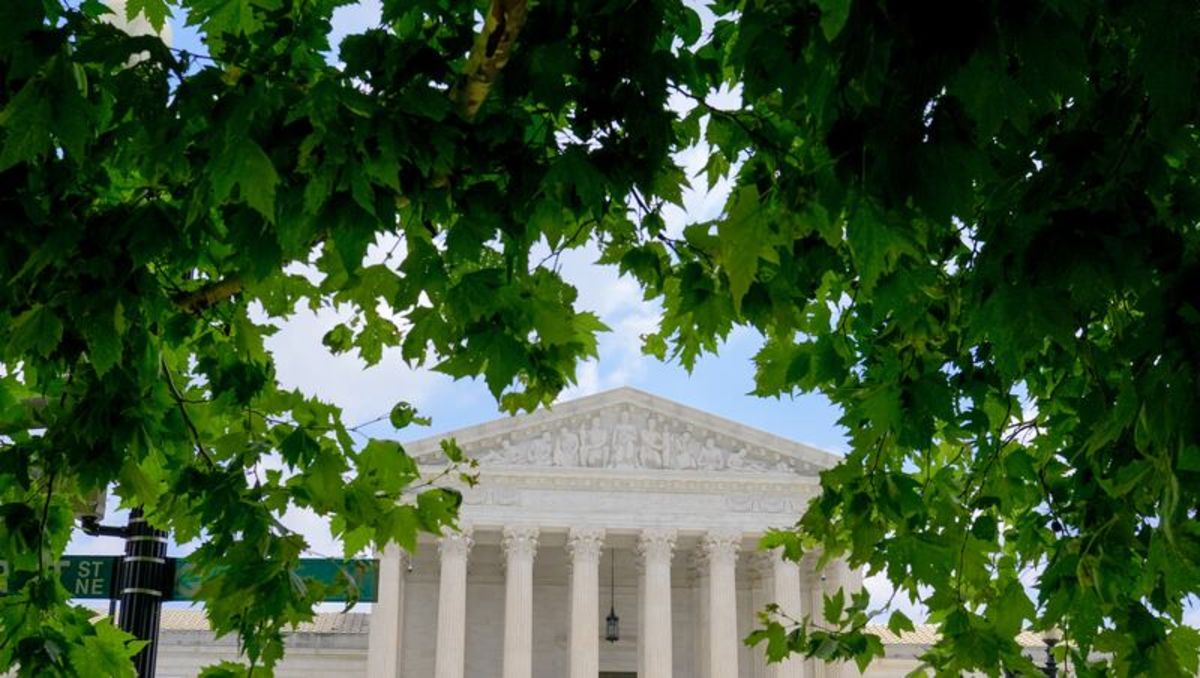
The Supreme Court, in a 6-3 emergency ruling, allowed the Trump administration to resume using its expanded SAVE database to help states check voter rolls for citizenship while legal challenges continue. Expanded to include Social Security records and bulk searches, the system has reportedly screened more than 65 million voters in 26 states and flagged 28,635 as potential noncitizens; states are not required to use it. The majority said federal law likely authorizes the data-sharing, while dissenters warned that inaccurate or outdated records could burden eligible voters, and reports indicate some flagged voters were citizens. North Carolina officials welcomed the ruling, but it remains unclear whether the state will use the database before the November election. Separately, a 2-1 Sixth Circuit ruling reinstated Ohio’s requirement that people provide documentary proof of U.S. citizenship to register at Bureau of Motor Vehicles offices, pausing a lower-court injunction as the case continues.
Key Points
1
North Carolina’s Republican-majority elections board had already voted in April to use SAVE. In July, the state said DHS had identified 1,599 potential noncitizens on its voter rolls, though there was no immediate indication that any had voted.
2
The revamped system can also check whether voters are listed as deceased in federal records, and DHS encouraged states to upload their entire voter rolls for screening.
3
The federal district judge who blocked the expanded system found that aggregating and disclosing sensitive data likely violated the Social Security Act, the Privacy Act and the Administrative Procedure Act.
4
The administration’s expansion followed a March 2025 executive order directing DHS and the Social Security Administration to make systems available for governments to verify citizenship and immigration status.
Sentiment
Mostly NegativeNEGATIVENEUTRALPOSITIVE
Publishers
27
Articles
72
Reach
99
Topics
A
AnonymousAuthor


