Northern Australia Reef Discovery
Satellite Mapping Reveals More Than 1,000 Uncharted Coral Reefs Off Northern Australia
Anonymous
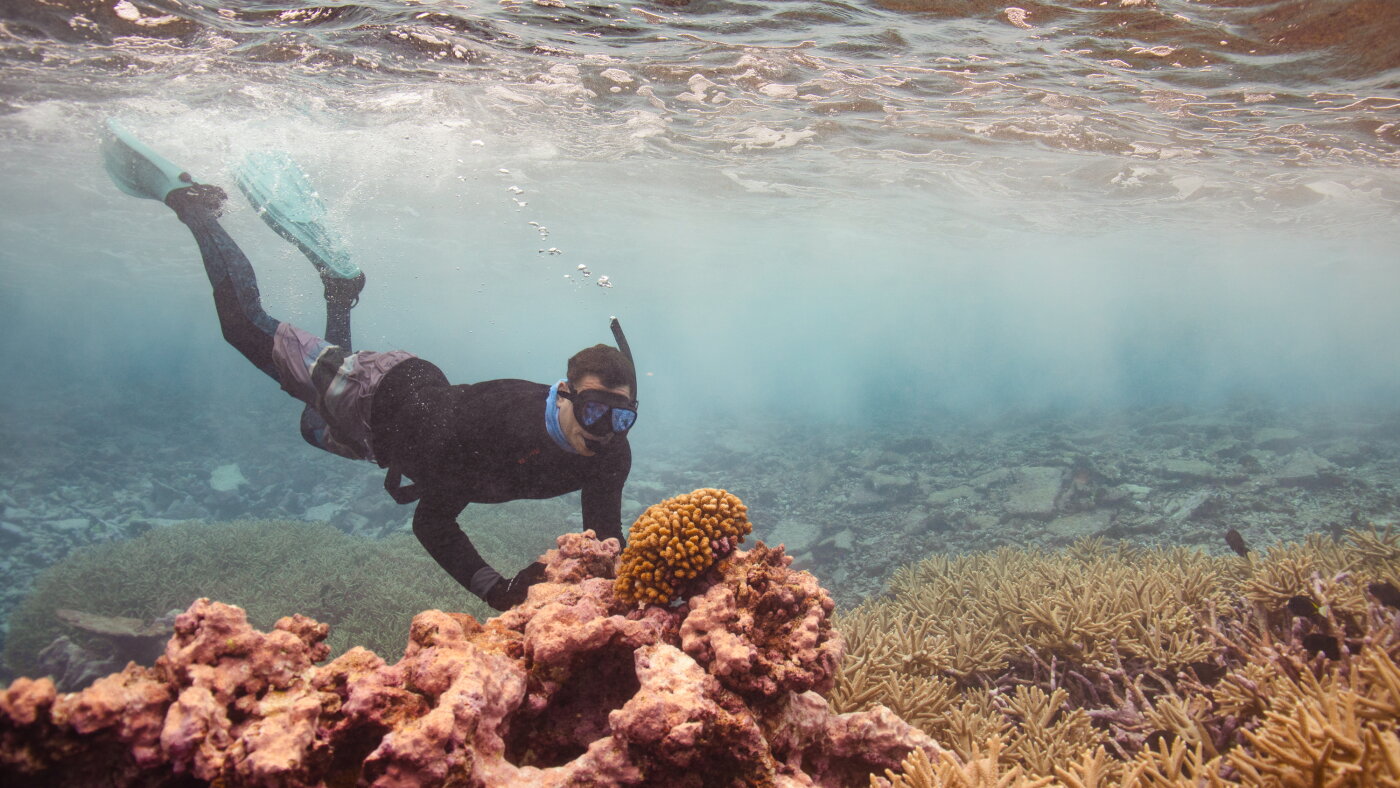
Recent research and reporting highlight several complementary approaches to understanding and restoring coral reefs. A new perspective argues that restoration goals should be explicit because protecting reef-building species, coastal defenses, fisheries, and places important to communities can call for different interventions and measures of success. At Western Australia’s Ningaloo Reef, researchers established the first reproductive baseline for two key Porites species, information that could help assess recovery and guide restoration; a third species showed no reproductive signs during sampling, underscoring the need for year-round monitoring. Separately, satellite analysis mapped more than 1,000 previously undocumented reefs off northern Australia, expanding knowledge of the region’s reef systems. Palmyra Atoll offers another potential source of lessons: despite recent heat stress, its relatively undisturbed reefs have shown signs of recovery after a prior marine heat wave, while researchers warn that continued ocean warming threatens even remote reefs.
Key Points
1
The restoration-goals paper was prompted by a controversial proposal to explore whether Indo-Pacific corals might someday be introduced into the Caribbean to replace ecological functions that native corals may no longer provide.
2
The newly mapped northern Australian reefs were identified by combining about 200 satellite images of the same waters to reduce the visual interference of shifting sediment; researchers then manually classified the reefs, a process that took about 700 hours. The resulting map covers more than 3,600 coral reefs and 2,900 rocky reefs.
3
Researchers warn that regional differences in coral spawning timing could mean populations are reproductively isolated, potentially limiting their ability to replenish one another after marine heatwaves or cyclones.
4
Ningaloo’s reproductive baseline was based on an examination of 20 coral colonies. Lead author David Juszkiewicz emphasized that survival after bleaching is not enough for recovery: surviving corals must produce offspring, and knowing when they spawn can help restoration programs collect eggs and larvae.
Sentiment
Mostly NegativeNEGATIVENEUTRALPOSITIVE
Publishers
7
Articles
33
Reach
40
Topics
A
AnonymousAuthor