US Blocks Sudan Visa
US Withholds UN Visa From Sudan Army Chief Over Ceasefire Demand
Anonymous
Key Points
1
Sudan is currently represented at the United Nations in New York by Foreign Minister Mohieldin Salem, rather than Burhan.
2
Burhan has addressed the U.N. General Assembly twice since the war began in April 2023.
3
The U.S. effort to bring Sudan’s rivals to negotiations has involved Saudi Arabia, Egypt and the United Arab Emirates, alongside Washington.
4
Burhan and RSF commander Mohamed Hamdan Dagalo previously shared power after the 2021 coup, but later split in a power struggle that helped trigger the war.
5
The United States imposed sanctions on both Burhan and RSF leader Mohamed Hamdan Dagalo last year, according to one report.
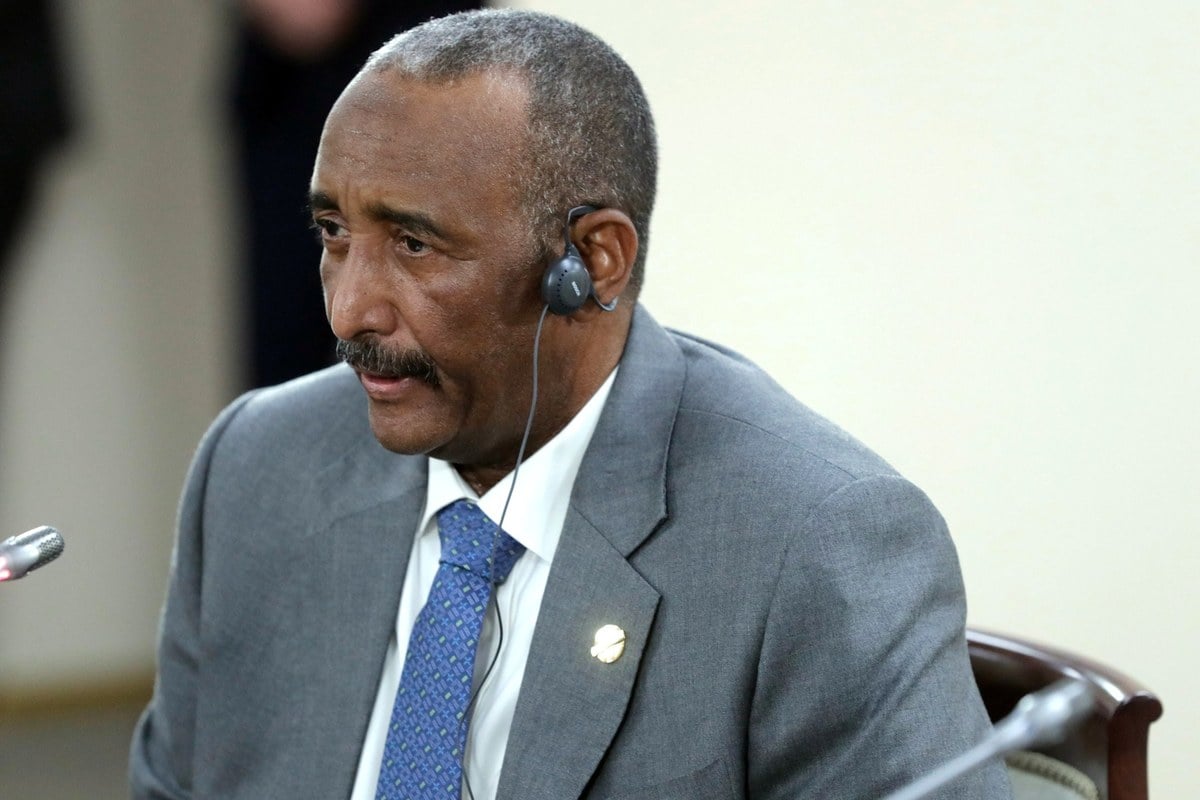
The United States is blocking Sudan's army chief Abdel Fattah al-Burhan from entering the country to address the U.N. General Assembly, according to Al Jazeera. Hoodline reports Washington tied the visa denial to Burhan's refusal to accept a U.S.-backed 90-day ceasefire plan. Sudan's government called the move illegal and asked U.N. Secretary-General António Guterres to intervene, saying it violates agreements protecting U.N. access.
The dispute marks another flashpoint in U.S.-Sudan relations as the army wages war against the Rapid Support Forces, a rival militia. The Reporter Ethiopia notes the visa block strips diplomatic legitimacy from Sudan's competing factions. The conflict has created one of the world's worst humanitarian crises, with millions facing hunger and disease.
Why the U.S. Is Weaponizing the Visa
The U.S. strategy uses Burhan's scheduled U.N. speech as leverage to force peace talks. Hoodline explains Washington demands Burhan accept a 90-day truce as the price of entry. Saudi Arabia, Egypt, and the United Arab Emirates back the American effort to broker negotiations. Burhan has refused the ceasefire terms, viewing them as a threat to his military position in the ongoing power struggle.
This pressure tactic is unusual. Modern Diplomacy reports the U.S. previously imposed sanctions on both Burhan and RSF leader Mohamed Hamdan Dagalo last year. Blocking a head of state's U.N. access opens new diplomatic terrain and signals Washington's frustration with military stalemate.
Sudan Accuses U.S. of Violating International Law
Sudan's government formally complained to the U.N., arguing the U.S. visa denial breaches its legal obligation to grant access to assembly members. Al Jazeera reports Sudan's U.N. ambassador filed a complaint with Secretary-General Guterres. The U.N. Secretariat acknowledged the matter and said it raised concerns with U.S. authorities. Sudan is currently represented by Foreign Minister Mohieldin Salem instead of Burhan.
International law governing U.N. headquarters requires member states grant visa access for official representatives. The Reporter Ethiopia notes the U.S. move represents an unprecedented use of visa authority against a sitting military leader. Sudanese activists and journalists condemned the tactic, viewing it as outside pressure on an internal conflict.
How the War Fractured Sudan's Power Structure
Burhan and RSF leader Dagalo once ruled Sudan together after a 2021 military coup. Modern Diplomacy explains the two commanders split in a deadly power struggle that erupted into full war in April 2023. The conflict killed tens of thousands and displaced millions across the country. Neither side shows signs of accepting compromise or international mediation.
Burhan has addressed the U.N. General Assembly twice since the war began, maintaining his seat despite military losses. Denying him entry this year signals a U.S. pivot toward conditioning diplomatic access on behavioral change. Whether the strategy pressures Burhan toward peace talks or simply hardens his resistance remains unclear as the humanitarian crisis deepens.
Sentiment
Mostly NegativeNEGATIVENEUTRALPOSITIVE
Publishers
22
Articles
117
Reach
139
A
AnonymousAuthor