Gold and Ceremony Controversy
South Korea secures fourth consecutive gold medal amid ceremony flag mishap.
Anonymous
Key Points
1
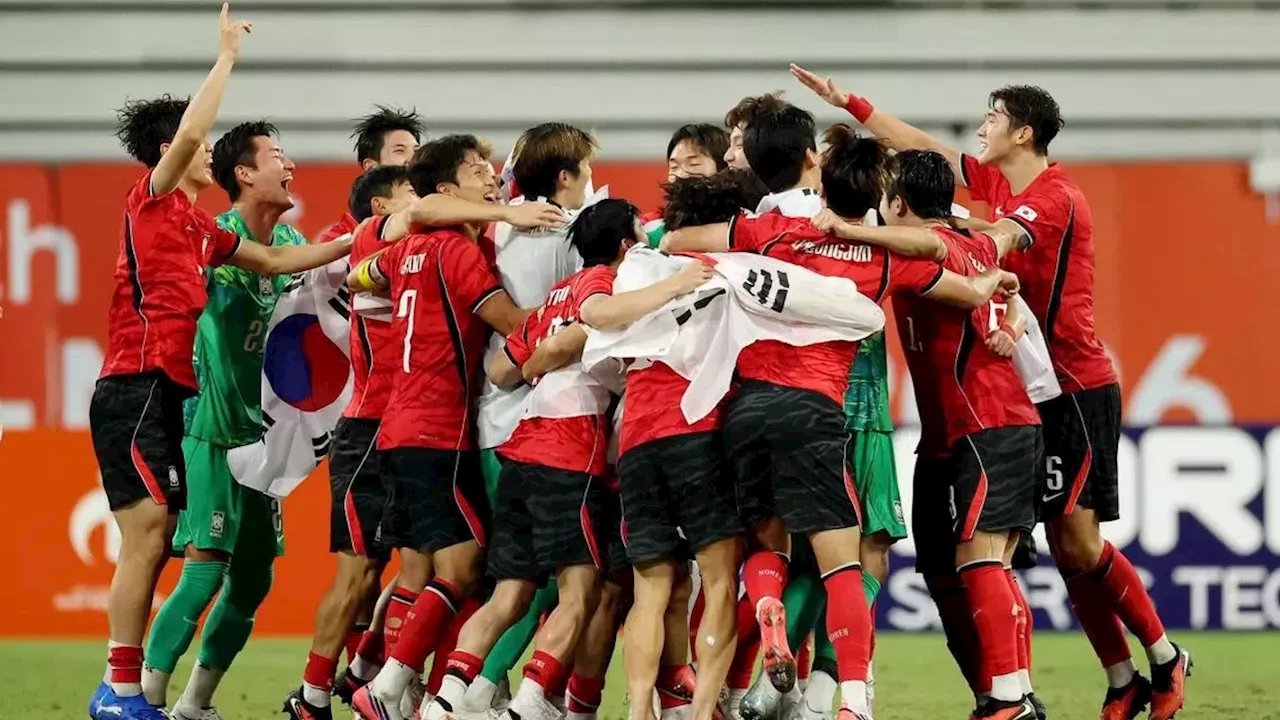
South Korea’s winning goal was scored by Eom Ji-seong, according to a report that also said the gold medal gave most of the squad a military-service exemption, potentially easing their path to continue or pursue professional careers abroad.
2
The victory extended South Korea’s all-time record to seven Asian Games men’s football titles; the team had also beaten Japan in three consecutive finals before this match.
3
Korean Sport & Olympic Committee President Yoo Seung-min presented the medals at the ceremony, adding significance for the South Korean delegation, the report noted.
4
A separate competition-day mishap affected the esports eFootball event: an on-site staffer reportedly sent Qatar’s team the wrong way, causing it to arrive late and be disqualified, with South Korea advancing by forfeit.
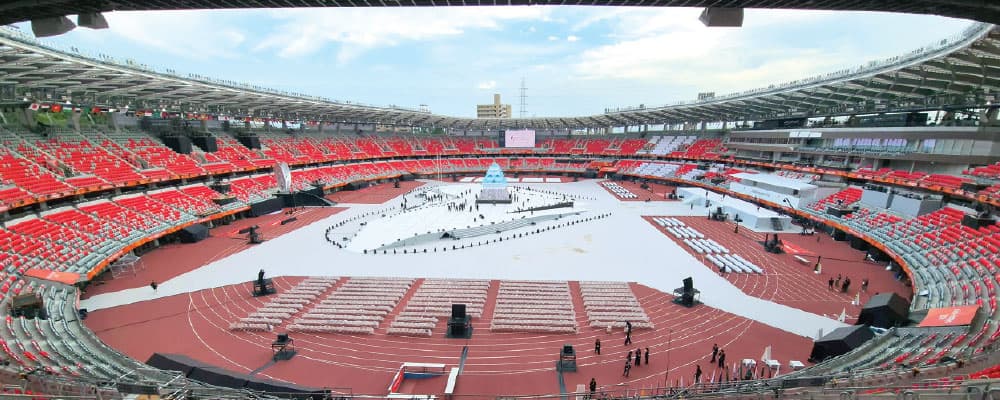
South Korea won gold in men's soccer at the 2026 Aichi-Nagoya Asian Games, defeating Japan 1-0 to claim its fourth consecutive title. But the victory was marred when AFP reported the South Korean flag failed to rise during the medal ceremony, staying lowered while the national anthem played. The mishap left players confused and sparked loud boos from the crowd, adding to growing criticism of the Games' operations.
Sporting Tribune reported that captain Lee Gi-hyuk later apologized for boasting about his gold medal granting military service exemption—a major benefit under South Korean law. The flag incident fueled debate: some fans saw it as deliberate, while others blamed widespread operational problems that plagued the Games, from transportation delays to playing North Korea's anthem at a South Korean hockey match.
Eom Ji-sung's Goal Secures Military Exemption for Squad
Forward Eom Ji-sung scored the winning goal at the 60-minute mark in the final at Toyota Stadium. Japan Today noted the victory grants most squad members exemption from South Korea's mandatory 18-month military service. This benefit allows rising stars like Ji-sung, who plays for Swansea City, to continue their European professional careers without interruption.
The gold medal extends South Korea's record to seven all-time men's football titles at the Asian Games. The team also won its third straight final against Japan, according to Times of India, marking dominance in East Asian soccer competition.
Flag Stays Down as National Anthem Plays
During the medal ceremony, South Korea's center flag failed to rise as the anthem began. AFP reported Japan's silver medal flag and China's bronze flag hoisted properly, but Korean marshals struggled with the South Korean flag, leaving it lowered throughout the song. After the anthem ended, staff finally raised the flag—triggering loud boos from spectators who had watched Japan's flag sit higher on the pole.
Captain Lee Gi-hyuk expressed frustration, telling Sporting Tribune he found the moment "disappointing" after the team worked so hard to reach the podium. Some Korean fans viewed the incident as intentional disrespect, especially since it occurred on South Korea's National Foundation Day. However, no evidence supports deliberate sabotage.
Games Plagued by Transportation and Protocol Errors
The flag mishap fit a pattern of operational failures. Earlier, organizers played North Korea's national anthem for the South Korean women's hockey team. Japan Today reported buses arrived 30 minutes late, and badminton matches ran past midnight due to scheduling strain. The organizing committee dispersed athletes across hotels and even cruise ships to cut costs.
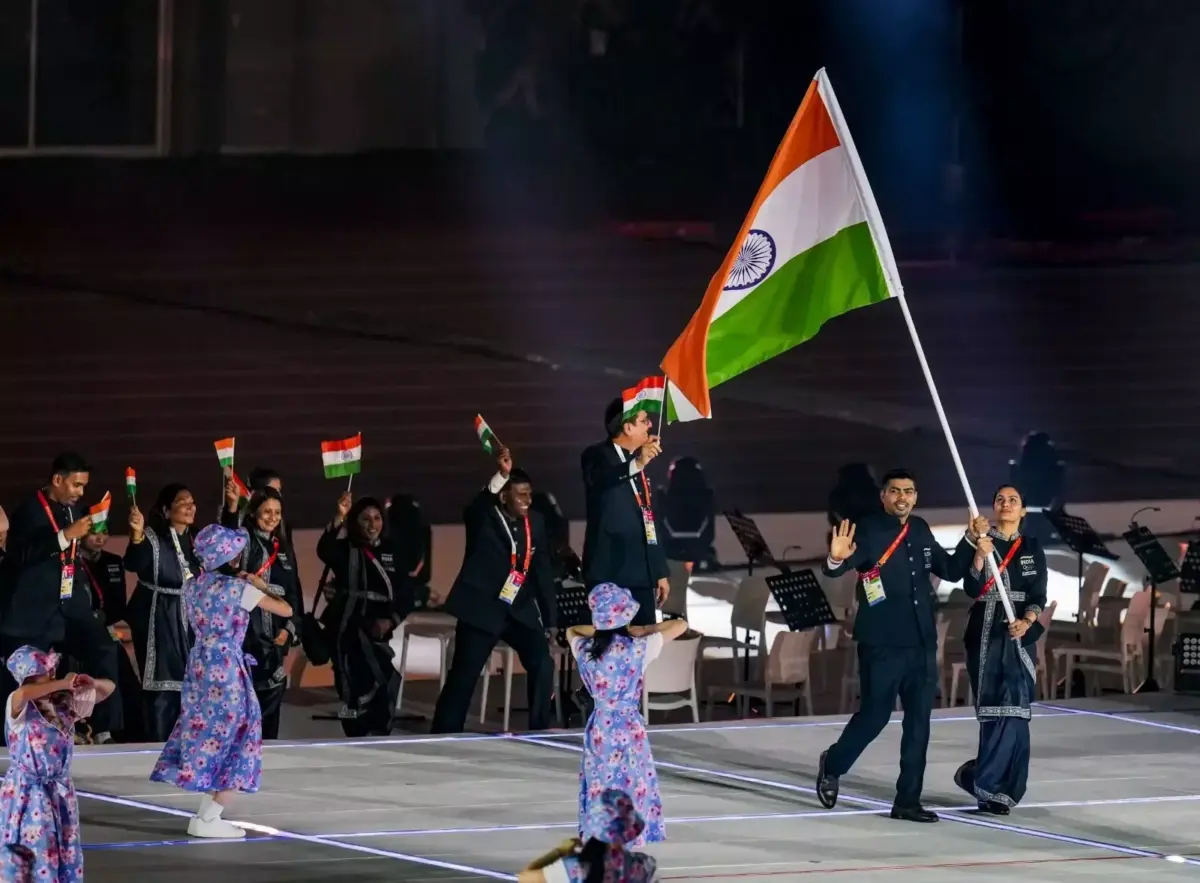
Additional errors included listing the wrong athlete as flag bearer and temporarily misnaming South Korea as "Taiwan" during competitions. AFP noted the Korean Sport & Olympic Committee filed formal complaints demanding investigations into staff training and equipment failures.
Military Exemption Lifts South Korea's Soccer Program
The gold medal provides crucial career relief for young professionals. Times of India explained that without the exemption, players would lose 18 months to military duty, derailing European club contracts. Nine of the 23-man squad play overseas, making the exemption economically vital.
The victory also revives South Korea's soccer standing after recent setbacks. The national team exited the 2026 World Cup in the group stage, and police raids struck the Korea Football Association headquarters. This gold medal signals a reset for the domestic program under manager Lee Min-sung.
Sentiment
Mostly NegativeNEGATIVENEUTRALPOSITIVE
Publishers
39
Articles
51
Reach
90
A
AnonymousAuthor