Voice Publicity Rights
Tokyo Court Rules Unauthorized Voice Imitation Violates Personal Publicity Rights
Anonymous
Key Points
1
Japan has no statute explicitly defining a right to one’s voice, and voices are not protected as such by copyright law. The publicity right was first recognized by Japan’s Supreme Court in 2012.
2
Tsuda’s lawyer, Takashi Hirano, said the ruling could deter similar harm by clarifying that unauthorized voice use can infringe publicity rights.
3
The account posted 188 videos, and by November 2025 had more than 200,000 subscribers; viewers often commented on the narrator’s resemblance to Tsuda.
4
The account operator said the narration used a standard male voice that could not be mistaken for Tsuda’s; the poster reportedly said the AI had been trained on a friend’s voice.
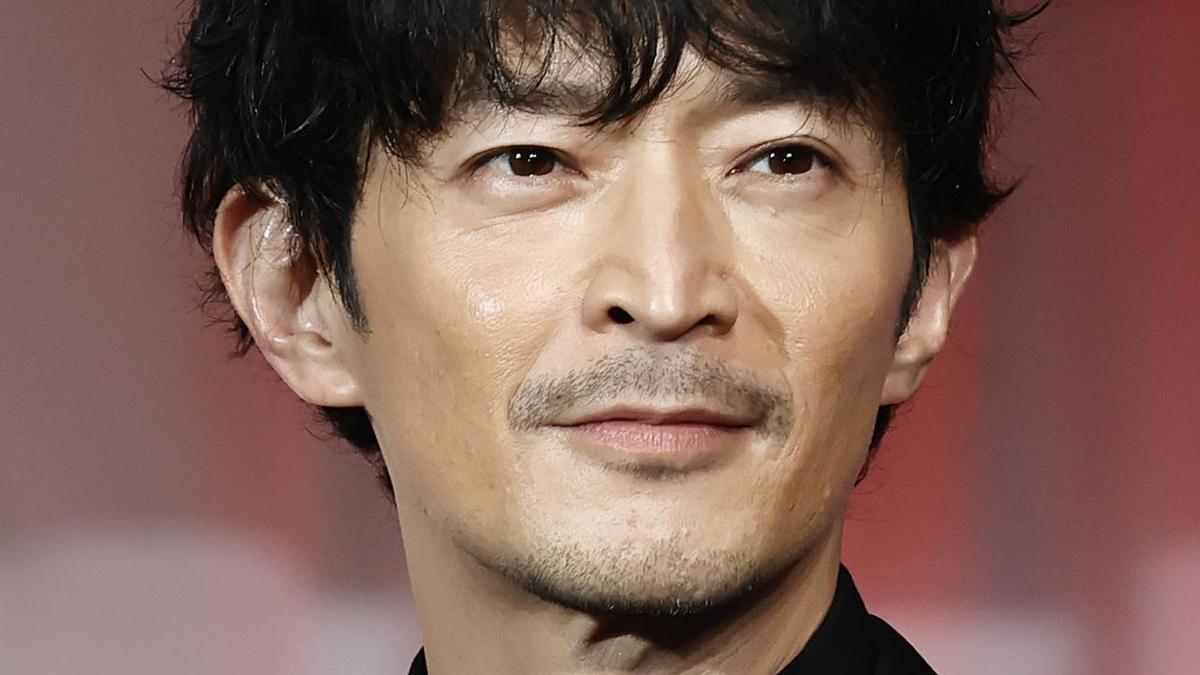
Japan's Tokyo District Court ruled on September 30 that a person's voice can be protected by publicity rights when used without permission to make money. TechRepublic reported that the landmark decision came from voice actor Kenjiro Tsuda's lawsuit over TikTok videos that allegedly imitated his distinctive voice using artificial intelligence. The court did not decide whether the videos actually copied Tsuda's voice or determine if AI was involved, and declined to order their removal because the account had already been deleted.
Japan's New Protection for Distinctive Voices
Japan has no law that directly protects a person's voice, and voices are not covered by copyright. Perth Now explained that this ruling marks the first time Japan's courts have recognized publicity rights protecting voices from unauthorized commercial use. The publicity right itself was first recognized by Japan's Supreme Court in 2012 but had never been applied to voices specifically.
Tsuda's lawyer, Takashi Hirano, said the ruling could prevent similar harm by making clear that unauthorized voice use can violate publicity rights. The decision allows performers to seek legal remedies when their voices are copied for commercial purposes, though it does not give them blanket ownership over any similar-sounding voice.
The TikTok Account That Sparked the Case
The disputed TikTok account posted 188 videos and gained more than 200,000 subscribers by November 2025. Great Lakes Advocate reported that viewers frequently commented on how much the narrator resembled Tsuda's voice. The account operator claimed the narration used a standard male voice that could not be mistaken for Tsuda's distinctive tone.
The account's creator said the AI had been trained on a friend's voice, not Tsuda's. However, the court's ruling suggests that even if the voice was trained on someone else, using it to sound like a famous performer's distinctive voice could still infringe their publicity rights.
What This Means for AI Voice Technology
The ruling does not settle whether the TikTok videos actually copied Tsuda's voice using AI technology. Lismore City News noted that the court avoided making that determination, likely because the account had already been deleted before the case concluded. This leaves many technical questions unanswered about how courts will assess voice similarity in future cases.
Despite these limits, the decision establishes an important principle: voices can now be treated like faces or names under publicity rights law. This could make it easier for actors, singers, and other performers to fight unauthorized commercial use of their voices as AI technology becomes more sophisticated and accessible.
Sentiment
Mostly NegativeNEGATIVENEUTRALPOSITIVE
Publishers
19
Articles
109
Reach
128
A
AnonymousAuthor


