Heavy Rain Warnings Issued
India Meteorological Department Forecasts Heavy Rainfall and Thunderstorms Across Six States
Anonymous
Key Points
1
The IMD advised residents in the affected Tamil Nadu districts to follow safety guidelines and limit outdoor travel during periods of heavy rain, thunderstorms and strong winds.
2
The forecast also covers Konkan, Goa and Lakshadweep, where thunderstorms, lightning and gusty winds are expected on September 18; similar conditions are forecast in parts of Northeast India over the following two days.
3
New Delhi is expected to have partly cloudy skies on September 18, a condition not included in the summary’s state-level forecast.
4
In Bhopal, the minimum temperature is forecast at about 24°C, with cool winds of 10–12 kmph accompanying the afternoon or evening showers.
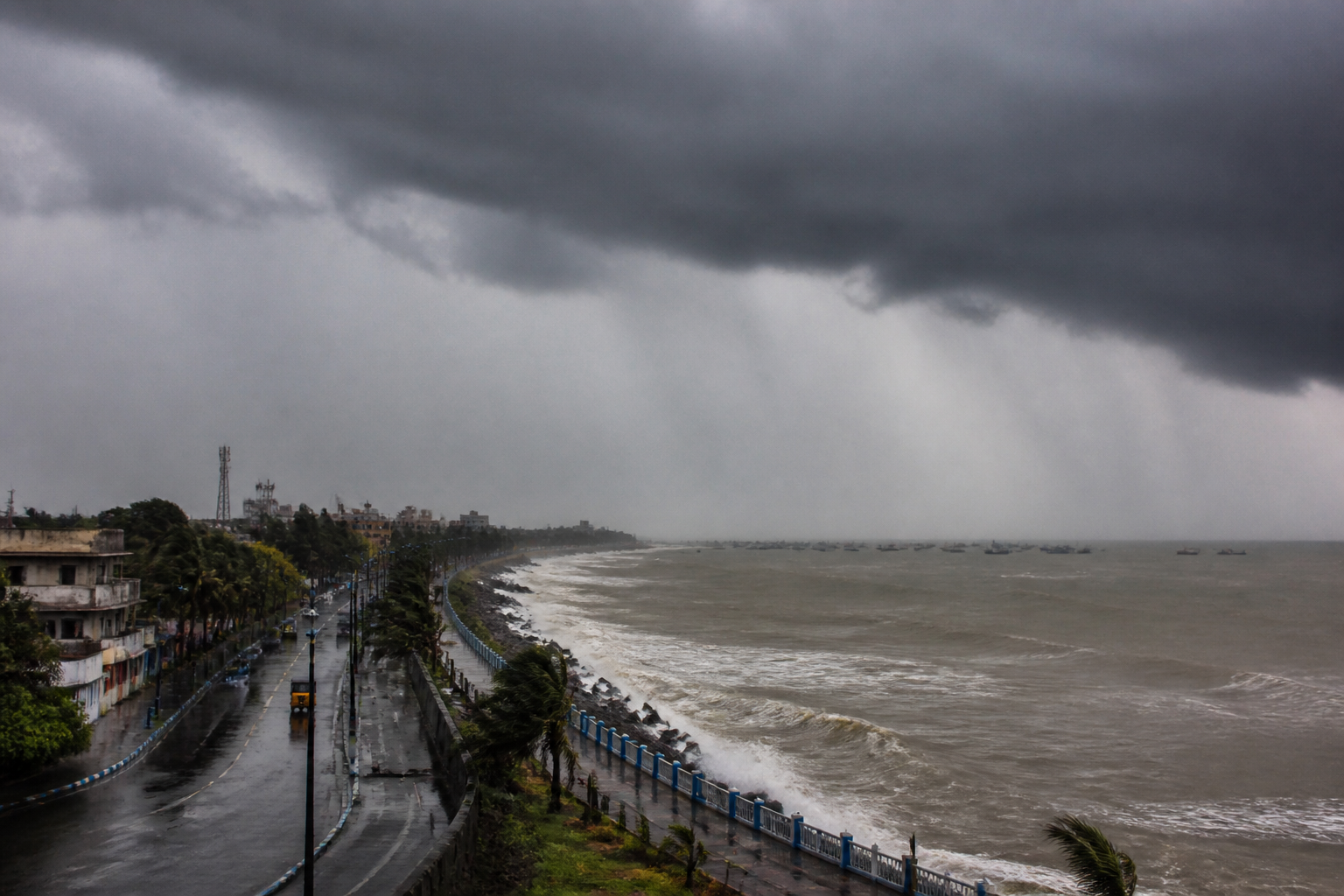
India's meteorological department issued a sweeping multi-state alert on September 17 for heavy rainfall and severe thunderstorms set to batter six states on September 18. IMD warned that Bihar, Odisha, Sub-Himalayan West Bengal, Sikkim, Kerala, and Rajasthan will face intense downpours, while 15 additional states and territories will experience thunderstorms, lightning, and gusty winds reaching 40–50 kmph.
The deluge is expected to intensify over the next 72 hours, with Tamil Nadu facing continued heavy rain through Sunday that could trigger waterlogging in low-lying areas. IMD advised residents in affected districts to avoid outdoor travel during peak downpours and lightning strikes, while state authorities prepared urban flood response teams across Chennai, Bhopal, and other major cities.
A Low-Pressure System Drives Nationwide Storms
The heavy rainfall stems from an upper-air cyclonic circulation over the Bay of Bengal and a trough extending across Tamil Nadu toward the Gulf of Mannar, India Meteorological Department reported. Dr. Mrutyunjay Mohapatra, the IMD's director general, clarified that the system remains a developing low-pressure zone—not a cyclone—and urged the public to disregard social media rumors about imminent cyclonic threats.
Mahesh Palawat, vice-president of Skymet Weather, framed the late-September storms within the monsoon's seasonal withdrawal phase, explaining that late-season convective rainfall is typical as wind patterns shift. Surface winds will peak at 40–50 kmph in Tamil Nadu, with isolated storm pockets potentially reaching 60–85 kmph.
Chennai and Southern Cities Braced for Three-Day Downpour
Chennai and numerous Tamil Nadu districts face moderate to heavy rain continuing through Sunday, with daytime highs near 37°C and evening temperatures dropping sharply. IMD warned of light-to-moderate evening rains and heavy downpours in some areas, heightening waterlogging risks across the coastal city's low-lying neighborhoods and drainage-prone zones.
State administrators activated urban flood response protocols and advised residents in flood-vulnerable areas to prepare for localized drainage congestion. Bhopal faces similar afternoon and evening showers with temperatures near 33°C and cool winds of 10–12 kmph, while overnight minimums will drop to around 24°C across both cities.
Six States Hit Hardest; 15 Others Face Lightning and Gusty Winds
IMD's alert designated Bihar, Odisha, Sub-Himalayan West Bengal, Sikkim, Kerala, and Rajasthan as primary impact zones on September 18. Heavy rainfall will also extend into Kerala and southern Rajasthan, affecting both agricultural and urban communities across rain-shadow regions that typically miss Southwest Monsoon downpours.
Uttarakhand, Andhra Pradesh, Chhattisgarh, Gujarat, Madhya Pradesh, Karnataka, Tamil Nadu, Puducherry, Konkan, Goa, Lakshadweep, and the Andaman & Nicobar Islands face thunderstorms, lightning, and strong winds on September 18, with similar conditions forecast across Northeast India through September 20. IMD specifically urged residents to limit outdoor activity, avoid handling electrical equipment during lightning strikes, and monitor local flood warnings.
Monsoon Withdrawal Creates Favorable Conditions for Late-Season Rain
The convergence of late-season convective activity and monsoon withdrawal patterns is creating the conditions for intense short-duration rain spells across East, North, and South India. Mahesh Palawat noted that South Peninsular regions like Tamil Nadu typically sit in rain-shadow areas during the main Southwest Monsoon season, making these late-September downpours critical for reducing cumulative seasonal rainfall deficits.
Economic risks include waterlogging that could disrupt urban transportation, crop damage from severe lightning and strong surface winds, and localized power outages in exposed areas. The September 19–21 window will see rainfall continue over Tamil Nadu and South Peninsular zones while conditions gradually become favorable for the monsoon's complete withdrawal from West Rajasthan by late September.
Sentiment
Mostly NegativeNEGATIVENEUTRALPOSITIVE
Publishers
44
Articles
27
Reach
71
Topics
A
AnonymousAuthor


