Boeing Strike Averted
Boeing white-collar union approves new contract, averting a potential strike by 17,000 workers.
Anonymous
Key Points
1
The vote was close in SPEEA’s technical unit: 67.6% of the professional unit approved the contract, compared with 53.5% of the technical unit.
2
SPEEA said the agreement guarantees a 10% wage increase upon ratification, followed by annual raises of 4%, with a possible additional 2% increase tied to performance.
3
SPEEA’s negotiating team said rebuilding trust with members—eroded over decades—and restoring aerospace professionals and technicians to the center of Boeing’s priorities remained important work after ratification.
4
Boeing shares rose 3.4% on Thursday after the ratification results were announced.
Boeing's white-collar union voted to approve a new four-year contract on Thursday, averting a strike by about 17,000 engineers, scientists, and technicians. SPEEA members will receive an immediate 10% wage increase upon ratification, followed by annual raises of 4% plus a possible 2% performance bonus. The close vote—67.6% approval in the professional unit and 53.5% in the technical unit—signals lingering worker frustration, but it clears the way for Boeing to keep production moving.
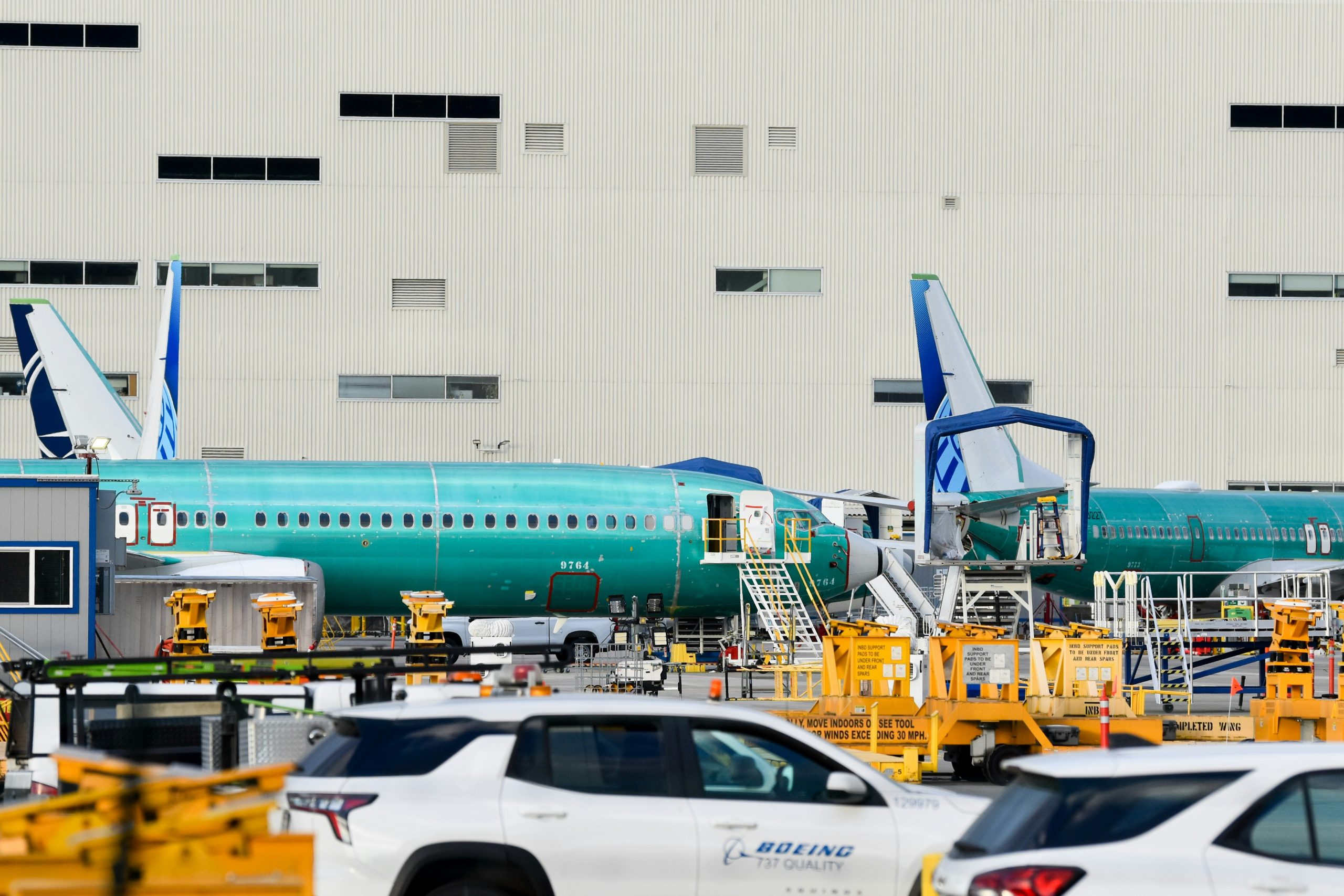
A strike would have crippled Boeing's already-troubled recovery efforts and delayed certification of the 777X and 737 MAX 10 jets. Boeing shares jumped 3.4% after the ratification results, reflecting investor relief that the company avoided costly production disruptions and can now focus on meeting customer commitments.
Union Secures Wins After Earlier Rejection
Workers had rejected an earlier contract offer before SPEEA's negotiating team returned with better terms. The new agreement delivers what members had demanded: an upfront 10% raise—not phased in over time—plus consistent annual increases. SPEEA emphasized that the deal represents a shift in how the company treats its engineering and technical workforce after years of strained relations.
Trust remains fragile. SPEEA's leadership acknowledged that rebuilding worker confidence and restoring aerospace professionals to the center of Boeing's priorities is ongoing work. The relatively narrow approval margins, especially among technicians, show how much damage previous negotiations inflicted on union-company relations.
Massive Relief for Boeing's Production Timeline
Boeing faced a nightmare scenario: a walkout by 17,000 skilled workers in the middle of a critical recovery. The company is racing to certify the 777X widebody jet and the 737 MAX 10, both already years behind schedule. A strike would have frozen assembly lines, pushed delivery dates back further, and cost Boeing hundreds of millions in revenue.
The approval gives Boeing the certainty it desperately needs to navigate its production ramp-up and cash burn crisis. The company can now redirect focus to fixing manufacturing quality and meeting the backlog of pending aircraft deliveries instead of bracing for labor action.
A Narrow Victory Masks Deep Worker Discontent
The vote breakdown reveals a workforce split between white-collar professionals and technical staff. The professional unit—engineers and analysts—approved the contract at 67.6%, while the technical unit of technicians and support workers gave it only 53.5% approval. This 14-point gap shows that the two groups have different priorities and satisfaction levels.
Technical staff felt historically undervalued and pushed harder for raises. Even with the new terms, many remain skeptical of Boeing's commitment to treating workers fairly. SPEEA now faces the challenge of delivering on promises made during negotiations while rebuilding credibility for future talks.
Sentiment
Mostly NegativeNEGATIVENEUTRALPOSITIVE
Publishers
21
Articles
117
Reach
138
A
AnonymousAuthor


