UK Airspace Software Failure
A Millisecond Software Defect in Airspace System Grounds Over 2,000 Flights
Anonymous
Key Points
1
The affected module processes “squawk” codes—aircraft identification signals that allow air traffic control to match an aircraft’s altitude, speed and direction with its flight plan and monitor its progress.
2
The failure began with a correctly submitted manual squawk-code request; NATS said there was “nothing abnormal or invalid” about the associated flight plan before the system paused processing it.
3
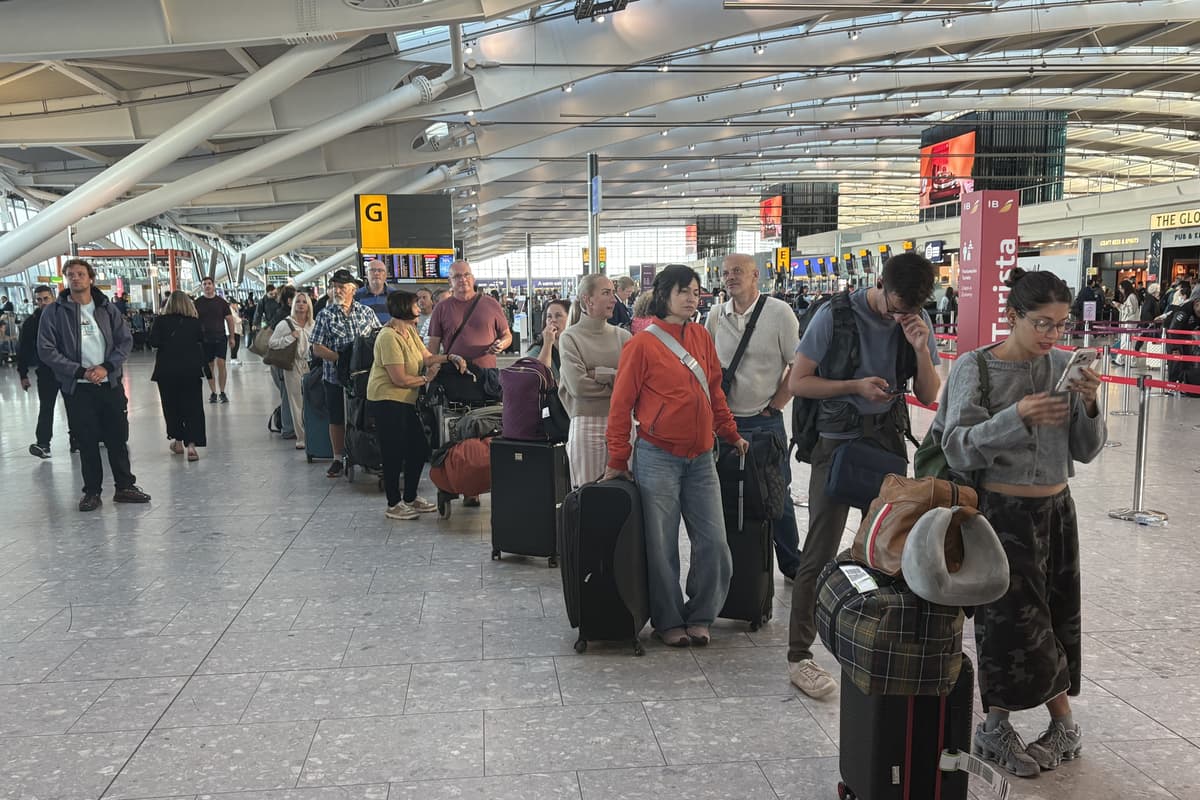
NATS’s preliminary findings put the number of affected flights at approximately 2,163, while disruption included passengers sleeping on airport floors or becoming stranded overseas.
4
The disruption extended beyond Heathrow and Gatwick to other major airports, including Luton and Glasgow, as well as Southampton.
5
NATS described the processing error as occurring “in a millisecond,” underscoring that the incident was an almost instantaneous software failure rather than a prolonged external intervention.
A software defect in a small, previously unknown section of the UK National Airspace System grounded more than 2,000 flights on September 8, disrupting hundreds of thousands of passengers GB News. The failure occurred in milliseconds when the system paused processing a valid aircraft identification-code request to handle a higher-priority message, then produced corrupted data when it resumed Market Screener.
National Air Traffic Services ruled out cyberattacks, sabotage, military activity, and connection to the 2023 major outage This Is The Coast. The UK government has ordered an independent Civil Aviation Authority review of NATS's findings, system resilience, and regulatory accountability while a permanent fix undergoes safety testing.
A Millisecond Error Disrupted Flight Codes
The software defect affected the system that processes "squawk" codes—aircraft identification signals that let air traffic control match each plane's altitude, speed, and direction with its flight plan GB News. A correctly submitted manual squawk-code request triggered the failure. NATS said there was "nothing abnormal or invalid" about the flight plan before the system paused to handle a higher-priority message Market Screener.
When the system resumed processing, it produced corrupted data instead of continuing normally This Is The Coast. The entire failure happened in approximately one millisecond—an almost instantaneous software glitch rather than a prolonged external intervention or human error.
2,163 Flights Cancelled Across Major UK Airports
The disruption grounded approximately 2,163 flights on September 8, affecting major airports far beyond London GB News. Heathrow and Gatwick bore the heaviest impact, but Luton, Glasgow, and Southampton also experienced significant cancellations This Is The Coast. The outage left passengers sleeping on airport floors and stranded overseas with no way home.
The cascading effect extended throughout the day as airlines struggled to reschedule flights and rebook hundreds of thousands of stranded passengers Market Screener. Recovery took hours as NATS gradually restored normal airspace operations across the UK.
NATS Rules Out Cyberattacks and External Threats
NATS's preliminary findings confirmed the failure was caused by a software defect—not sabotage, military activity, or a cyberattack This Is The Coast. The system behaved incorrectly when processing a single aircraft identification-code request that should have been routine Market Screener.
The incident was also unrelated to the major air traffic control outage in 2023 GB News. Mitigation measures are now in place while NATS develops and tests a permanent fix. The UK government has ordered an independent Civil Aviation Authority review to examine NATS's findings, system resilience, and regulatory accountability.
Sentiment
Mostly NegativeNEGATIVENEUTRALPOSITIVE
Publishers
29
Articles
140
Reach
169
Topics
A
AnonymousAuthor


