Saudi-Egypt Regional Security Talks
Saudi Arabia and Egypt Strengthen Security Ties Amid Regional Houthi Attacks and Energy Threats
Anonymous
Key Points
1
An Iranian-aligned attack in Iraq reportedly forced Saudi Arabia to shut its East-West oil pipeline, an additional disruption to the kingdom’s crude-export infrastructure amid pressure on shipping through the Strait of Hormuz.
2
Saudi residents in Jeddah, Yanbu, Taif and Al-Ulah received emergency phone alerts warning of threats and urging them to follow safety instructions; a later message said the danger had passed.
3
The Houthis claimed they launched dozens of missiles and drones at King Khalid Air Base in response to more than 300 Saudi-led airstrikes on rebel positions in Yemen over the preceding five days.
4
Egypt and Saudi Arabia have signed more than 160 bilateral agreements covering economic integration, customs procedures and the movement of capital and labor, according to an analysis of their long-standing economic corridor.
5
Saudi Arabia was the largest source of Egyptian expatriate remittances among BRICS countries in fiscal 2024/25, contributing $12 billion of the bloc’s $15.7 billion total, according to Egypt’s CAPMAS data.
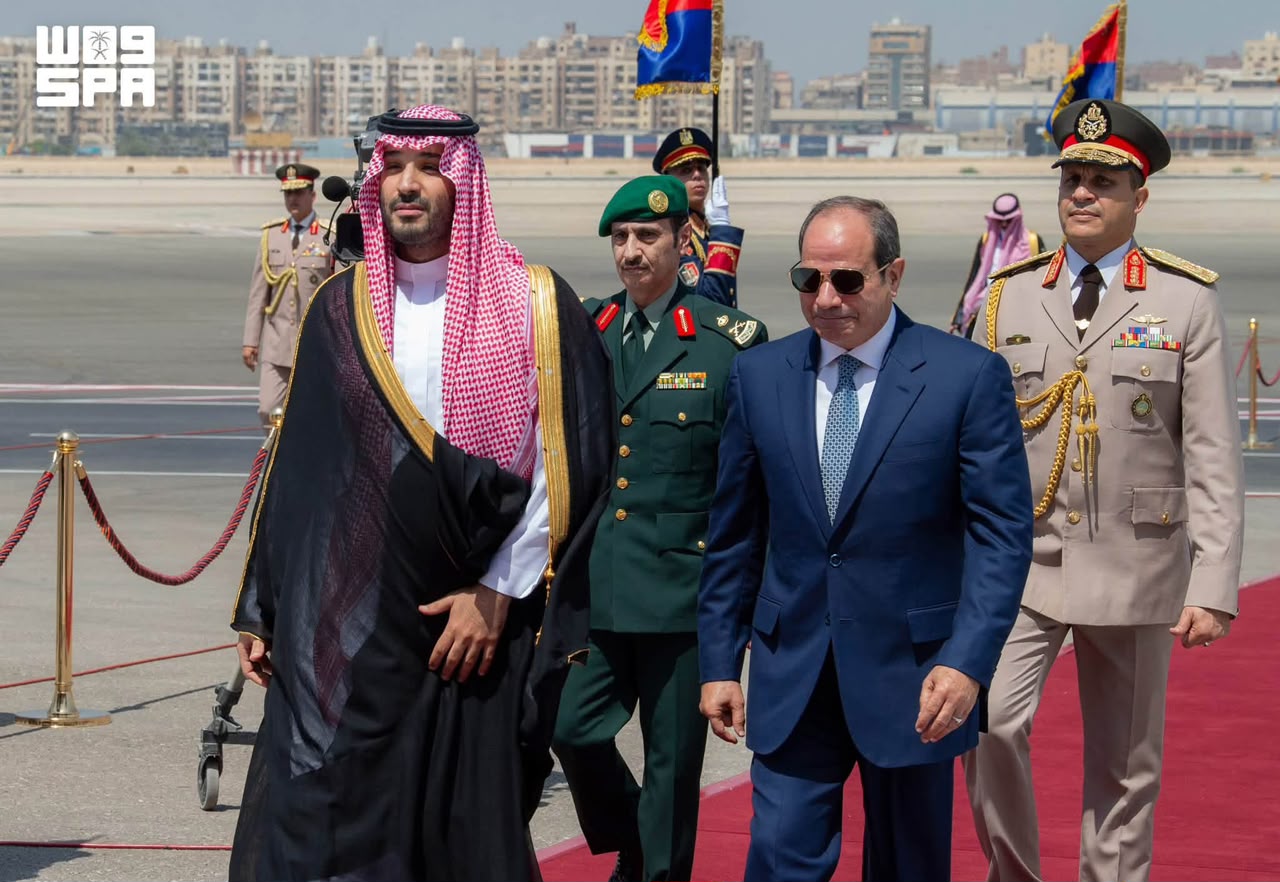
Saudi Crown Prince Mohammed bin Salman traveled to Cairo on September 15 to meet Egyptian President Abdel Fattah al-Sisi as Houthi attacks intensified across Saudi Arabia. Leaders MENA reported that missile and drone strikes on Abha, Taif, and Khamis Mushait injured 13 civilians and damaged homes, prompting emergency alerts in Jeddah, Yanbu, and other cities. The visit signals urgent coordination between the Arab world's two largest economies to counter regional threats to energy infrastructure and global shipping routes.
The attacks come as Saudi Arabia faces a security squeeze: an Iranian-backed drone strike disabled its 4-7 million barrel-per-day East-West Pipeline on September 10, while Houthi forces captured the Bab al-Mandeb Strait, choking off two major crude export routes. SG HeadTopics noted that the disruptions have pushed global oil prices above $108 per barrel. Crown Prince bin Salman is seeking regional and international backing after the US declined direct military intervention.
Houthis Strike Military Targets in Escalating Offensive
Between September 14 and 15, Yemen's Houthi rebels fired dozens of ballistic missiles and drones at King Khalid Air Base in Khamis Mushait and civilian areas in Abha and Taif. Newsy Today reported that the coalition responded with over 300 airstrikes in the preceding five days. The Houthis claimed the assault was retaliation for Saudi bombing campaigns and vowed further escalation: Leaders MENA quoted Hezam al-Assad from the Houthi Political Bureau saying the ''Yemeni response will continue and escalate as long as they persist in their aggression against our people.''
Saudi Oil Pipeline Knocked Offline as Export Routes Tighten
An Iranian-backed drone strike on September 10 forced Saudi Arabia to shut its 1,200-kilometer East-West Pipeline, which normally carries 4 to 7 million barrels per day to Red Sea terminals like Yanbu. Big News Network reported that repairs could take 3 to 6 weeks. Simultaneously, Houthi forces captured the Hanish and Mayyun islands, giving them control of the Bab al-Mandeb Strait. The dual disruption cuts off Saudi Arabia's two main export corridors and has begun rippling through global energy markets.
Energy analysts warn that the squeeze threatens the Suez Canal's revenue stream if shippers reroute around Africa to avoid the Bab al-Mandeb choke point. SG HeadTopics stated that Brent crude surged past $108 per barrel and that European crude buyers were notified of delivery cancellations from Saudi suppliers. The pressure on oil supplies reinforces why Crown Prince bin Salman traveled immediately to Cairo to shore up regional alignment.
Cairo Pledges Support While Keeping Naval Options Guarded
President al-Sisi condemned the Houthi attacks and reaffirmed Egypt's ''unwavering'' support for Saudi security, emphasizing a shared commitment to protect freedom of navigation in the Red Sea. Leaders MENA reported that the two leaders pledged to strengthen coordination and pursue a sustainable political solution to the Yemen crisis. However, analysts note that Egypt remains reluctant to commit ground or naval forces directly into Yemen, instead using its diplomatic weight to mobilize broader Arab backing.
The Cairo visit also advanced economic ties beyond security. Newsy Today highlighted that bilateral merchandise trade reached $7.1 billion in the first half of 2026, up 20% year-over-year, with Egyptian exports to Saudi Arabia hitting $1.8 billion. The leaders discussed a planned joint satellite, expanded infrastructure projects, and trade integration. Saudi investments in Egypt total roughly $25 billion, while Egyptian remittances from Saudi Arabia reached $12 billion in fiscal 2024/25—nearly 77% of all remittances Egypt received from BRICS nations.
Broader Alliances Struggle to Operationalize Under Strain
Saudi Arabia signed the Mecca Joint Defense Agreement with Turkey and Pakistan in August, but neither ally has yet deployed military assets under the treaty. Big News Network reported that Crown Prince bin Salman directly requested US military intervention from President Donald Trump, a request the US declined. CENTCOM Commander Admiral Brad Cooper held security consultations in Jeddah before the Cairo summit, signaling US engagement even without direct strikes.
Experts say the current crisis tests whether regional defense pacts can move beyond symbolic pledges to operational force projection. Leaders MENA noted that Saudi Arabia's coordination with Egypt—bolstered by decades of bilateral agreements covering economic corridors, customs, and labor mobility—may prove more effective than newer defense compacts. The Cairo talks underscore that diplomatic and economic alignment can amplify pressure on shared threats to energy security and maritime commerce.
Sentiment
Mostly NegativeNEGATIVENEUTRALPOSITIVE
Publishers
43
Articles
155
Reach
198
A
AnonymousAuthor


