Vande Mataram Legal Challenge
Karnataka High Court Faces PIL Challenging New Vande Mataram Order
Anonymous
Key Points
1
The PIL was filed by advocate Girish Bharadwaj, through advocate Angad Kamath, and was expected to be mentioned for urgent listing before the Karnataka High Court.
2
The petitioner argues that because “National Song” is absent from the State and Concurrent Lists, legislative authority lies exclusively with Parliament under Entry 97 of the Union List read with Article 248; the plea also invokes Articles 256 and 257(1).
3
The petition specifically challenges the legality of the Cabinet process, alleging that the September 3 decision arose from an “Informal Discussion” without a Cabinet Note or Law Department advice, contrary to the Transaction of Business Rules, 1977.
4
The plea claims the restriction conflicts with the Prevention of Insults to National Honour (Amendment) Act, 2026, which it says extends statutory protection to the National Song.
5
The BJP’s statewide mobilisation follows its recently completed 10-day Ballari Chalo march from Raichur to Ballari; BJP state president B.Y. Vijayendra described Vande Mataram as a song that “ignited the spirit of the freedom struggle among crores of Indians.”
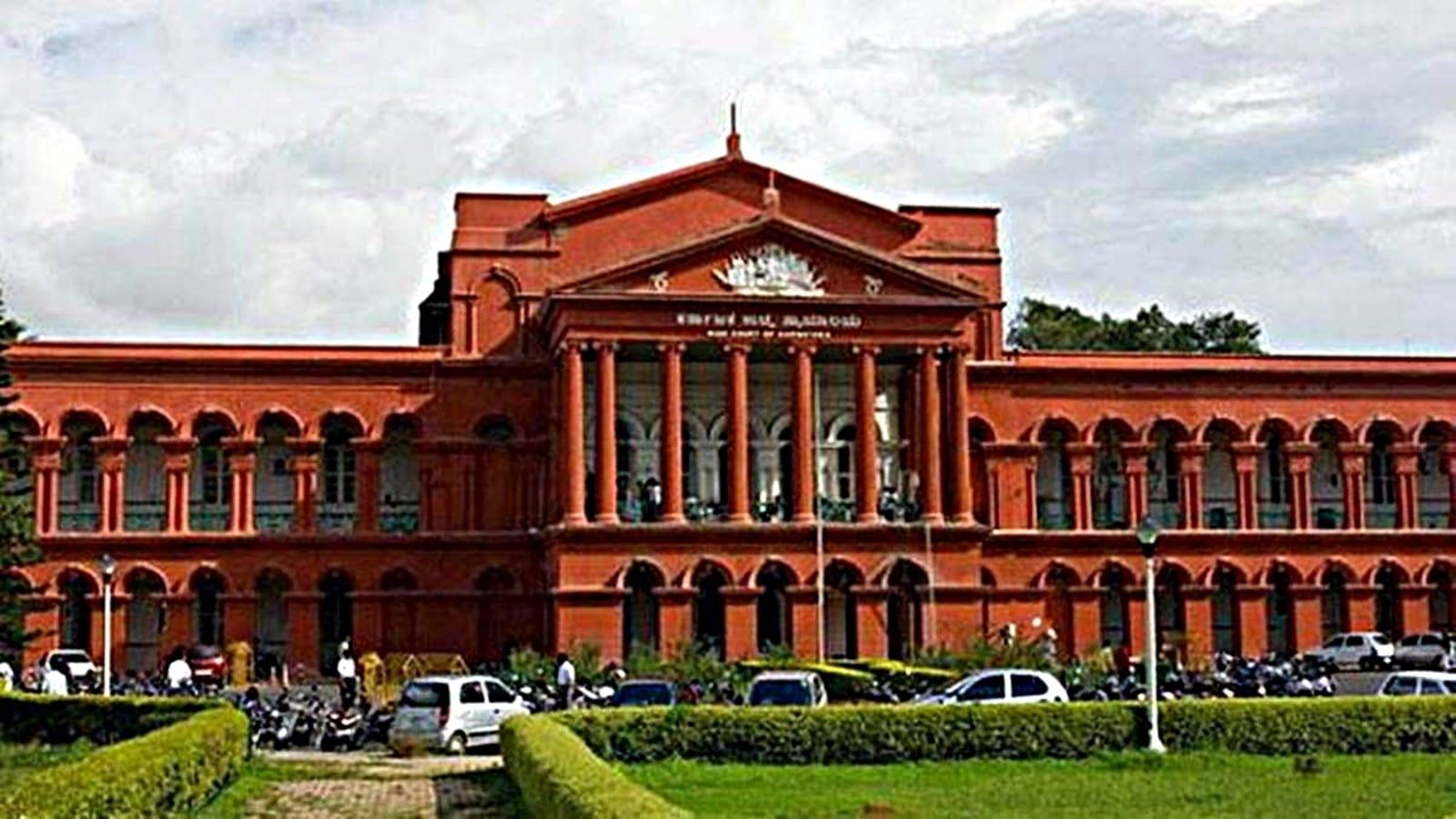
A legal challenge has reached the Karnataka High Court over the state government's September 8 order limiting "Vande Mataram" to just two stanzas at government events Economic Times. The restriction applies to all occasions except those attended by the President, Vice-President, Prime Minister, or Governor. Advocate Girish Bharadwaj filed the public interest petition, arguing the order violates constitutional law and a federal directive requiring all six stanzas when performed with the national anthem Indian Express.
The Court Challenge Targets State Authority
The petition claims the state lacks legal power to regulate the national song. Verdictum reports the plea invokes Article 248 and the Union List, arguing Parliament alone controls "National Song" matters. The petitioner alleges the September 3 Cabinet decision violated procedural rules—no formal Cabinet Note or Law Department review occurred, breaching the Transaction of Business Rules, 1977 Bar and Bench.
Congress Resolution Sparked the Two-Stanza Limit
The Karnataka Congress government based the order on a 1937 Congress Working Committee resolution tied to freedom-movement leaders. The decision permits full six-stanza singing only at events where top constitutional officials attend. The Hindu noted that Dakshina Kannada Minister U.T. Khader defended the two-stanza singing as aligned with the state directive The Hindu.
The petitioner claims this conflicts with a Union Ministry of Home Affairs directive requiring all six stanzas when the song and national anthem are performed together. The plea also invokes the Prevention of Insults to National Honour (Amendment) Act, 2026, which extends statutory protection to the national song Bar and Bench.
BJP Launches Statewide Campaign Against the Order
The BJP began a five-day statewide "padayatra" on September 15 across all 224 Assembly constituencies. Party workers and citizens plan to submit memoranda to local officials demanding the order's withdrawal. This follows a recent 10-day "Ballari Chalo" march from Raichur to Ballari Bar and Bench.
BJP state president B.Y. Vijayendra criticized Chief Minister D.K. Shivakumar, claiming without evidence that the restriction appeases minorities and diminishes the national song's significance. Vijayendra called "Vande Mataram" a song that "ignited the spirit of the freedom struggle among crores of Indians." The high court has not yet scheduled a hearing date Bar and Bench.
Sentiment
Mostly NegativeNEGATIVENEUTRALPOSITIVE
Publishers
17
Articles
13
Reach
30
A
AnonymousAuthor