Sweeping ICC Sanctions
Trump administration prepares sweeping sanctions against the International Criminal Court amid escalating disputes.
Anonymous
Key Points
1
Any entity-wide sanctions would require U.S. citizens and companies to obtain a license from the Treasury Department’s Office of Foreign Assets Control (OFAC) before providing the ICC with funds, goods or services. Banks could also over-comply because of their dependence on access to the U.S. financial system.
2
The sanctions could interfere with the ICC’s purchase of IT services and insurance, hiring of investigators and routine financial transactions, potentially affecting the court’s day-to-day operations beyond its ability to access dollar payments.
3
Existing U.S. measures have already targeted a broad group of ICC personnel, including former chief prosecutor Karim Khan, ICC President Tomoko Akane, judges, deputy prosecutors and the prosecutor who led the case against Israeli officials.
4
Rubio described the ICC’s jurisdictional claims as an “intolerable threat to U.S. sovereignty,” saying it could prosecute or imprison American servicemen and officials and that the United States had never accepted the court’s authority over Americans.
5
The administration’s position has highlighted an apparent shift in Rubio’s earlier stance: as a senator in 2022, he co-sponsored a resolution supporting an ICC investigation into alleged war crimes in Ukraine committed by Russian forces.
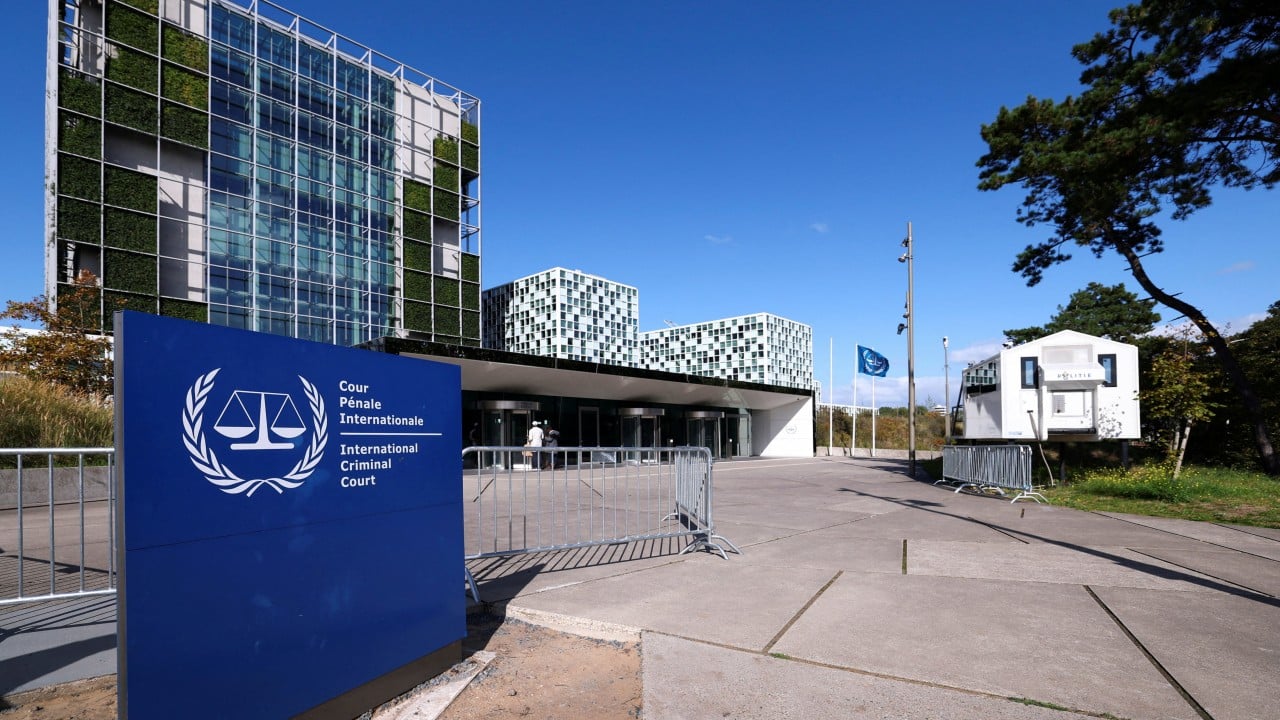
The Trump administration is preparing sweeping sanctions against the International Criminal Court that could cut the Hague-based tribunal off from the U.S. dollar system, South China Morning Post reported. The measures would bar the ICC from conducting dollar transactions and prohibit U.S. citizens and companies from providing it funds, goods, or services without Treasury Department approval. An announcement could come during or shortly after the United Nations General Assembly.
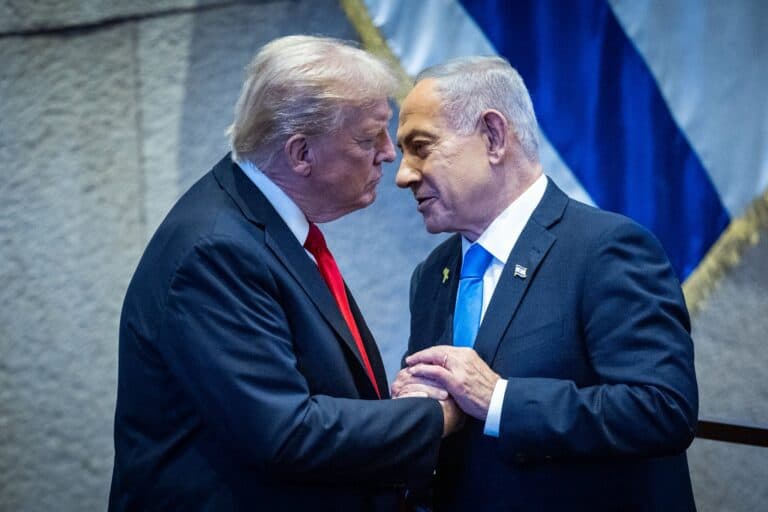
The sanctions would expand existing penalties on individual ICC judges and prosecutors and follow the court's arrest warrants for Israeli Prime Minister Benjamin Netanyahu and former Defense Minister Yoav Gallant. Secretary of State Marco Rubio has called the ICC an "intolerable threat to U.S. sovereignty," arguing it could prosecute American servicemen and officials. The United States and Israel are not parties to the Rome Statute that established the court.
How the Sanctions Would Cripple the Court's Operations
Entity-wide sanctions would require anyone providing the ICC with funds, goods, or services to first obtain a license from the Treasury Department's Office of Foreign Assets Control, or OFAC. Banks could over-comply because they depend on access to the U.S. financial system, effectively freezing the court out of normal banking. This would disrupt insurance purchases, technology contracts, hiring investigators, and routine financial operations worldwide.
The sanctions would take effect after a six- to seven-month grace period, though communications services may be exempt. The impact could extend far beyond blocking dollar transactions. Insurance companies, IT vendors, and banking partners may refuse to work with the ICC due to compliance risks, crippling the court's day-to-day functions and investigative capacity.
Years of U.S. Pressure on Individual ICC Officials
The Trump administration did not invent sanctions on the ICC from scratch. Previous U.S. measures already targeted a broad group of ICC personnel, including former chief prosecutor Karim Khan, ICC President Tomoko Akane, judges, deputy prosecutors, and the prosecutor who led the case against Israeli officials. These individual sanctions set the template for the broader institutional measures now being prepared.
The Netanyahu arrest warrant in 2024 accelerated the administration's push to dismantle the court. Rubio argued that the ICC's "jurisdictional claims" represent an "intolerable threat," and that the United States had never accepted the court's authority over Americans. The new sanctions would institutionalize this rejection on a global scale.
Europe Pledges to Protect the Court—But Questions Remain
European countries and other ICC supporters have pledged to protect the tribunal against U.S. sanctions. However, the practical response remains uncertain. European banks and companies face exposure to the U.S. financial system, creating pressure to comply with OFAC restrictions even without formal order.
Rubio's hardline position marks a shift from his earlier stance. As a senator in 2022, he co-sponsored a resolution supporting an ICC investigation into alleged war crimes in Ukraine committed by Russian forces. The current strategy prioritizes protecting Israel and the U.S. from ICC jurisdiction over broader international accountability.
Sentiment
Mostly NegativeNEGATIVENEUTRALPOSITIVE
Publishers
81
Articles
369
Reach
450
A
AnonymousAuthor