Monument Sparks Diplomatic Tension
Japan urges Russia to remove a new World War II monument featuring offensive imagery.
Anonymous
Key Points
1
The monument is located in Muravyov-Amursky Regional Park in Khabarovsk and stands about 15 meters tall, according to one report.
2
The monument is described as commemorating the Soviet Union’s victory over Japan in World War II, adding historical context to Japan’s objection to the imagery.
3
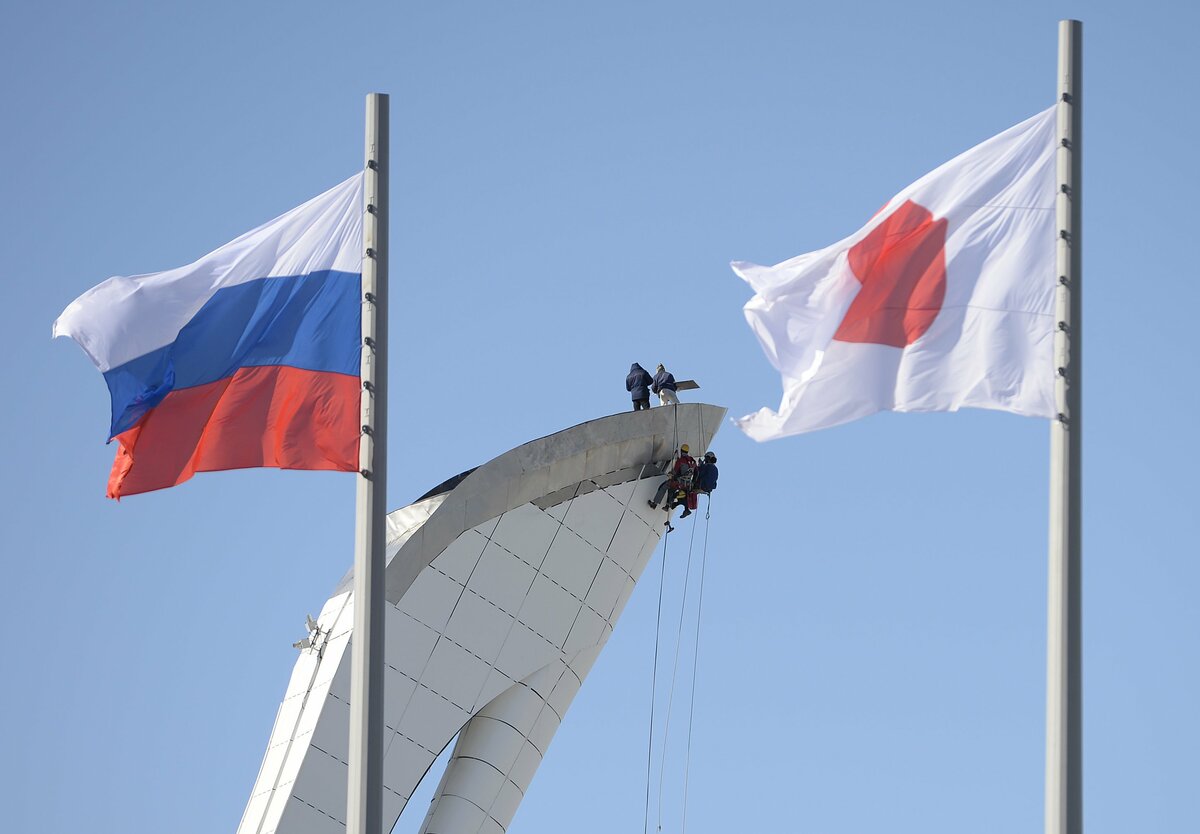
The chrysanthemum emblem is associated not only with Japan’s state identity but also with the imperial family; one report notes that its petals evoke rays of the sun and that the imperial family has a divine status in Shinto tradition.
4
Russian President Vladimir Putin reportedly said the worsening of relations was “entirely Japan’s fault,” while also expressing a willingness to hold peace talks over the disputed islands, known in Japan as the Northern Territories and in Russia as the Southern Kurils.
Japan's Prime Minister Sanae Takaichi has called the imagery 'completely unacceptable.' Russia unveiled a 15-meter monument in Khabarovsk that shows a Soviet soldier destroying a stone marker bearing Japan's sacred chrysanthemum crest. Kyodo News reports Tokyo formally demanded Russia halt and remove the statue, but Moscow has not responded.
The monument celebrates the Soviet Union's 1945 victory over Japan in World War II. Foreign Minister Toshimitsu Motegi said the imagery offends Japanese national pride and harms bilateral ties. The dispute deepens an already strained relationship following Putin's recent visit to disputed islands both nations claim.
A Sacred Symbol Defaced in Stone
The chrysanthemum is far more than Japan's national emblem. Kyodo News notes it represents imperial authority and divine status in Shinto tradition. The flower's petals evoke the sun's rays—a core symbol of Japan's state identity. Depicting it destroyed sends a deliberate political message.
Located in Muravyov-Amursky Regional Park, the monument towers 15 meters high. A stone marker with the crest sits beneath a sculpted Soviet soldier's boots, literally crushing Japan's most revered symbol. Trending on Weibo reports Russia has already refused Japan's removal demand.
Moscow Blames Tokyo as Cold War Tensions Resurface
Russian President Vladimir Putin dismissed Japan's complaints, saying the worsening ties are "entirely Japan's fault." Despite the hostile rhetoric, Putin expressed willingness to hold peace talks over the disputed islands. Japan calls them the Northern Territories; Russia names them the Southern Kurils.
The monument's timing is deliberate. It commemorates the Soviet Union's 1945 military victory and reasserts Russia's historical dominance in the Far East. For Japan, it represents Moscow's contempt for diplomatic norms and respect for national symbols.
Japan's Formal Protest Falls on Deaf Ears
Tokyo escalated its response by filing a formal diplomatic request to halt construction and remove the statue. No Russian response has come. Silence itself is a message—Moscow appears uninterested in de-escalating tensions or appeasing Japan's cultural concerns.
The standoff reflects how far Japan-Russia relations have deteriorated. Cultural provocations and territorial disputes now dominate an increasingly hostile bilateral relationship. Without a breakthrough in island negotiations, expect more symbolic confrontations.
Sentiment
Mostly NegativeNEGATIVENEUTRALPOSITIVE
Publishers
14
Articles
7
Reach
21
Topics
A
AnonymousAuthor